Physical Address
304 North Cardinal St.
Dorchester Center, MA 02124
Physical Address
304 North Cardinal St.
Dorchester Center, MA 02124

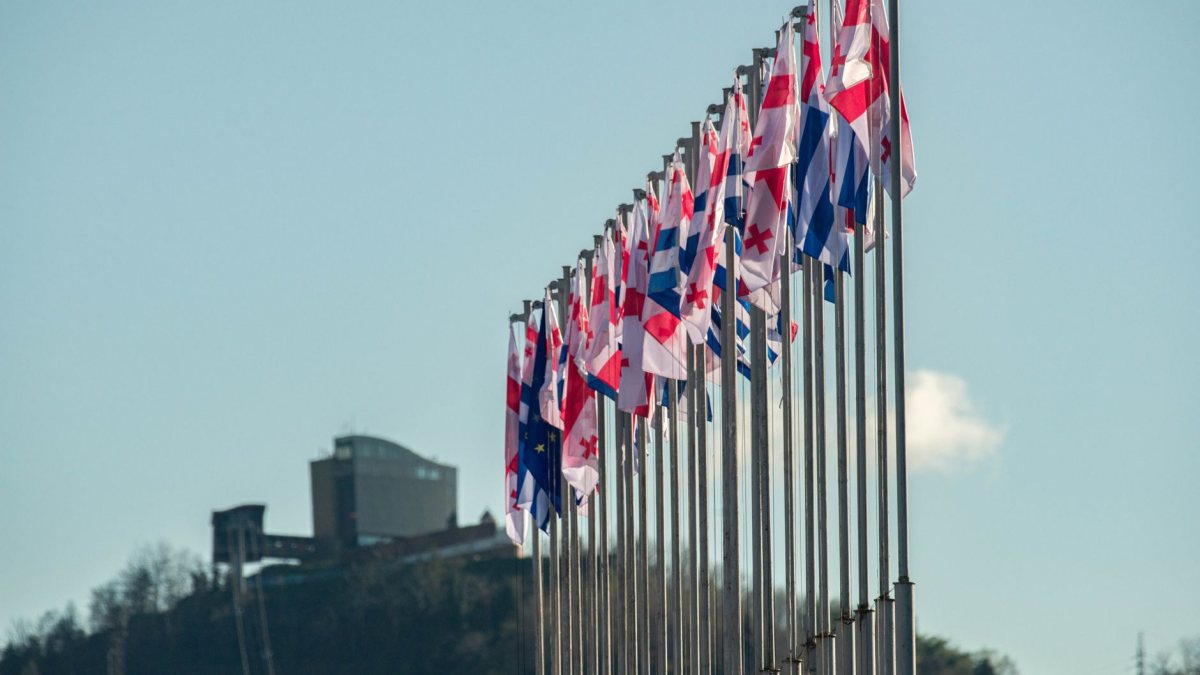
Chinese President Xi Jinping is scheduled to visit India for a multilateral summit, offering a platform to address protracted border tensions and trade imbalances.
Chinese President Xi Jinping is preparing to travel to India to attend a major multilateral gathering, marking his first journey to the country in several years. The planned trip represents a notable diplomatic development for the two Asian neighbours, whose high-level bilateral exchanges had sharply diminished in the wake of prolonged military standoffs along the Line of Actual Control.
While the visit takes place under the framework of multilateral cooperation, diplomatic circles in New Delhi and Beijing view it as an opportunity to engage directly on pressing friction points. Discussions on the sidelines are anticipated to address ongoing boundary disengagement efforts, economic restrictions, and the broader path toward restoring normalcy between the world’s two most populous nations.
The upcoming visit marks the end of an extended interval during which direct top-level state interaction between India and China remained largely stalled. Following the informal summits in Wuhan and Mamallapuram between 2018 and 2019, relations experienced a severe downturn due to military confrontations in eastern Ladakh during 2020. That crisis effectively froze standard bilateral summits and led to a heavy militarisation of frontier areas.
In the intervening years, interactions between the leadership were confined largely to brief, impromptu encounters at third-country international events such as the G20 and BRICS summits. While both capitals maintained working-level diplomatic and military communication channels to avert direct clashes, the absence of comprehensive presidential-level engagement underscored the profound lack of strategic trust that had settled over the bilateral relationship.
The primary concern for New Delhi remains the situation along the disputed northern borders. India has consistently held that broader bilateral relations cannot function as normal until peace and tranquillity are restored along the Line of Actual Control. Progress has been made through multiple rounds of Corps Commander-level negotiations, but several friction zones have required persistent tactical management to prevent flare-ups.
Indian strategic planners are seeking credible commitments toward complete disengagement and subsequent de-escalation of troops and heavy equipment stationed in forward areas. For Beijing, the primary goal has often been to compartmentalise border disputes, urging New Delhi to allow trade, scientific exchanges, and international collaboration to advance without being tied entirely to boundary friction.
Despite deep diplomatic friction, commercial ties between India and China have continued to expand, reflecting deep-seated supply chain dependencies. India remains heavily reliant on Chinese imports for vital sectors, including active pharmaceutical ingredients, solar energy equipment, telecommunications components, and industrial machinery. This dynamic has driven the bilateral trade deficit to historic highs, raising sustained concerns in New Delhi.
The engagement unfolds amid a shifting global landscape characterised by geopolitical polarisation and regional security realignments. As members of both the BRICS group and the Shanghai Cooperation Organisation, India and China frequently share platforms that advocate for greater representation of developing nations in global governance institutions. However, their respective strategic outlooks often diverge on implementation and vision.
India has pursued a policy of multi-alignment, strengthening defence and economic partnerships with Western democracies while sustaining institutional engagements across the Global South. China, facing expanding technological restrictions and geopolitical competition from Western powers, appears keen to demonstrate that regional mechanisms in Asia remain functional despite internal rivalries.
President Xi Jinping last travelled to India in October 2019 for the second informal summit held at Mamallapuram in Tamil Nadu, prior to the onset of the 2020 border standoff.
Any easing of regulatory scrutiny or restoration of economic linkages is likely to be gradual and directly linked to observable de-escalation along the Line of Actual Control.
Sidebar discussions between Indian and Chinese leaders are expected to focus on border stabilization protocols, managing regional security, and addressing significant trade imbalances.
The planned visit by China’s top leadership offers a necessary diplomatic channel for open communication, but expectations of an immediate, comprehensive breakthrough remain tempered. Deep structural mistrust built over years of border militarisation and strategic rivalry cannot be resolved through a single diplomatic encounter.
Ultimately, the lasting impact of the trip will depend on whether both nations can translate top-level diplomatic dialogue into concrete, verifiable steps toward military de-escalation along their frontiers and a more sustainable, balanced framework for economic engagement.
Reference: This report was compiled from publicly reported information. Original coverage: The Hindu.
Photo: Павел Хлыстунов / Pexels




