Physical Address
304 North Cardinal St.
Dorchester Center, MA 02124
Physical Address
304 North Cardinal St.
Dorchester Center, MA 02124

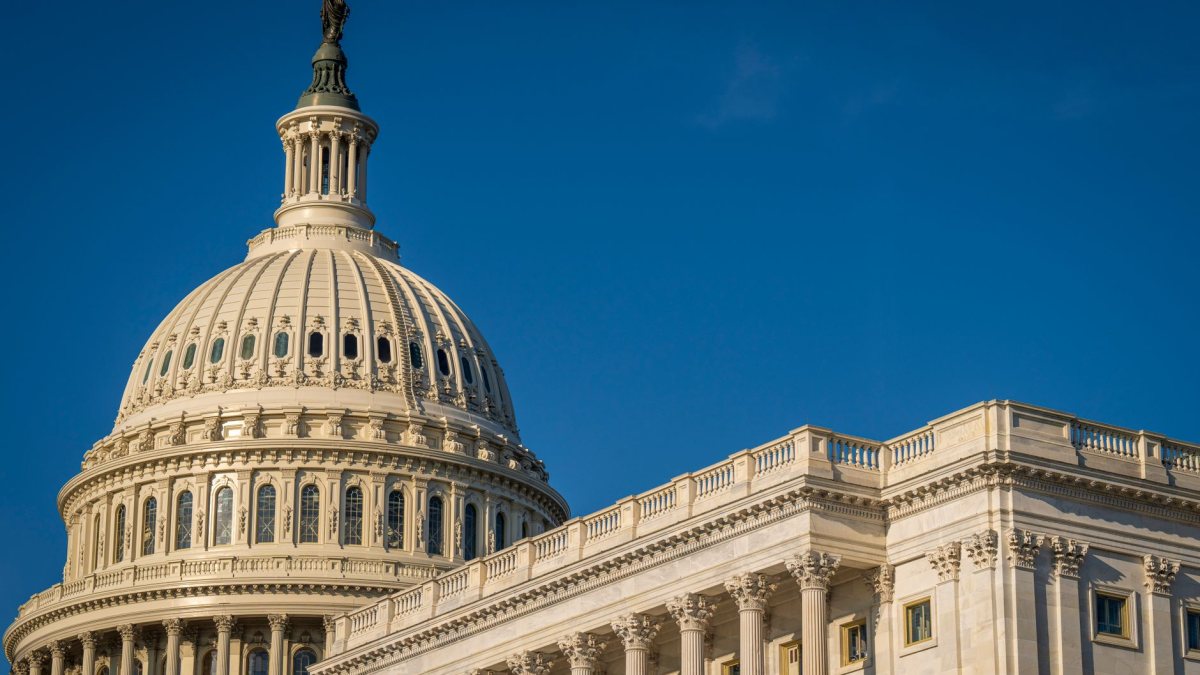
As veteran lawmakers remain in office into their nineties, debate continues over political longevity, experience, and the demographic shift in US government.
The United States Capitol has long valued institutional memory and seniority, but the advanced age of some of its most prominent leaders has once again brought political longevity into sharp focus. With several key lawmakers serving well past standard retirement age, discussions surrounding cognitive fitness, physical stamina, and legislative capacity are shaping conversations across Washington.
While senior officials frequently point to their extensive experience and active legislative dockets as assets, critics and reform advocates argue that an increasingly older leadership may not fully reflect the priorities or demographic realities of the modern electorate.
In the United States Senate and House of Representatives, tenure traditionally dictates influence. Senior lawmakers often chair vital committees, control legislative calendars, and hold substantial leverage over federal spending packages. This system structurally rewards long-term incumbency, creating strong incentives for politicians to seek reelection decade after decade.
Proponents of long-serving representatives argue that deep institutional knowledge is essential for navigating complex policy disputes, conducting rigorous executive branch oversight, and forging bipartisan agreements. In an environment often marked by partisan division, veterans of past negotiations can provide stability and continuity across successive presidential administrations.
Despite the advantages of tenure, public opinion polling consistently shows widespread concern regarding the average age of federal leadership. The median age of members in both chambers of Congress has trended upward over recent decades, outpacing the median age of the general population by a wide margin.
Several factors drive voter unease about an aging legislature:
The persistent debate over political longevity has renewed calls for structural changes, including mandatory retirement limits or strict term restrictions for federal lawmakers. However, implementing such measures faces steep constitutional obstacles.
The qualifications for serving in Congress are explicitly established by the US Constitution, which sets only minimum age requirements—25 years for the House and 30 years for the Senate—without any upper age ceiling. The Supreme Court previously ruled that states cannot independently impose congressional term limits, meaning any binding national reform would require a constitutional amendment. Such an effort demands two-thirds support in both chambers of Congress and ratification by three-fourths of the states, making formal institutional change improbable in the near term.
The situation in the United States contrasts with several other advanced democracies. Many judicial systems, civil service structures, and international legislative bodies mandate standard retirement ages, often ranging between 65 and 75, to ensure regular leadership transitions.
While standard parliamentary systems frequently see higher turnover through internal party mechanics or vote-of-no-confidence procedures, the American primary and general election system places the burden of succession entirely on voters and party donors, who frequently favor the high name recognition and fundraising advantages of established incumbents.
The US Constitution sets only minimum age thresholds: 25 years old for the House of Representatives and 30 years old for the Senate. There are no constitutional upper age limits or mandatory retirement provisions for federal elected officials.
Incumbent lawmakers benefit from widespread name recognition, established fundraising networks, and high-ranking committee positions that allow them to deliver funding and policy wins to their home states, making it difficult for primary or general election challengers to unseat them.
No. Past Supreme Court precedent indicates that altering the qualifications for congressional office requires a formal amendment to the US Constitution, a process that requires broad supermajority support at both federal and state levels.
The enduring presence of veteran officials in Congress reflects a political framework designed around seniority and incumbency advantages. As debates over leadership renewal persist, the tension between valuing institutional wisdom and encouraging generational change will remain a central theme in upcoming election cycles.
Reference: This report was compiled from publicly reported information. Original coverage: USA Today.
Photo: Mark Stebnicki / Pexels




