Physical Address
304 North Cardinal St.
Dorchester Center, MA 02124
Physical Address
304 North Cardinal St.
Dorchester Center, MA 02124

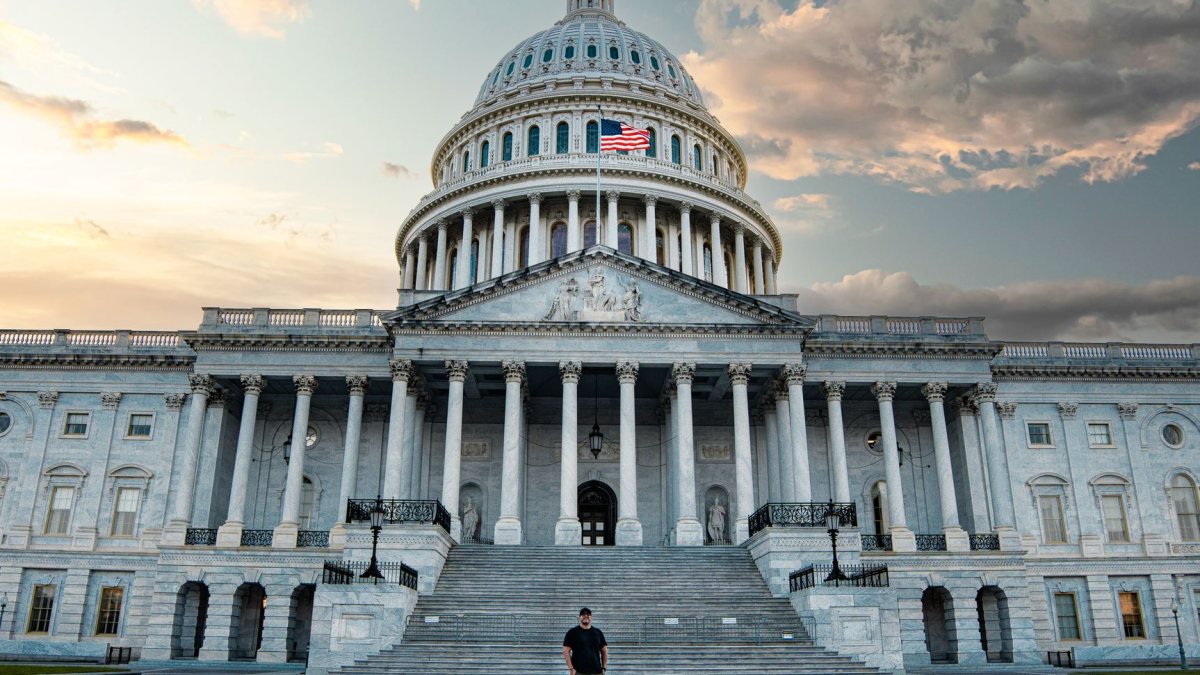
The administration has withdrawn its choice to lead ICE following mounting criticism and a stalled Senate confirmation process.
WASHINGTON — The White House has formally withdrawn the nomination of its choice to lead U.S. Immigration and Customs Enforcement, ending a drawn-out political battle over the agency’s top leadership post. The decision comes after weeks of growing bipartisan skepticism and procedural delays in the Senate, where the nominee faced intense scrutiny over background credentials and policy vision.
The move leaves the nation’s primary immigration enforcement agency without a Senate-confirmed director, a leadership vacuum that has persisted across multiple administrations. Administration officials signaled that a new candidate would be put forward in due course, though no timeline has been established for a replacement.
The nomination had been bogged down in the Senate Homeland Security and Governmental Affairs Committee for months. Lawmakers from both major parties expressed reservations regarding the candidate’s executive experience and readiness to oversee a federal agency with thousands of employees and a multi-billion-dollar annual budget.
While supporters had pointed to a long career in state-level law enforcement as strong qualification for the role, critics argued that managing a state police force does not automatically translate to directing a complex national security apparatus. Civil rights organizations and public policy groups had also raised concerns regarding past statements on enforcement practices, further complicating the path to confirmation in a closely divided chamber.
The withdrawal highlights a chronic operational challenge for Immigration and Customs Enforcement. The agency, created in the aftermath of the September 11 attacks under the Department of Homeland Security, has frequently operated under acting directors rather than Senate-confirmed leaders.
Securing Senate confirmation for immigration officials has become extraordinarily difficult in recent years due to deep political polarization surrounding border security, interior enforcement, and asylum policies. Senate rules require a simple majority for confirmation, but procedural hurdles and political pushback often stall nominations before they reach a full floor vote.
Under the Federal Vacancies Reform Act, the president can designate temporary leadership when a Senate-confirmed position becomes open. However, this authority comes with strict time limits and qualifications regarding who may serve in an acting capacity.
Typically, an acting head must be a senior official within the same department or a high-ranking officer from another agency. When a formal nomination is officially submitted to the Senate, the clock governing how long an acting official can remain in place is temporarily paused. Now that this nomination has been formally withdrawn, the legal deadline for establishing temporary leadership resumes, placing pressure on the White House to act swiftly.
The process of selecting and vetting a new candidate typically takes several weeks to several months. The administration’s personnel team must identify potential contenders, conduct thorough background checks, and gauge early support among key Senate committee members before issuing a public announcement.
Once a new name is submitted, the Senate Homeland Security Committee will hold public hearings, examine the nominee’s professional background, and vote on whether to report the nomination to the full Senate. Given the current political climate, any upcoming nominee is expected to face rigorous questioning regarding border enforcement strategies and detention facility standards.
The White House pulled the nomination after it became clear the candidate lacked the necessary votes to pass through the Senate committee, largely due to concerns over credentials and policy background.
An acting director, typically a senior career official or designated political appointee within the Department of Homeland Security, manages daily operations under the Federal Vacancies Reform Act.
The agency has experienced extended periods without a Senate-confirmed leader across multiple presidential terms, relying heavily on temporary leadership to carry out its mission.
The decision to withdraw the nomination reflects the severe political friction surrounding federal immigration policy and Senate oversight. By pulling the candidate before a formal committee vote, the White House avoids a potential legislative defeat while clearing the board to search for a nominee capable of securing majority support in a divided Congress.
Reference: This report was compiled from publicly reported information. Original coverage: Politico.
Photo: Edgar Arroyo / Pexels




