Physical Address
304 North Cardinal St.
Dorchester Center, MA 02124
Physical Address
304 North Cardinal St.
Dorchester Center, MA 02124

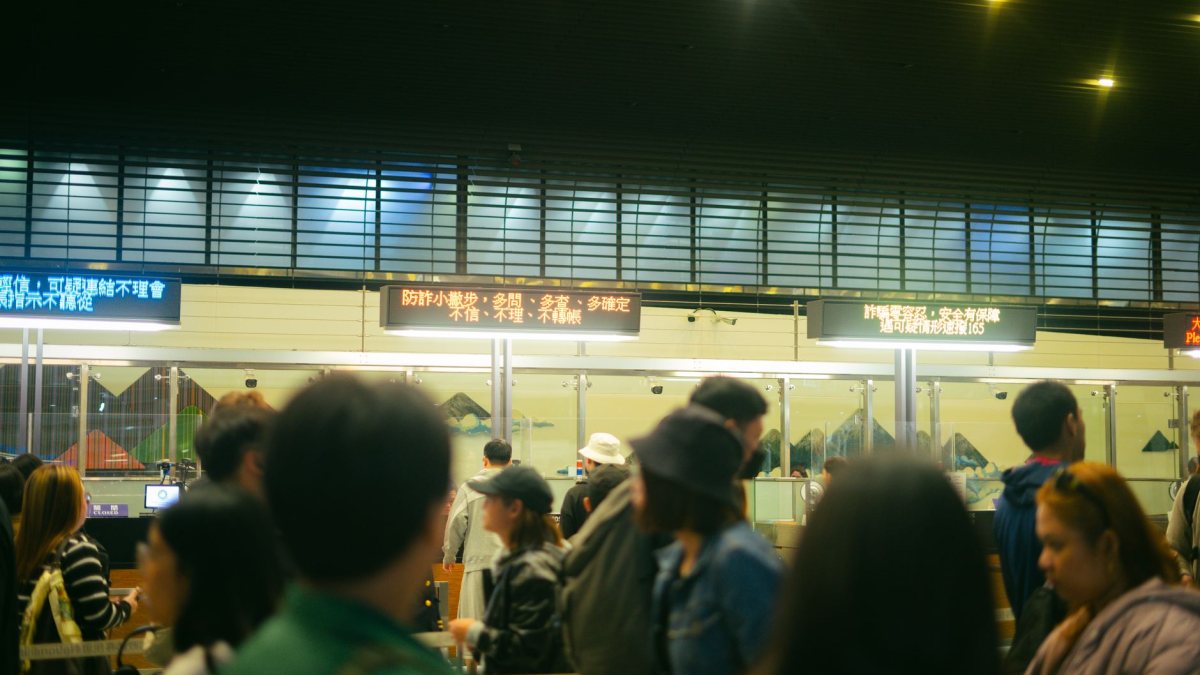
Japanese authorities have detained American travelers suspected of smuggling illicit narcotics into the country, highlighting strict border control enforcement.
Japanese authorities have detained American nationals arriving at a major international gateway on suspicion of attempting to smuggle illicit narcotics into the country. The seized contraband, reportedly valued at well over one hundred million yen on the domestic illicit market, was detected during standard customs screening procedures.
According to investigative sources, at least one of the individuals claimed to have agreed to transport the luggage in exchange for an all-expenses-paid holiday to Japan. The case highlights ongoing efforts by organized networks to recruit casual travelers as unwitting or reckless couriers to bypass Japan’s strict border security protocols.
Customs officers routinely monitor inbound passenger flows using risk-assessment profiling, x-ray baggage scanners, and trained detection dogs. When the travelers arrived, anomalies in their luggage prompted secondary physical inspections, which uncovered substantial quantities of concealed controlled substances.
Japan Customs works in direct coordination with the National Police Agency when contraband crosses international checkpoints. Once an illicit package is identified, customs officers issue an immediate interdiction, transferring custody of both the suspects and the narcotics to police investigators for formal arrest and questioning.
Transnational crime syndicates frequently target young or financially vulnerable individuals abroad via social media platforms, dating applications, or word-of-mouth acquaintances. Recruits are often promised complimentary flights, luxury accommodations, and spending money in exchange for carrying sealed packages, designer goods, or locked suitcases across borders.
Investigators point out common features of these recruitment operations:
Japan maintains some of the most stringent anti-drug statutes among developed nations. The legal system draws no distinction between professional cartel operatives and casual travelers when contraband is physically transported across the border. Under the Cannabis Control Act, the Narcotics and Psychotropics Control Act, and the Stimulants Control Act, smuggling illicit substances with the intent to distribute carries heavy penalties.
Suspects arrested on smuggling charges face prolonged pre-indictment detention, which can extend up to 23 days under judicial warrant while prosecutors evaluate the case. Furthermore, Japanese courts rarely accept claims of ignorance as a complete legal defense. If prosecutors can demonstrate willful blindness—meaning the carrier had reason to suspect the luggage contained illicit items and failed to verify it—convictions for intentional trafficking are routinely secured.
When foreign nationals are detained in Japan, the standard Vienna Convention protocols apply. The relevant foreign embassy or consulate is informed, and consular representatives are permitted to visit detainees to ensure access to legal counsel, verify basic physical welfare, and facilitate communication with family members abroad.
However, foreign diplomatic missions have strictly limited authority. Embassies cannot intervene in judicial proceedings, secure early release, provide legal advice, or seek exemptions from Japanese statutory penalties. Overseas travelers facing smuggling indictments must rely on defense attorneys admitted to practice within the Japanese bar association.
Under Japanese jurisprudence, proving complete ignorance is exceptionally difficult if a person knowingly transported luggage given to them by a third party. The court evaluates whether a reasonable person should have recognized the suspicious nature of the transaction.
Importing commercial quantities of illicit narcotics carrying significant street value typically results in multi-year prison sentences with hard labor, accompanied by substantial monetary fines, followed by mandatory deportation upon sentence completion.
Traffickers often direct couriers to leave suitcases in standard tourist hotels or public coin lockers around major transit hubs, allowing local distributors to collect the shipment without exposing the primary ringleaders to border checkpoints.
This incident serves as a stark warning to international tourists considering unusual travel arrangements. Offers of complimentary overseas vacations contingent on transporting sealed luggage inevitably carry extreme legal risk.
With Japanese authorities actively upgrading screening technologies and intelligence-sharing capabilities, travelers attempting to enter the country with illicit narcotics face almost certain detection, prolonged detention, and severe legal consequences under Japanese law.
Reference: This report was compiled from publicly reported information. Original coverage: CBS News.
Photo: Kenneth Surillo / Pexels




