Physical Address
304 North Cardinal St.
Dorchester Center, MA 02124
Physical Address
304 North Cardinal St.
Dorchester Center, MA 02124

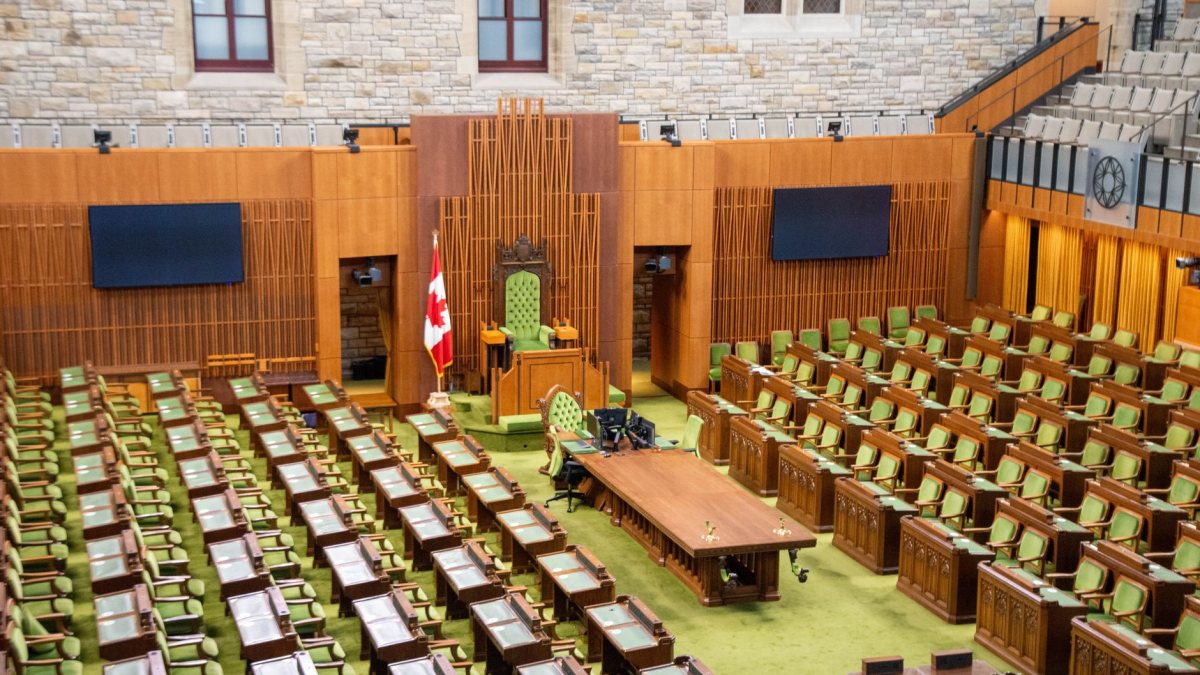
A prominent US politician has raised concerns about Canada building closer economic bonds with the European Union, warning of potential friction with American trade interests.
Tensions surrounding North American trade dynamics have resurfaced as an influential United States lawmaker expressed reservations regarding Canada’s efforts to forge deeper economic and political bonds with the European Union. The comments highlight the delicate balancing act Ottawa faces while managing its most vital bilateral relationship alongside international diplomatic initiatives.
As Canadian leadership explores enhanced collaboration across the Atlantic, political figures in Washington are monitoring the situation closely. The development underscores growing sensitivity around hemispheric commerce, supply chain alignment, and how traditional alliances adjust to shifting global trade patterns.
The latest friction stems from discussions between Canadian representatives and European officials regarding structured cooperation. Proposals under consideration include closer regulatory alignment, expanded access to strategic sector markets, and potentially unique diplomatic arrangements that would bring Ottawa into closer coordination with the 27-nation bloc.
However, lawmakers in the United States have voiced apprehension that such integration could conflict with existing continental economic agreements. Concerns primarily focus on standardizing trade rules, agricultural protections, and industrial policy, where European and North American approaches frequently diverge.
Canada and the United States share one of the world’s largest and most integrated economic partnerships. Billions of dollars in goods and services cross the border daily, supported by trilateral trade frameworks and deeply interconnected supply chains in key sectors such as automotive manufacturing, energy, and technology.
Because of this economic integration, decisions made in Ottawa regarding third-party trade partners invariably carry implications for domestic industries south of the border. Key areas where trans-Atlantic alignment might create friction include:
Despite diplomatic cautions from Washington, domestic survey data indicates substantial public support within Canada for expanding trade relationships beyond traditional borders. Many Canadians view stronger ties with European partners as a prudent step toward economic diversification, particularly during periods of political unpredictability or rising protectionism in the United States.
At the same time, policy analysts emphasize that European options cannot easily replace the scale of North American commerce. While European markets present significant opportunities for Canadian exporters, logistical proximity and established infrastructure mean the US market remains paramount for national prosperity.
Navigating these overlapping interests requires careful diplomatic maneuvering from Canadian officials. Engaging more deeply with European institutions offers strategic advantages in global forums, particularly on international security, climate initiatives, and multi-nation trade policy.
Nevertheless, maintaining seamless cross-border activity with the United States remains an essential priority for federal policymakers. Observers note that Ottawa routinely seeks to frame trans-Atlantic cooperation as complementary to, rather than a replacement for, continental partnerships.
In similar diplomatic contexts, formal warnings from US lawmakers often signal upcoming discussions during routine bilateral consultations or committee hearings. Official dialogue typically focuses on ensuring that any new international agreements adhere strictly to existing regional commitments, such as the Canada-United States-Mexico Agreement (CUSMA).
Further announcements regarding trans-Atlantic cooperation initiatives are expected following scheduled diplomatic summits, where officials will aim to clarify the scope of proposed arrangements to reassure North American stakeholders.
US lawmakers monitor foreign trade deals to ensure they do not create competitive disadvantages for American businesses or undermine joint North American regulatory standards and economic integration.
Yes, Canada and the EU operate under the Comprehensive Economic and Trade Agreement (CETA), which significantly reduced tariffs and opened commercial access when it was provisionally applied in 2017.
While fundamental cross-border commerce continues under established frameworks, significant shifts in regulatory alignment or tariff structures could require adjustments to preserve seamless trade flows.
The pushback from Washington illustrates the complex geopolitical environment Canada must navigate as it seeks to diversify its international partnerships. While expanding economic ties with Europe offers clear strategic benefits and enjoys broad domestic support, maintaining harmony with the United States remains fundamental to the country’s economic baseline.
Reference: This report was compiled from publicly reported information. Original coverage: CBC.
Photo: Daniel Miller / Pexels




