Physical Address
304 North Cardinal St.
Dorchester Center, MA 02124
Physical Address
304 North Cardinal St.
Dorchester Center, MA 02124

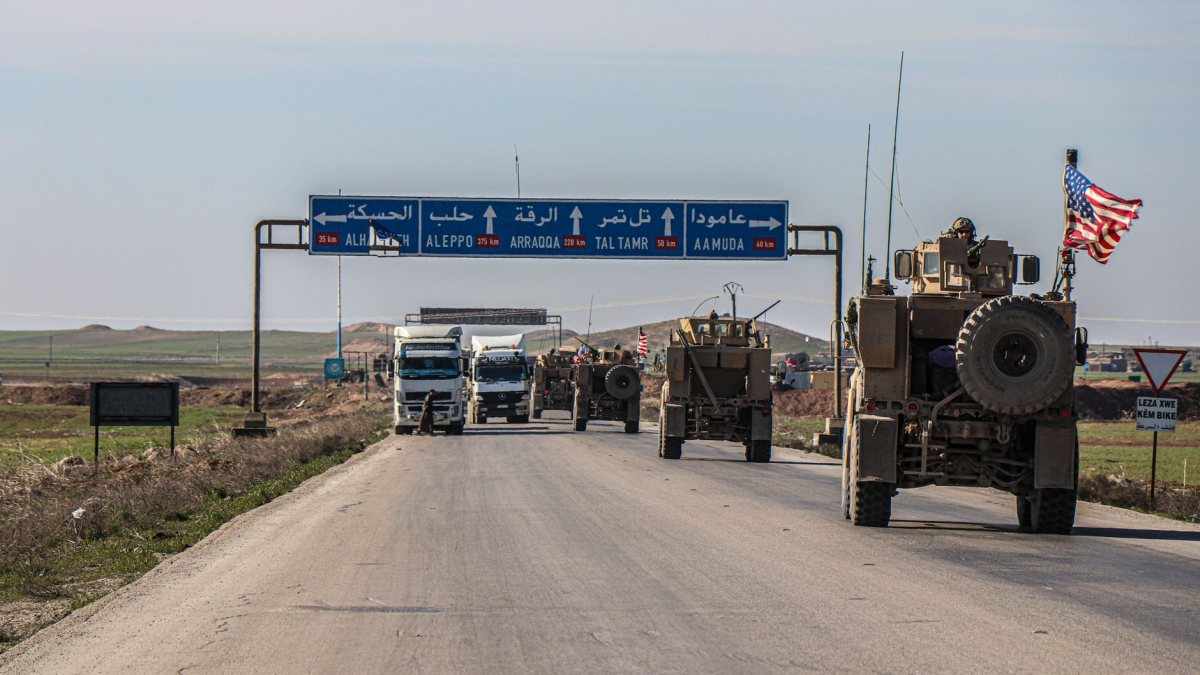
Pentagon reports highlight mounting military expenditures and infrastructure damage as global markets and Gulf economies face growing uncertainty.
Military operations involving the United States and Iran have surpassed massive financial thresholds, with recent pentagon assessments confirming billions of dollars spent in ongoing defense and combat engagements. The escalating figures reflect not only direct operational expenses but also extensive equipment repairs, intelligence deployment, and strategic repositioning across the Middle East.
As regional tension persists, the broader economic fallout is reverberating through international commerce, global energy corridors, and regional financial centers. For residents and businesses in the UAE and the wider Gulf region, the conflict underscores persistent strategic vulnerabilities and dynamic shifts in global trade routes.
Official reviews from defense watchdogs highlight unprecedented resource expenditures. Beyond routine operational outlays, significant capital has been funneled into high-cost defensive measures, particularly advanced interceptor missiles and aerial defense systems deployed to protect international shipping lanes and coalition facilities.
The financial burden extends beyond immediate combat expenditures. Repairing damaged installations, replacing destroyed aircraft, and maintaining heightened troop readiness have put severe pressure on military procurement pipelines. Financial analysts note that prolonged engagements of this scale typically force legislative adjustments and emergency appropriations, shifting government resources away from other domestic and international priorities.
The economic footprint of the conflict is increasingly visible in consumer markets and macroeconomic indicators globally. Disruptions to maritime routes, particularly near key strategic chokepoints, have led to increased freight rates, elevated insurance premiums for commercial vessels, and supply chain delays.
For import-reliant economies in the region, including the UAE, these logistics hurdles require proactive supply chain management to maintain price stability for essential commodities and construction materials.
Despite heavy military spending and continued tactical engagements, diplomatic channels remain subtly active. Statements from political leaders signal a potential openness to exploratory talks, provided strategic preconditions are met. Historical precedents suggest that prolonged financial strain and strategic stalemate often accelerate diplomatic engagements behind the scenes.
International mediators continue to engage key regional stakeholders, advocating for de-escalation protocols. However, analysts emphasize that bridging the gap between public political stances and formal diplomatic concessions remains a complex challenge, requiring sustained multilateral efforts.
Regional financial markets, including indices in Dubai and Abu Dhabi, continue to navigate heightened volatility driven by geopolitical developments. While robust institutional capital and strong economic fundamentals provide a cushion, investor sentiment remains sensitive to broader security dynamics.
Governments across the Arabian Gulf are reinforcing state readiness, focusing on defensive capabilities, food security reserves, and diplomatic neutral ground. The UAE’s position as a global logistics hub highlights the vital importance of maintaining open sea lanes and stable airspace to support international trade continuity.
While local security in the UAE remains exceptionally high, indirect effects include minor price adjustments on imported goods, fluctuating travel routes, and broader market movements reflected in regional investment portfolios.
Modern air defense systems utilize highly sophisticated, precision-guided missiles that cost millions of dollars per unit. Intercepting high volumes of incoming projectiles quickly depletes existing inventories, requiring expensive, high-priority manufacturing runs.
Energy price stability depends heavily on the security of key maritime transit passages. Until tensions recede and shipping lanes operate without risk, crude oil and natural gas benchmarks will likely experience ongoing price swings.
The growing financial and material costs of the conflict highlight the profound challenges of sustained military engagements in highly interconnected regions. Beyond immediate tactical outcomes, the long-term impact centers on economic resilience, inflation control, and the stability of global supply chains.
For the UAE and regional allies, navigating this period requires a balance of strong defensive vigilance, diplomatic engagement, and proactive economic policy to protect trade infrastructure and ensure long-term stability.
Reference: This report was compiled from publicly reported information. Original coverage: CBS News.
Photo: Ivan Hassib / Pexels




