Physical Address
304 North Cardinal St.
Dorchester Center, MA 02124
Physical Address
304 North Cardinal St.
Dorchester Center, MA 02124

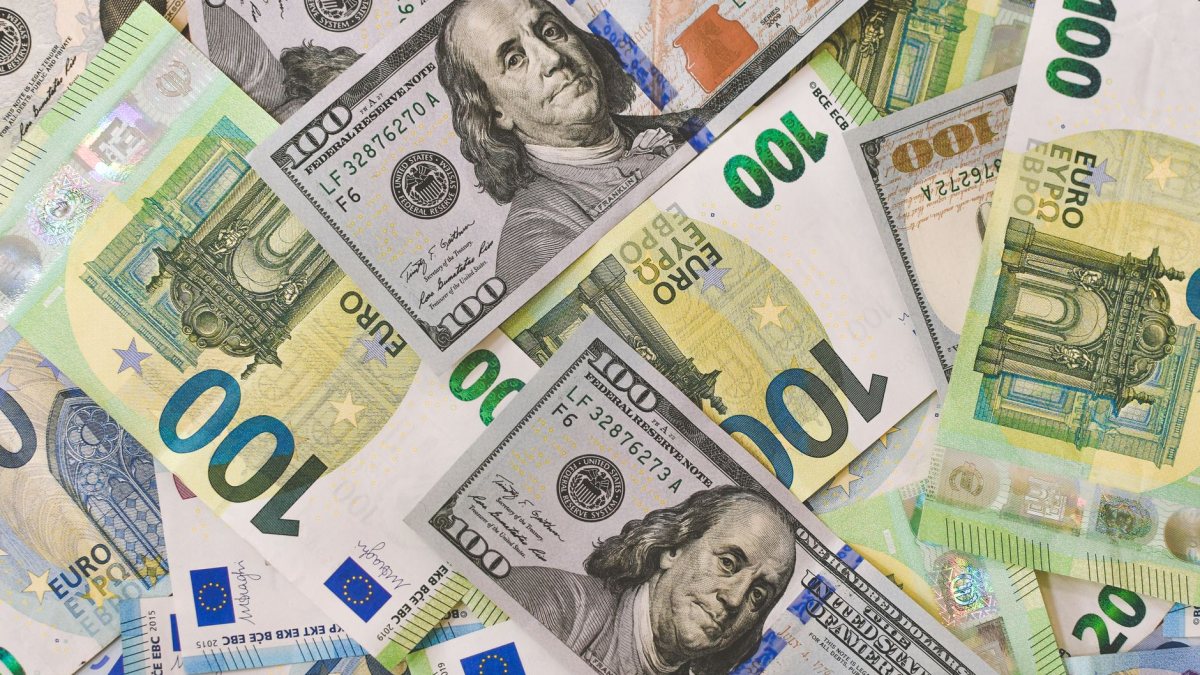
Legislation passed by the US House of Representatives threatens steep tariffs on nations continuing energy trade with Moscow, placing New Delhi under intense economic focus.
The United States House of Representatives has approved legislative measures aimed at tightening economic pressure on Moscow, proposing severe secondary sanctions and tariffs of up to 100 percent on third-party nations that maintain trade relations with Russia. The development places major consumers of Russian commodities, particularly India and China, directly in the crosshairs of Washington’s foreign policy apparatus.
While the proposal must still navigate the United States Senate and secure presidential assent before becoming law, the aggressive stance reflects growing impatience in Capitol Hill over the global evasion of primary trade restrictions. For Indian policymakers and market watchers, the legislative move signals a potential escalation in trade friction with Washington, testing New Delhi’s long-standing policy of strategic autonomy.
The core objective of the newly passed legislation is to starve the Russian administration of energy revenues by penalising third-party nations that purchase its crude oil, natural gas, and other vital exports. Under the terms of the bill, the US administration would be granted authority to levy penalty duties reaching up to 100 percent on goods imported into the American market from offending countries.
By targetting the supply chain at the purchasing level, American lawmakers hope to create a strong economic disincentive for foreign nations. The mechanism effectively forces third-party countries to choose between uninterrupted commercial access to the lucrative US domestic market and heavily discounted Russian energy shipments.
Since the onset of the conflict in Eastern Europe and subsequent Western embargoes, Indian state and private refiners have significantly stepped up purchases of Russian seaborne crude. By capitalizing on steep discounts, India successfully managed domestic fuel prices, curtailed inflation, and reduced its overall import bill, saving billions of dollars in foreign exchange reserves.
New Delhi has consistently defended its commercial choices, maintaining that its energy procurement strategy is dictated strictly by market dynamics and national self-interest. Indian diplomatic officials have reiterated that maintaining affordable domestic energy supplies is a fundamental sovereign obligation, particularly for a developing economy hosting over 1.4 billion citizens.
The legislative move has drawn sharp responses from affected international partners. Diplomatic envoys from major Asian economies have signaled that coercive trade tactics will not easily alter their domestic economic priorities. Meanwhile, Beijing has voiced strong opposition to what it terms unilateral overreach, rejecting the application of extra-territorial jurisdiction by American lawmakers.
Key areas of friction in global trade relations include:
Despite passing the House of Representatives, the proposal faces a complex journey before taking effect. The US Senate must consider its own version of the measure, where amendments could dilute the harsher trade provisions. Furthermore, executive branch officials often exercise caution regarding mandatory secondary tariffs, recognizing that severe levies could harm American importers and trigger retaliatory measures.
Washington faces a delicate geopolitical dilemma. Imposing punitive 100 percent tariffs on New Delhi risks damaging broader strategic partnerships in the Indo-Pacific region, where the US relies heavily on cooperation with India to counterbalance regional security challenges. Policymakers in Washington must weigh the immediate goal of weakening Russia’s economy against the long-term imperative of maintaining critical strategic alliances.
No. The measure has passed the US House of Representatives, but it must still be considered and passed by the US Senate, followed by the signature of the US President, before it can be enacted into law.
If fully implemented, a 100 percent tariff would double the cost of covered Indian goods entering the American market, making sectors like pharmaceuticals, textiles, engineering goods, and IT hardware significantly less competitive against other global suppliers.
Indian officials have consistently maintained that energy sourcing decisions will prioritize national interest and domestic price stability. Any shift in buying patterns would depend on global price differentials, shipping logistics, and the final language of any enforceable foreign legislation.
The passage of the sanctions bill by the US House highlights intensifying trade pressure on nations retaining economic ties with Moscow. While the legislative process is far from complete, the proposal highlights the precarious tightrope India must walk between securing its domestic energy needs and preserving its multi-billion dollar trade partnership with the United States.
Reference: This report was compiled from publicly reported information. Original coverage: The Hindu.
Photo: Ibrahim Boran / Pexels




