Physical Address
304 North Cardinal St.
Dorchester Center, MA 02124
Physical Address
304 North Cardinal St.
Dorchester Center, MA 02124

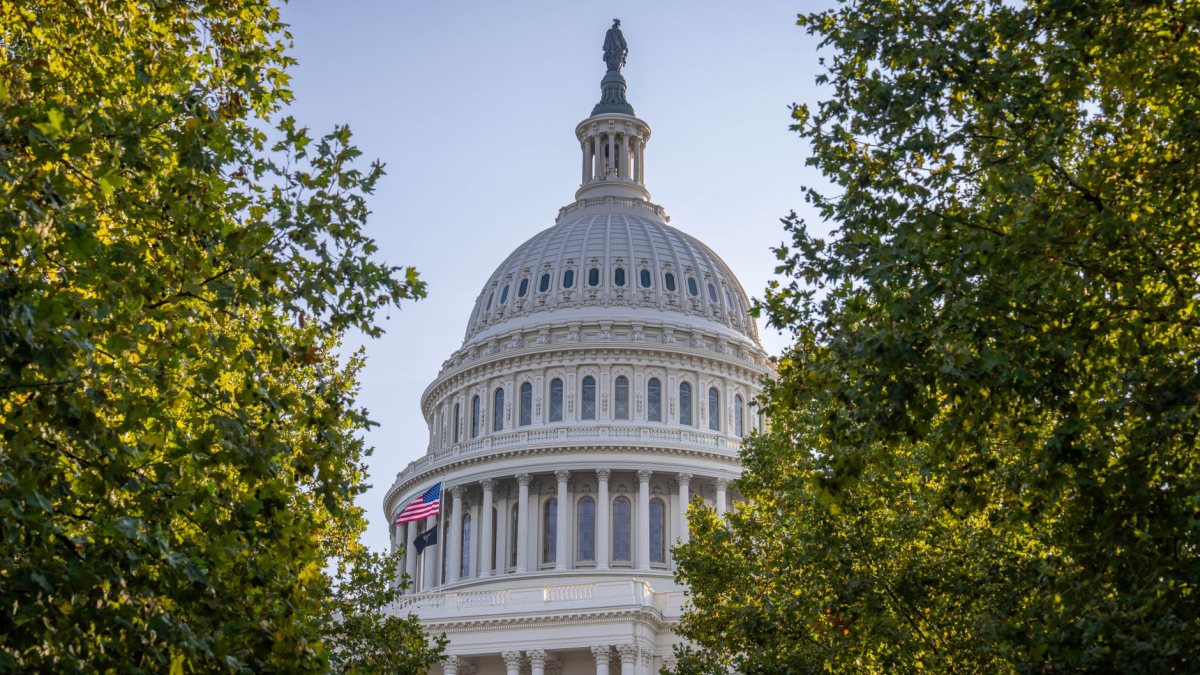
American lawmakers face deep ideological divides as they struggle to draft comprehensive safety guardrails for rapid AI innovation.
Lawmakers in Washington are increasingly gridlocked over how to approach the regulation of rapidly advancing artificial intelligence technology. As tech conglomerates deploy ever-more sophisticated models, American legislators find themselves deeply divided between encouraging domestic market innovation and imposing federal guardrails to prevent systemic risks.
The debate has created an unusual ideological split on Capitol Hill. While some political leaders urge swift, decisive statutory measures to curb potential harms, others advocate for a minimalist approach, cautioning that heavy-handed oversight could stifle economic growth and weaken the nation’s competitive advantage against global rivals.
At the heart of the deadlock is a fundamental conflict in regulatory philosophy. Proponents of strict oversight argue that without immediate legislative intervention, advanced AI systems could pose existential threats to national security, labor markets, and public information integrity. They stress that self-regulation by technology firms is insufficient to address complex public safety risks.
Conversely, advocates for a light-touch regime contend that prescriptively regulating an emerging technology could force critical research overseas. This camp emphasizes the need for flexible frameworks that allow companies to experiment rapidly, arguing that innovation itself often provides the best tools to mitigate technological hazards.
Congressional committees are evaluating several competing legislative frameworks, reflecting the spectrum of opinion in Washington:
The regulatory trajectory in the United States is being monitored closely by international markets, including the United Arab Emirates and broader Gulf region. As major global investors in artificial intelligence infrastructure, sovereign wealth funds and technology hubs in Abu Dhabi and Dubai rely on regulatory clarity in key partner nations to guide cross-border ventures and tech transfers.
Uncertainties in Western legislative environments often accelerate international interest in establishing localized, business-friendly regulatory frameworks. Middle Eastern nations continue to build dedicated AI ministries and investment frameworks aimed at attracting top-tier global research, benefiting from stable, predictable statutory landscapes.
In the near term, Congressional leaders are expected to convene additional public hearings and bipartisan working groups to seek common ground. However, passing comprehensive statutory frameworks during an election year presents significant political hurdles. Analysts suggest that incremental, sector-specific measures—such as addressing deepfakes in elections or protecting intellectual property—are far more likely to achieve short-term consensus than broad oversight regimes.
Lawmakers are torn between protecting the public from catastrophic risks and preserving the economic momentum of the technology sector. The rapid pace of technological development also makes it difficult to write durable statutes.
Global tech hubs closely track US standards to align international trade and compliance policies. Divergent regulatory environments can shift capital investments toward markets with clearer, more supportive operational guidelines.
While tech firms often agree to voluntary safety measures, critics argue these lack legal enforcement mechanisms, whereas industry defenders believe they provide necessary flexibility as technology evolves.
The ongoing struggle in Washington highlights the immense difficulty democratic institutions face when attempting to govern transformative, fast-moving technologies. Whether American leaders choose stringent oversight or a permissive regulatory environment will fundamentally shape global technological competition and security strategies for years to come.
Reference: This report was compiled from publicly reported information. Original coverage: axios.com.
Photo: Mark Stebnicki / Pexels




