Physical Address
304 North Cardinal St.
Dorchester Center, MA 02124
Physical Address
304 North Cardinal St.
Dorchester Center, MA 02124

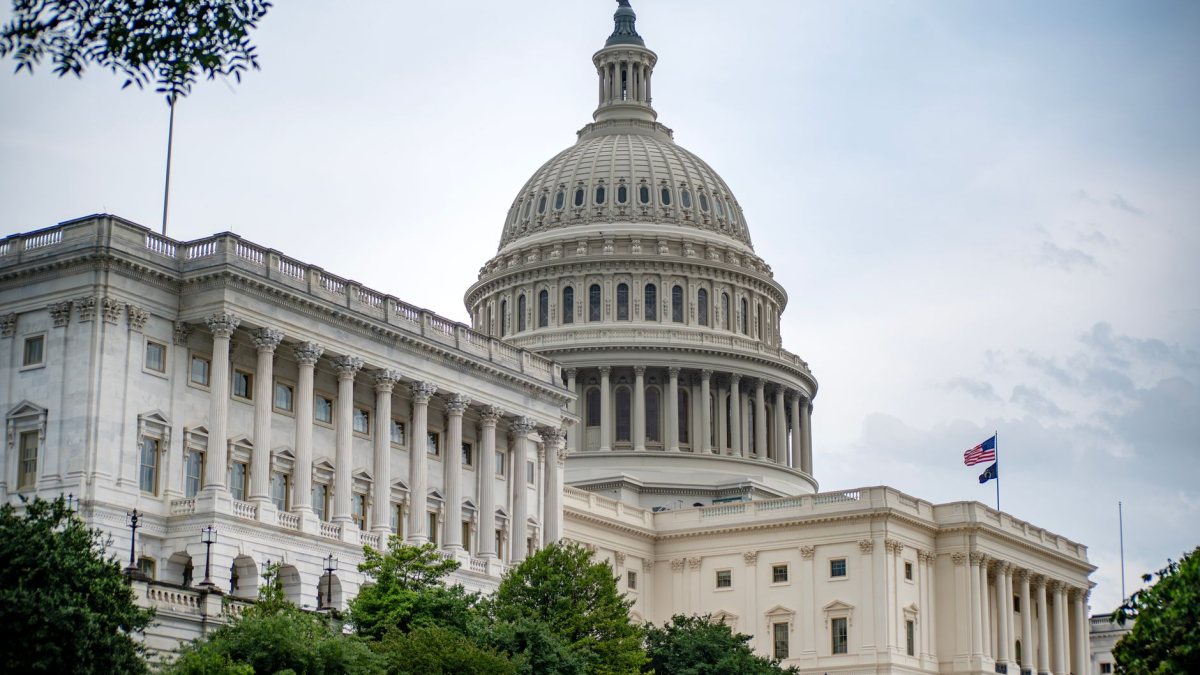
A recent campaign proposal suggesting direct payments to Americans has reignited scrutiny over the legal and political boundaries of election promises.
A proposal by former United States President Donald Trump to issue direct financial payments to citizens following potential electoral victories has stirred debate among legal scholars, political analysts, and campaign finance observers. The suggestion, which ties specific fiscal relief to party control, has brought fresh attention to the long-standing debate over how far political candidates can go when promising economic benefits to voters.
While campaign pledges involving tax cuts, subsidies, and stimulus measures are standard fixtures of modern democratic elections, explicitly framing cash distributions around partisan outcomes frequently raises questions under election law. Legal experts are weighing whether such statements cross the line from standard policy platforms into questionable campaign inducements.
During recent public appearances and campaign messaging, discussions surfaced regarding broad financial transfers to individual Americans. The concept outlines direct monetary support framed as a policy achievement attainable if voters return control of the executive and legislative branches to the Republican party. Proponents argue that such measures represent economic stimulus aimed at mitigating inflation and high costs of living, drawing comparisons to prior pandemic-era relief programs.
Critics, however, contend that explicitly conditioning payments on specific electoral outcomes pushes the envelope of conventional policy campaigning. While politicians routinely promise lower taxes or enhanced social benefits, linking direct financial rewards directly to election victories creates a dynamic that critics argue approaches the boundary of improper voter solicitation.
Under United States federal law, particularly Title 18 of the U.S. Code, it is a crime to pay, offer to pay, or accept payment for voting or registering to vote. The fundamental intent of these statutes is to protect democratic integrity and prevent individuals or organizations from purchasing votes.
However, the legal distinction between an unlawful bribe and a lawful campaign promise is substantial and well-established in jurisprudence:
The practice of promising direct economic relief is far from unprecedented in American political history. Both major political parties have leveraged the power of the federal purse to appeal to the electorate, especially during economic downturns or crises.
In 2020 and 2021, broad stimulus checks were approved under both the Trump and Biden administrations to counter the economic fallout of the global pandemic. During the crucial 2021 Georgia Senate runoff elections, Democratic candidates and party leaders explicitly campaigned on the delivery of $2,000 direct relief checks if voters secured a Democratic Senate majority. In both cases, the promises were implemented through formal congressional legislation following the elections, underscoring that legislative promises are standard tools of governance and campaigning.
Beyond the legal technicalities, proposals offering large-scale direct disbursements carry significant political and fiscal ramifications. Economists often caution that massive cash injections without corresponding revenue offsets can exacerbate national debt levels and potentially fuel inflationary pressures, complicating the Federal Reserve’s monetary policy goals.
Politically, direct financial appeals resonate strongly with voters feeling the strain of elevated living costs, housing expenses, and grocery bills. Nevertheless, opponents often frame such proposals as fiscal populism or fiscally irresponsible maneuvers designed purely for short-term political gain.
No. Under U.S. law, proposing government spending or relief programs through the constitutional legislative process is considered protected political speech and standard policymaking, provided it does not involve private payments exchanged directly for verified individual votes.
No. The power of the purse rests exclusively with the United States Congress under Article I of the Constitution. Any federal expenditure, including direct payments or tax rebates, requires legislation passed by both chambers and signed into law.
Courts examine whether the benefit is a broad public policy executed through government institutions or an individualized, private financial transaction specifically intended to alter an individual’s ballot.
While the prospect of large direct checks tied to electoral outcomes generates intense political debate and public skepticism, it falls squarely within the broad legal tradition of campaign policy proposals. Under constitutional norms, such pledges represent legislative platforms that require full congressional approval rather than unlawful personal inducements.
As campaign cycles intensify, voters are likely to see continued debate over the feasibility, economic impact, and ethical dimensions of direct-relief promises in modern American politics.
Reference: This report was compiled from publicly reported information. Original coverage: USA Today.
Photo: Ramaz Bluashvili / Pexels




