Physical Address
304 North Cardinal St.
Dorchester Center, MA 02124
Physical Address
304 North Cardinal St.
Dorchester Center, MA 02124

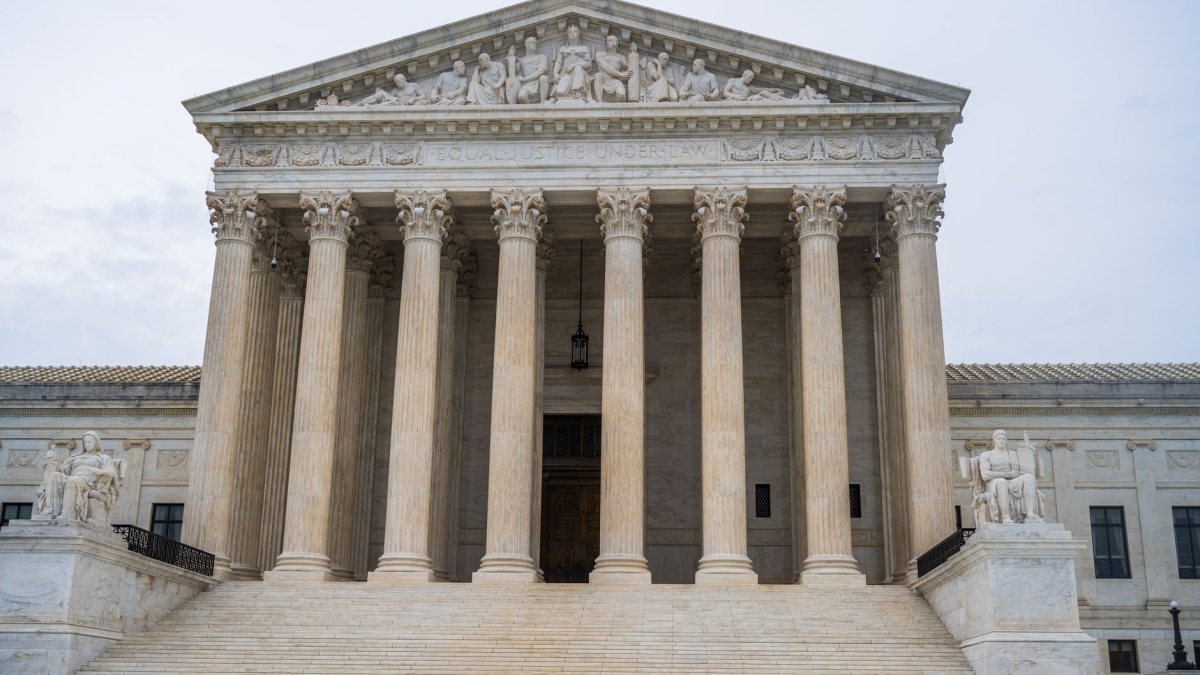
Former President Donald Trump has targeted the U.S. Supreme Court following a major ruling upholding expanded mail-in voting rules ahead of upcoming elections.
Former U.S. President Donald Trump has directed sharp public criticism at the United States Supreme Court following a decisive ruling that rejected attempts to curtail mail-in voting procedures. The decision marks a significant legal setback for efforts seeking to impose tighter restrictions on postal ballots ahead of the upcoming American election cycle.
Responding to the verdict, Trump took to public platforms to express deep dissatisfaction with the justices, including conservative members appointed during his administration. The reaction underscores ongoing political friction over election administration in the United States, a topic monitored closely by international observers and policy analysts in Canada.
The U.S. Supreme Court declined to intervene against state-level regulations that allow broad access to mail-in voting. Legal efforts brought by conservative groups had sought to limit the circumstances under which voters could submit postal ballots, arguing that emergency measures introduced during recent years should be rolled back.
However, a strong majority of the bench determined there was insufficient legal basis to overturn existing state-level policies. American legal scholars noted that the court’s conservative majority largely aligned with established federalism principles, which grant individual states primary authority over election administration under the U.S. Constitution.
Trump’s strong response highlights a growing rift between the former president and the judicial institution he helped shape. During his presidency, Trump appointed three conservative justices to the nine-member court, establishing a 6-3 conservative supermajority that many expected would favor conservative legal challenges.
Despite these appointments, the court has repeatedly declined to rule in favor of petitions seeking to overturn election outcomes or alter voting rules on short notice. Political commentators observe that the court’s decisions have consistently privileged procedural stability and state autonomy over partisan challenges.
Postal voting has become a central component of the American electoral system, particularly since 2020. While the practice was once largely non-controversial and utilized primarily by absentee voters, it has increasingly become a flashpoint for political debate.
For Canadian policymakers and legal analysts, developments in U.S. election law offer important insights into democratic institutions and cross-border governance. Stable electoral processes in the United States remain vital to Canadian economic security, trade stability, and bilateral relations.
Moreover, comparing voting methods highlights distinct differences between the two nations. In Canada, voting administration is centralized under Elections Canada, an independent non-partisan agency that oversees standard voting options nationwide, including vote-by-mail procedures, with far less political debate.
Following high-profile Supreme Court rulings on election mechanics, several outcomes usually follow in the American political landscape:
The court determined that the petitioners failed to provide a valid legal basis to overturn state-level election rules, adhering to the principle that states hold primary authority over election procedures.
In Canada, mail-in voting is managed uniformly nationwide by Elections Canada, whereas in the U.S., each state sets its own rules, leading to significant variations in access and regulations.
Yes. The ruling ensures that existing mail-in ballot options will remain intact in the affected jurisdictions, providing clarity for election administrators and voters alike.
The Supreme Court’s refusal to restrict mail-in voting highlights the resilience of legal precedents favoring state authority over federal judicial intervention in election administration. Trump’s immediate criticism underscores persistent tensions surrounding election processes, a debate that continues to shape American political discourse and capture international attention.
Reference: This report was compiled from publicly reported information. Original coverage: Reuters.
Photo: Guohua Song / Pexels




