Physical Address
304 North Cardinal St.
Dorchester Center, MA 02124
Physical Address
304 North Cardinal St.
Dorchester Center, MA 02124

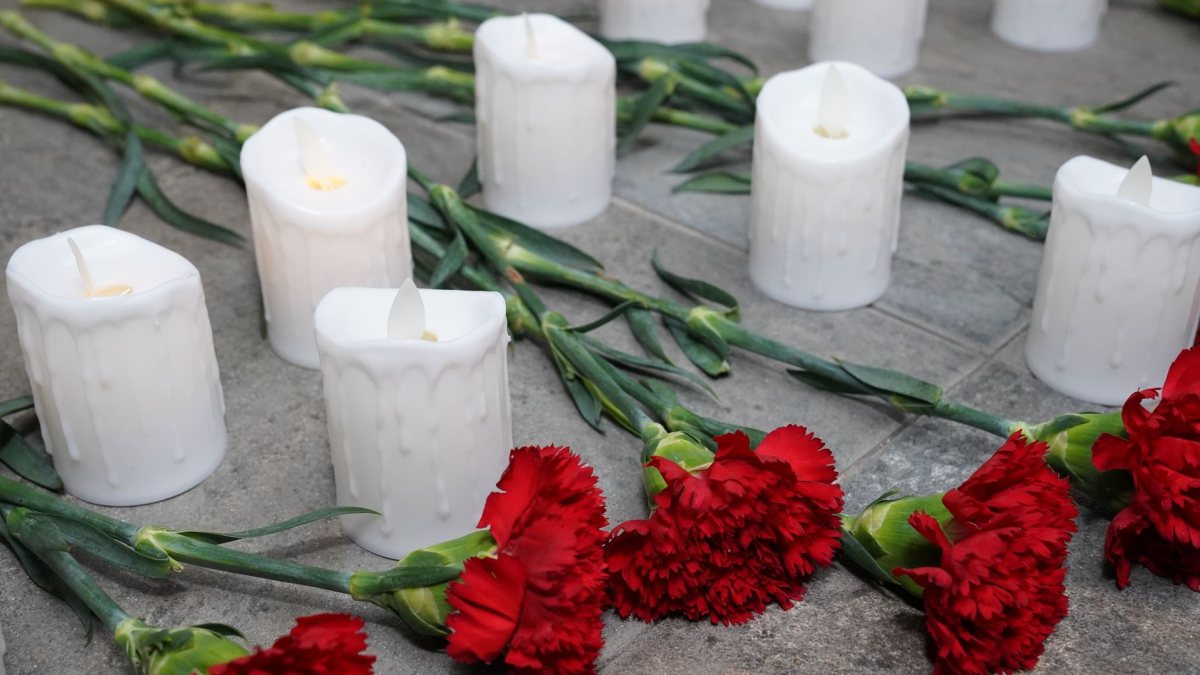
Communities across the world and in Australia reflect on the legacy of September 11, balancing solemn remembrance with evolving geopolitical tensions.
Services around the world have honoured the victims of the September 11 terrorist attacks, marking a major milestone since the events that reshaped international security and foreign policy. Mourners, survivors, and emergency personnel gathered at primary memorial sites across the United States, while allied nations, including Australia, paused to reflect on the enduring consequences of that morning.
The commemorative ceremonies took place against a complex global backdrop. While the primary focus at ground-level remains the remembrance of ordinary workers and first responders who lost their lives, contemporary political leaders have also used the anniversary to frame current security challenges and ongoing conflicts overseas.
At memorial grounds in New York, the Pentagon, and Shanksville, the central tradition remained largely unchanged: the slow, deliberate reading of the names of the thousands who died. Family members shared memories of parents, siblings, and colleagues, emphasising that those lost were everyday people who simply commuted to work on a clear morning.
For the surviving families, the passage of decades has not erased the grief. Many speakers highlighted how an entire generation has now reached adulthood without any direct memory of the attacks, making public acts of remembrance vital to preserving the historical record and honouring the courage of first responders who entered the burning towers.
In Australia, the anniversary carries a profound personal and strategic resonance. Ten Australian citizens were killed in the attacks, caught in the World Trade Center towers during what began as a typical workday. Commemorations in Canberra and state capitals routinely pay tribute to these victims alongside international partners.
Beyond the immediate human toll, the attacks marked a turning point in modern Australian defence and foreign relations. Following the tragedy, the Australian Government invoked the ANZUS Treaty for the first time in its history, cementing a security partnership that led to prolonged deployments in the Middle East and Central Asia over the subsequent decades.
While memorial gatherings are traditionally solemn and bipartisan, milestone anniversaries frequently intersect with active political debates. In recent addresses, figures within American politics have drawn direct parallels between the lessons of 2001 and contemporary friction in the Middle East, including standoff situations involving regional powers such as Iran.
Analysts note that referencing past national tragedies remains a potent rhetorical tool during heightened global tensions. However, such comparisons also draw criticism from families and observers who argue that commemorative events should remain focused on honouring the deceased rather than advancing modern defence doctrines or military posturing.
The events of September 11 fundamentally altered daily life across Western democracies, introducing sweeping changes that remain institutionalised today. From routine transit to intelligence sharing, the legacy of that day continues to govern modern security architecture.
Ten Australian citizens were confirmed killed in the World Trade Center attacks on 11 September 2001, working across finance, consulting, and telecommunications sectors.
The Australian Government invoked Article IV of the ANZUS Treaty to formally declare that the attack on the United States was considered dangerous to its own peace and safety, leading to military commitments abroad.
Commemorations typically involve moments of silence synchronised with the times the aircraft struck the towers, reading the roll of victims’ names, and ringing bells of remembrance at civic and religious venues worldwide.
Decades after the collapse of the Twin Towers, the legacy of September 11 remains central to Western domestic policy and international relations. For the families of victims, the day serves as a quiet, enduring reminder of personal loss, while for governments worldwide, it continues to define the delicate balance between civil liberties, national defence, and strategic alliances.
Reference: This report was compiled from publicly reported information. Original coverage: SMH.com.au.
Photo: Tahir Xəlfəquliyev / Pexels




