Physical Address
304 North Cardinal St.
Dorchester Center, MA 02124
Physical Address
304 North Cardinal St.
Dorchester Center, MA 02124

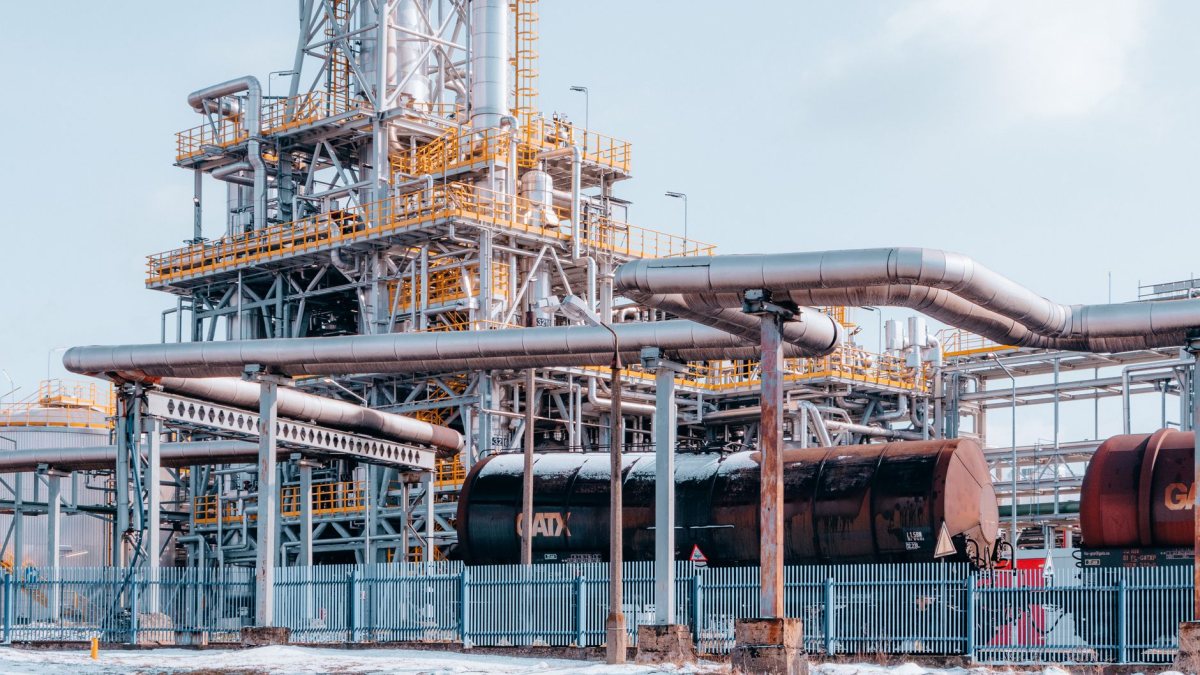
A major Saudi Arabian oil pipeline has been targeted in a drone strike, sparking fresh concerns over global energy security and escalating regional tensions.
A coordinated drone strike targeting a vital oil pipeline in Saudi Arabia has forced a temporary suspension of its operations, triggering renewed concerns over the vulnerability of global energy infrastructure. The incident, which has been linked to regional proxy conflicts, highlights the fragile state of security surrounding some of the world’s most critical transit routes.
As energy markets react to the disruption, international observers are warning of the broader implications for global fuel prices. For Australian consumers and businesses, who remain highly sensitive to fluctuations in international crude benchmarks, the vulnerability of Middle Eastern supply chains remains a critical economic concern.
The attack focused on the East-West pipeline, a crucial piece of infrastructure that transports crude oil from Saudi Arabia’s eastern oil fields to the port of Yanbu on the Red Sea. By bypassing the strategic Strait of Hormuz, the pipeline serves as a vital alternative route for Saudi oil exports, making any disruption to its flow highly significant for global markets.
Reports indicate that explosive-laden drones were used to target two pumping stations along the pipeline. While Saudi authorities confirmed that the physical damage was contained and did not result in major casualties or a total halt to exports, the decision to temporarily shut down the pipeline was made as a precautionary measure to assess the integrity of the system.
The incident comes amid heightened tensions in the Persian Gulf region, where a complex web of alliances and proxy conflicts frequently threatens maritime and energy security. While responsibility for such attacks is often disputed, regional security analysts point to the ongoing conflict in neighbouring Yemen and the involvement of various militia groups across the Middle East.
The use of unmanned aerial vehicles (UAVs) represents a significant shift in the nature of asymmetrical warfare in the region. These low-cost, hard-to-detect technologies allow non-state actors to strike deep within foreign territory, targeting high-value economic infrastructure with precision.
The immediate reaction in global financial markets saw crude oil prices tick upwards, reflecting anxiety over potential supply bottlenecks. The security of major maritime chokepoints and overland pipelines is a primary driver of energy market volatility.
The vulnerability of these routes is particularly concerning for several reasons:
Although Australia is geographically distant from the Middle East, its economy is deeply integrated into global energy markets. Australia imports a substantial portion of its refined fuel, meaning that any sustained rise in global crude prices quickly translates to higher prices at local petrol pumps.
Furthermore, Australian transport and logistics sectors are highly sensitive to fuel price fluctuations. A prolonged period of high oil prices could increase the cost of transporting goods domestically, potentially contributing to broader inflationary pressures across the economy.
The pipeline allows Saudi Arabia to transport oil directly to the Red Sea, bypassing the Strait of Hormuz. This is crucial because the Strait of Hormuz is a narrow waterway that regional adversaries have previously threatened to close during times of high tension.
While a single attack may only cause a temporary spike in oil prices, repeated threats to energy infrastructure increase market uncertainty. This uncertainty leads to higher global oil prices, which directly increases the cost of petrol and diesel for consumers worldwide.
Governments and energy companies are investing heavily in advanced surveillance, anti-drone technology, and physical barriers. However, securing thousands of kilometres of pipeline running through remote desert terrain remains an ongoing logistical challenge.
The drone attacks on Saudi Arabia’s energy infrastructure serve as a stark reminder of the geopolitical risks embedded in the global fuel supply chain. As long as regional tensions remain high, the threat of asymmetric attacks on critical infrastructure will continue to weigh on international energy markets.
For Australia, the situation underscores the ongoing vulnerability to external economic shocks. It highlights the importance of national fuel security strategies and the transition toward more resilient, diversified energy sources to insulate the domestic economy from overseas conflicts.
Reference: This report was compiled from publicly reported information. Original coverage: News.com.au.
Photo: Jakub Pabis / Pexels




