Physical Address
304 North Cardinal St.
Dorchester Center, MA 02124
Physical Address
304 North Cardinal St.
Dorchester Center, MA 02124

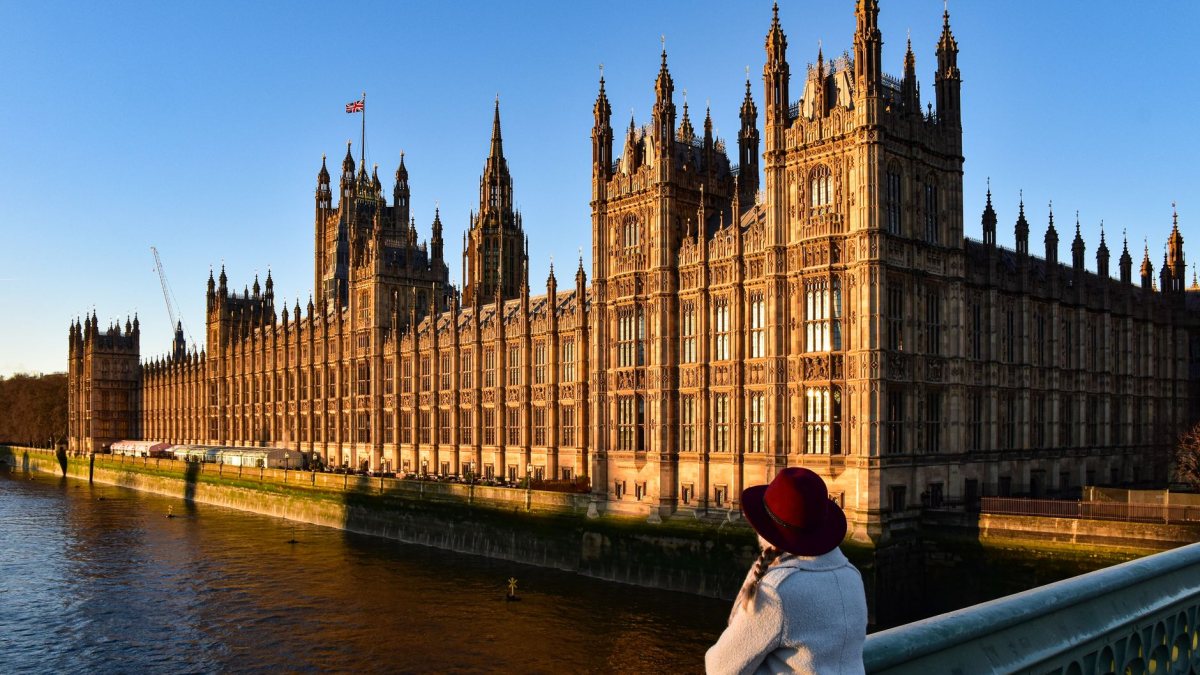
A surge in financial backing for Reform UK has ignited a fresh political row over the transparency and regulation of campaign funding in Britain.
A high-profile dispute over political funding has erupted in Westminster following reports of substantial financial backing for Reform UK. Senior figures within the party have mounted a firm defence of their fundraising methods, insisting that all donations received comply fully with existing electoral regulations.
The controversy centres on the sourcing of political funds and the potential role of digital assets, prompting opposition parties and trade unions to call for tighter controls on political cash. As Parliament considers broader electoral reforms, the row has exposed long-standing vulnerabilities in how political parties in the United Kingdom raise and report private money.
The latest row began when reports highlighted large-scale contributions flowing into Reform UK, the right-wing populist party led by Nigel Farage. Critics have questioned the ultimate origin of these funds, raising concerns over whether digital currencies and complex corporate structures could be used to bypass foreign donation bans.
In response, Reform UK deputy leader Richard Tice and other key representatives strongly rejected suggestions of wrongdoing. Party leadership maintains that all large contributions undergo standard compliance checks and that their financial supporters are patriotic donors keen to disrupt the political status quo.
Under current UK law, political parties are permitted to accept donations only from permissible sources to prevent foreign interference in domestic politics. According to standard Electoral Commission rules, permissible donors generally include:
While the law strictly prohibits direct funding from foreign nationals or overseas entities, commentators point out that loopholes persist. For instance, foreign money can legally enter the UK political system if routed through a UK-registered company, provided that company is actively trading.
The potential use of cryptocurrency in political donations presents a relatively novel challenge for electoral regulators. Digital assets offer high degrees of anonymity and can be rapidly transferred across international borders, making it difficult to verify the underlying identity of a donor.
While the Electoral Commission requires parties to ensure that any donor using digital currency is a permissible UK source, legal experts argue that current legislation was drafted before the widespread adoption of blockchain technology. Consequently, enforcing these rules requires sophisticated forensic accounting that traditional regulatory frameworks were not originally designed to handle.
The row has energized cross-party efforts to tighten electoral legislation. Opponents, including Labour MPs and trade union leaders, have urged Ministers to close loopholes regarding shelf companies and digital assets. Proposals currently debated in the House of Lords include amendments that would force political parties to perform deeper background checks on major donors and certify that funds do not originate from untaxed or overseas accounts.
Conversely, defenders of the current system argue that overly restrictive rules could hamper political challenge and favour incumbent parties with established institutional backing. Reform UK figures contend that traditional parties receive millions from union block grants and corporate interests, making attacks on alternative funding methods politically motivated.
When high-profile disputes over party political funding arise in the UK, they typically trigger a standardized series of regulatory and parliamentary responses:
No, cryptocurrency donations are not explicitly illegal. However, political parties must be able to verify the true identity of the donor to ensure they are on a UK electoral roll or are a qualifying UK entity, which can be challenging with anonymous digital assets.
The Electoral Commission is the independent body that regulates party political finance in the UK. It publishes quarterly reports of all donations over statutory thresholds and has the authority to investigate potential breaches and issue fines.
Direct donations from foreign nationals who are not registered to vote in the UK are strictly prohibited. However, debate continues over indirect routes, such as contributions made through UK-registered subsidiaries of foreign parent companies.
The dispute surrounding Reform UK’s fundraising highlight an ongoing struggle to keep Britain’s electoral laws aligned with modern finance. As digital assets and global capital flows become increasingly complex, existing statutory frameworks face growing scrutiny from regulators and politicians alike.
Whether this row leads to immediate legal changes will depend on Parliament’s appetite for amending pending legislation. In the meantime, public scrutiny of political mega-donors remains intense, ensuring that campaign finance will stay at the forefront of Westminster debate ahead of future electoral contests.
Reference: This report was compiled from publicly reported information. Original coverage: The Guardian.
Photo: AXP Photography / Pexels




