Physical Address
304 North Cardinal St.
Dorchester Center, MA 02124
Physical Address
304 North Cardinal St.
Dorchester Center, MA 02124

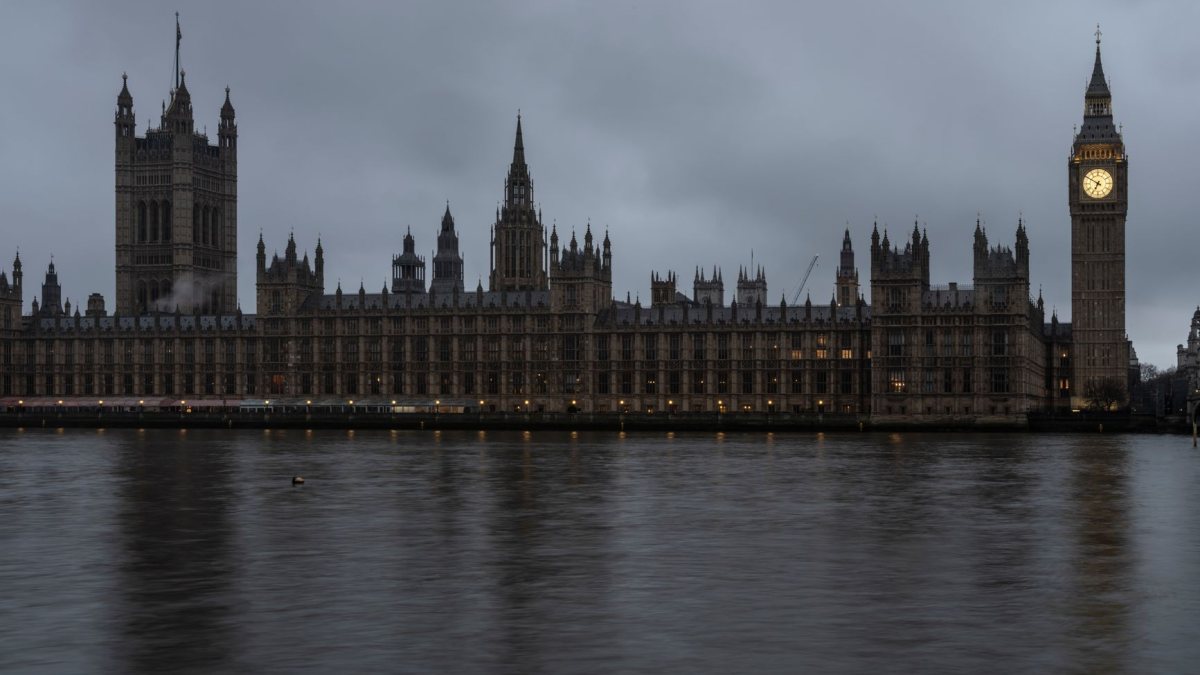
The Met Police are investigating allegations that Reform UK officials discussed bypassing electoral laws on foreign donations during an undercover sting.
The Metropolitan Police have launched a formal criminal investigation into allegations concerning political donations to Reform UK. The development follows an undercover media sting which reportedly captured party figures discussing methods to bypass strict British electoral laws regarding foreign funding.
The investigation places fresh scrutiny on the populist party and its leadership, raising significant questions about party funding compliance. Reform UK has defended its conduct, while its leader, Nigel Farage, has sought to distance himself from the conversations recorded by undercover reporters.
The controversy stems from an undercover investigation where journalists posed as representatives for a wealthy foreign donor. Under current UK electoral law, political parties are strictly prohibited from accepting financial donations from non-UK citizens or entities registered outside the country. This measure is designed to prevent foreign interference in domestic democratic processes.
Footage obtained during the operation reportedly showed individuals associated with Reform UK discussing structures that could allow overseas money to be funnelled into the party. While the party maintains no illegal funds were ever accepted, the mere agreement or conspiracy to bypass electoral laws can constitute a criminal offence under the Political Parties, Elections and Referendums Act 2000.
In the United Kingdom, political financing is heavily regulated to ensure transparency and prevent undue influence. The Electoral Commission is the independent body responsible for overseeing these rules, but serious breaches are referred to the police for criminal investigation.
Key rules governing political donations in the UK include:
Reform UK leader Nigel Farage has responded to the growing controversy, downplaying his involvement in the specific discussions. In a recent broadcast interview, Farage stated he “wasn’t listening” or was otherwise distracted during the conversations where foreign donor arrangements were being discussed in his presence.
The party has characterised the undercover operation as a politically motivated entrapment attempt. However, critics argue that the leadership has a duty of care to ensure all staff and representatives adhere strictly to the law, and that ignorance of ongoing discussions is not a robust legal defence.
The Metropolitan Police’s specialist operations unit is expected to lead the inquiry. Detectives will review the unedited footage and audio from the undercover sting, interview key witnesses, and examine Reform UK’s financial records to determine if any conspiracy or attempt to violate the Political Parties, Elections and Referendums Act occurred.
If the police find sufficient evidence of wrongdoing, the file will be passed to the Crown Prosecution Service (CPS), which will decide whether it is in the public interest to bring formal charges against specific individuals or the party itself. Such investigations typically take several months to conclude.
No. Only individuals on the UK electoral register can donate more than £500 to a political party. This includes British citizens living abroad who remain registered to vote, but excludes foreign nationals without voting rights in the UK.
Reference: This report was compiled from publicly reported information. Original coverage: BBC.
Photo: Trev W. Adams / Pexels




