Physical Address
304 North Cardinal St.
Dorchester Center, MA 02124
Physical Address
304 North Cardinal St.
Dorchester Center, MA 02124

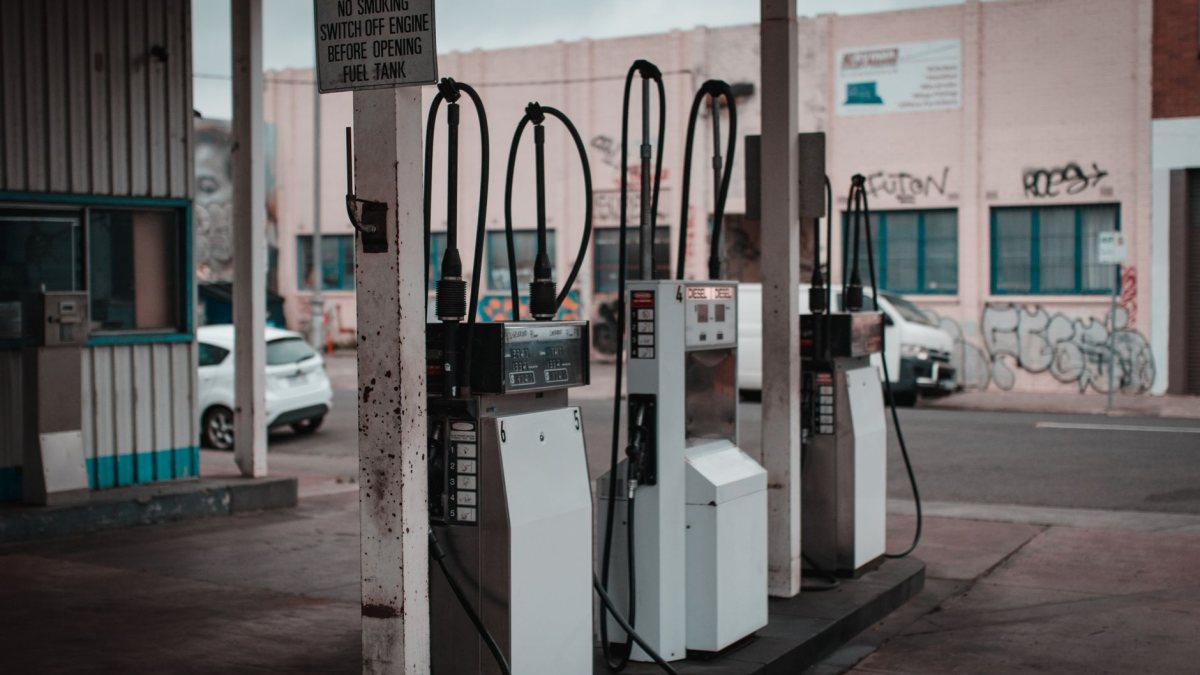
The federal government has announced an increase in petroleum prices, adding pressure on transport costs and consumer budgets across Pakistan.
The federal government has announced a fresh revision in the prices of petroleum products, introducing another wave of price hikes for cash-strapped consumers across Pakistan. The adjustment, which takes effect immediately, sees a notable increase in the rates of both petrol and high-speed diesel, key drivers of the country’s transport and agricultural sectors.
This latest price revision comes at a challenging time for ordinary citizens who are already grappling with elevated costs of living. As the prices of essential fuels rise, market analysts warn of a cascading effect on the wider economy, particularly concerning the costs of public transport, food distribution, and daily commutes.
According to the official notification issued by the Finance Division, the price of petrol has been increased by Rs3.05 per litre. Meanwhile, high-speed diesel (HSD), which is heavily utilized in heavy transport and farming machinery, has seen an upward revision of Rs5.37 per litre. These new rates are aimed at aligning domestic prices with international market trends and meeting fiscal targets.
The price of kerosene oil and light diesel oil have also undergone adjustments in line with the government’s fortnightly pricing formula. This formula calculates domestic prices based on the import costs incurred by the Pakistan State Oil (PSO) and prevailing global oil prices over the preceding two weeks.
The immediate fallout of the fuel price hike is expected to be felt by daily commuters and the transport sector. Historically, any upward adjustment in petroleum rates prompts public transport operators, freight companies, and online ride-hailing services to revise their fares upward to maintain their profit margins.
For the average Pakistani household, this translates into a double whammy. Not only does it increase the direct cost of personal mobility, but it also inflates the prices of everyday consumer goods. Since most essential items, including fruits, vegetables, and dairy, are transported from rural hubs to urban markets via diesel-powered trucks, transport sector adjustments quickly reflect on retail shelves.
The decision to increase petroleum prices is influenced by several domestic and international economic factors. The government regularly reviews these prices on a fortnightly basis to reflect the changing dynamics of the global oil market and the rupee-dollar exchange rate.
This price hike comes against the backdrop of ongoing stabilization efforts by the economic team. Pakistan has been working closely with international financial institutions to secure fiscal discipline, which often requires the withdrawal of subsidies on energy and fuel. While these measures are aimed at long-term economic health, their short-term impact on inflation remains a major concern for policymakers.
Independent economists suggest that keeping fuel prices artificially low through subsidies is no longer a viable option for the treasury, as it expands the fiscal deficit. However, they emphasize the need for targeted relief measures or safety nets for the lowest-income segments of society to cushion the blow of rising energy costs.
Petroleum prices in Pakistan are typically reviewed and revised on a fortnightly basis, with new rates taking effect on the 1st and 16th of every month, based on recommendations from the Oil and Gas Regulatory Authority (OGRA).
The PDL is a tax imposed by the federal government on petroleum products. It serves as a key source of revenue for the state and is often adjusted to meet national fiscal targets and international monetary conditions.
Diesel is the primary fuel used by heavy transport vehicles and agricultural machinery like tractors and tube wells. When diesel prices rise, the cost of farming and transporting goods increases, which ultimately leads to higher food prices in retail markets.
The latest increase in petrol and diesel prices underscores the delicate balancing act the Pakistani government faces between managing fiscal deficits and protecting public purchasing power. As global energy markets remain volatile and structural reforms continue, consumers must brace themselves for continued fluctuations in the cost of fuel and essential services in the coming months.
Reference: This report was compiled from publicly reported information. Original coverage: RADIO PAKISTAN.
Photo: Connor Forsyth / Pexels




