Physical Address
304 North Cardinal St.
Dorchester Center, MA 02124
Physical Address
304 North Cardinal St.
Dorchester Center, MA 02124

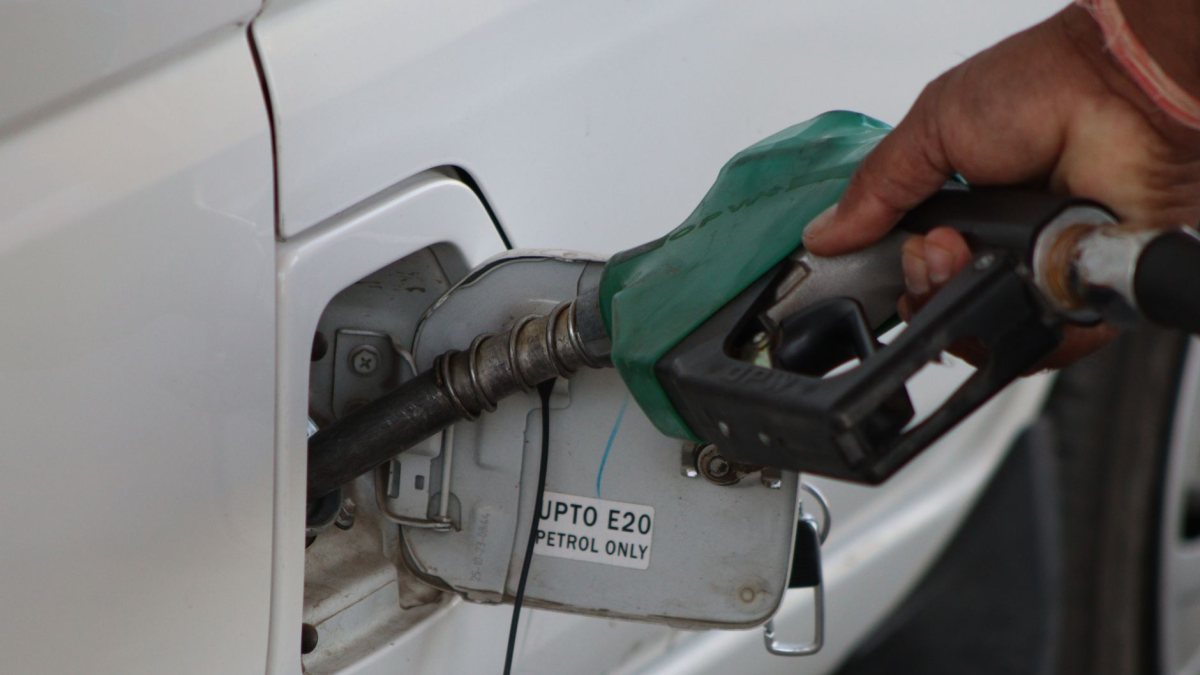
The federal government has announced a fresh hike in petrol and high-speed diesel prices, compounding inflation concerns for consumers across the country.
The federal government has once again revised the prices of petroleum products upward, delivering another blow to inflation-weary consumers across Pakistan. The latest adjustment sees a notable increase in the costs of both petrol and high-speed diesel (HSD), driven primarily by the volatile trajectory of international oil markets and shifting import costs.
According to the notification issued by the Finance Division, the new rates take effect immediately. This decision follows the fortnightly review by the Oil and Gas Regulatory Authority (OGRA), which calculates domestic fuel pricing based on international benchmarks, shipping costs, and the prevailing exchange rate of the Pakistani rupee.
Under the current deregulation framework, Pakistan adjusts its petroleum prices every fifteen days. This system aligns domestic rates with the free-on-board (FOB) prices of oil in the Arabian Gulf. When global crude prices rise or the rupee weakens against the US dollar, the cost of importing refined products escalates, forcing the government to pass the burden onto the public.
In recent weeks, escalating geopolitical tensions in the Middle East and supply cuts by major oil-producing nations have kept global crude benchmarks elevated. Because Pakistan imports a vast majority of its energy needs, any disruption or price spike in the international market reflects directly on the local pumps within a fortnight.
The hike in high-speed diesel is particularly critical for the national economy. While petrol is mainly consumed by passenger cars and two-wheelers, diesel powers the country’s heavy transport sector, public buses, and agricultural machinery. Consequently, an increase in diesel prices has a cascading effect on the cost of living.
Beyond the cost of the raw product, domestic fuel prices in Pakistan are heavily influenced by government taxation. This includes the Petroleum Development Levy (PDL) and customs duties. Under the terms of the International Monetary Fund (IMF) bailout programs, the government is often required to maintain or increase these levies to meet strict revenue collection targets.
Business community leaders and consumer rights groups have frequently urged the Prime Minister and the finance ministry to reduce the petroleum levy to provide relief to the public. However, policy analysts point out that fiscal constraints leave the government with very limited room to maneuver, as fuel taxes remain a reliable source of federal revenue.
To understand why prices fluctuate so frequently, it is helpful to look at the components that make up the final price at the pump. The pricing structure determined by OGRA includes:
| Component | Description |
|---|---|
| Ex-Refinery Price | The base cost of the refined fuel based on international market rates. |
| Inland Freight Equalization Margin | The cost of transporting fuel from ports and refineries to depots nationwide. |
| Distributor & Dealer Margins | Fixed commissions paid to oil marketing companies and petrol pump owners. |
| Government Taxes | The Petroleum Development Levy (PDL) and applicable custom duties. |
Pakistan adopted a fortnightly pricing mechanism to ensure that local prices closely mirror international market trends. This prevents oil marketing companies from facing massive losses or gaining windfall profits due to sudden global market shifts.
The PDL is a tax imposed by the federal government on petroleum products. It is a key source of non-tax revenue used to meet budgetary targets and satisfy fiscal conditions set by international lenders like the IMF.
While the government has subsidized fuel in the past, doing so now is extremely difficult. Under current agreements with international financial institutions, untargeted subsidies are discouraged as they increase the fiscal deficit and strain the national treasury.
The latest increase in petrol and diesel prices highlights Pakistan’s vulnerability to global energy shocks. With limited domestic oil production, the country remains at the mercy of international market dynamics and currency fluctuations. For ordinary citizens, this adjustment means bracing for another wave of inflationary pressure on daily essentials.
As long as global oil markets remain volatile due to geopolitical instability, Pakistani consumers will likely continue to experience frequent adjustments at the fuel pumps. Balancing fiscal responsibility, IMF mandates, and public relief remains one of the most complex challenges for the current administration.
Reference: This report was compiled from publicly reported information. Original coverage: Dawn.
Photo: Fahad Puthawala / Pexels




