Physical Address
304 North Cardinal St.
Dorchester Center, MA 02124
Physical Address
304 North Cardinal St.
Dorchester Center, MA 02124

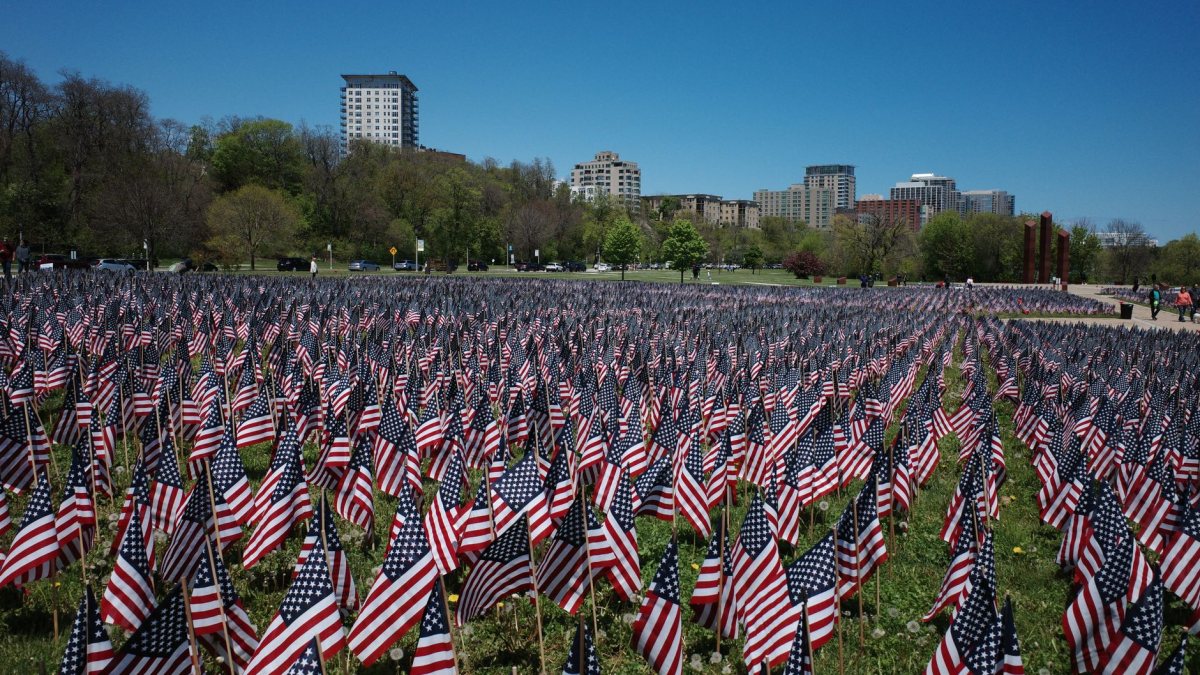
Ceremonies across the United States honor the victims of the September 11 attacks, reflecting on national security, foreign policy, and lasting domestic impacts.
Across the United States, solemn ceremonies, ringing bells, and moments of silence have marked a milestone anniversary of the September 11 terrorist attacks. Relatives of victims, first responders, military service members, and civic leaders gathered at memorials in New York City, Shanksville, Pennsylvania, and the Pentagon to pay tribute to nearly 3,000 lives lost on that fateful morning.
While the gatherings center around grief, remembrance, and the enduring resilience of the American public, the commemorations also provide a moment for national figures to reflect on how profoundly the events of that day altered the course of American history, domestic security policies, and international relations.
Memorial events followed longstanding traditions established in the years following the attacks. At the National September 11 Memorial in Lower Manhattan, family members read the names of the men, women, and children who perished at the World Trade Center site, as well as those who were killed in the 1993 bombing. Pauses for silent reflection aligned precisely with the moments each hijacked aircraft struck the twin towers, the Pentagon, and the field in rural Pennsylvania.
At the Pentagon Memorial just outside Washington, D.C., defense officials and political leaders joined service personnel to honor the civilian workers and military staff who died when American Airlines Flight 77 struck the building. Meanwhile, at the Flight 93 National Memorial in Shanksville, attendees recalled the extraordinary courage of the passengers and crew who fought back against hijackers, preventing the aircraft from reaching its suspected target in the nation’s capital.
The anniversary provides a persistent reminder of how the attacks reshaped the United States’ posture on the global stage. In the immediate aftermath of 2001, Washington launched sustained military operations in Afghanistan and later Iraq, fundamentally altering the geopolitical balance of the Middle East and redefining international counterterrorism doctrines.
Political leaders addressing the anniversary often connect historical reflections to current foreign policy challenges. Public discussions around the commemorations frequently touch upon ongoing international conflicts, emerging threats from non-state actors, and evolving tensions with rival regional powers. As national leaders deliver formal addresses, their interpretations of the day often serve to justify broader strategic priorities, defense spending, and military preparedness.
Beyond overseas engagements, the attacks fundamentally transformed life inside the United States. Federal agencies were consolidated and restructured, most notably through the creation of the Department of Homeland Security and the implementation of sweeping intelligence-sharing reforms.
Key areas altered by the post-9/11 regulatory framework include:
While these measures significantly strengthened domestic safeguards against coordinated airborne attacks, they have also prompted decades of debate regarding personal privacy, civil liberties, and the expansion of executive power.
A central topic during every major commemoration is the lingering health crisis among thousands of first responders, construction personnel, and community residents who inhaled toxic dust and smoke at Ground Zero. In the weeks and months following the collapse of the towers, responders worked tirelessly amidst asbestos, heavy metals, and pulverized building materials.
Over the decades, tens of thousands of individuals have been diagnosed with chronic respiratory conditions, gastrointestinal disorders, and various forms of cancer linked to that toxic exposure. Through sustained advocacy, lawmakers established long-term funding for medical monitoring, treatment, and financial compensation via federal programs. Advocates continue to emphasize that the toll of the disaster did not end on that single September morning, as the number of individuals succumbing to certified post-exposure illnesses continues to rise annually.
Anniversary commemorations at historic sites are traditionally treated as nonpartisan occasions, bringing together current and former presidents, lawmakers from opposing political parties, and local officials. However, the presence of major political figures invariably draws scrutiny, particularly during contentious election seasons or moments of heightened diplomatic tension.
Public figures often navigate delicate balances between paying homage to the deceased and articulating their contemporary visions for national strength. Whether addressing veterans, defending ongoing defense initiatives, or interacting with crowds of supporters, leaders’ choices of words and attendance records are analyzed through both a historical and a political lens, reflecting the ongoing struggle over how the legacy of the tragedy should inform current governance.
Official ceremonies occur annually at the three crash sites: the World Trade Center site in Lower Manhattan, the Pentagon in Arlington County, Virginia, and the Flight 93 National Memorial near Shanksville, Pennsylvania.
The core element of the ceremonies is the reading of the names of the victims, traditionally recited by their surviving family members. The readings are interspersed with moments of silence corresponding to the timing of the aircraft impacts and tower collapses.
The federal government maintains dedicated programs, including the World Trade Center Health Program and the September 11th Victim Compensation Fund, providing medical monitoring, specialized healthcare, and financial compensation to qualified survivors and first responders.
Decades after the morning that shook the world, the anniversary of September 11 remains a defining touchstone of modern American identity. It serves not only as a collective sanctuary for grief and honor, but also as an enduring framework through which the country evaluates its foreign commitments, internal security, and moral responsibilities to those who serve in harm’s way.
Reference: This report was compiled from publicly reported information. Original coverage: BBC.
Photo: Blue Arauz / Pexels




