Physical Address
304 North Cardinal St.
Dorchester Center, MA 02124
Physical Address
304 North Cardinal St.
Dorchester Center, MA 02124

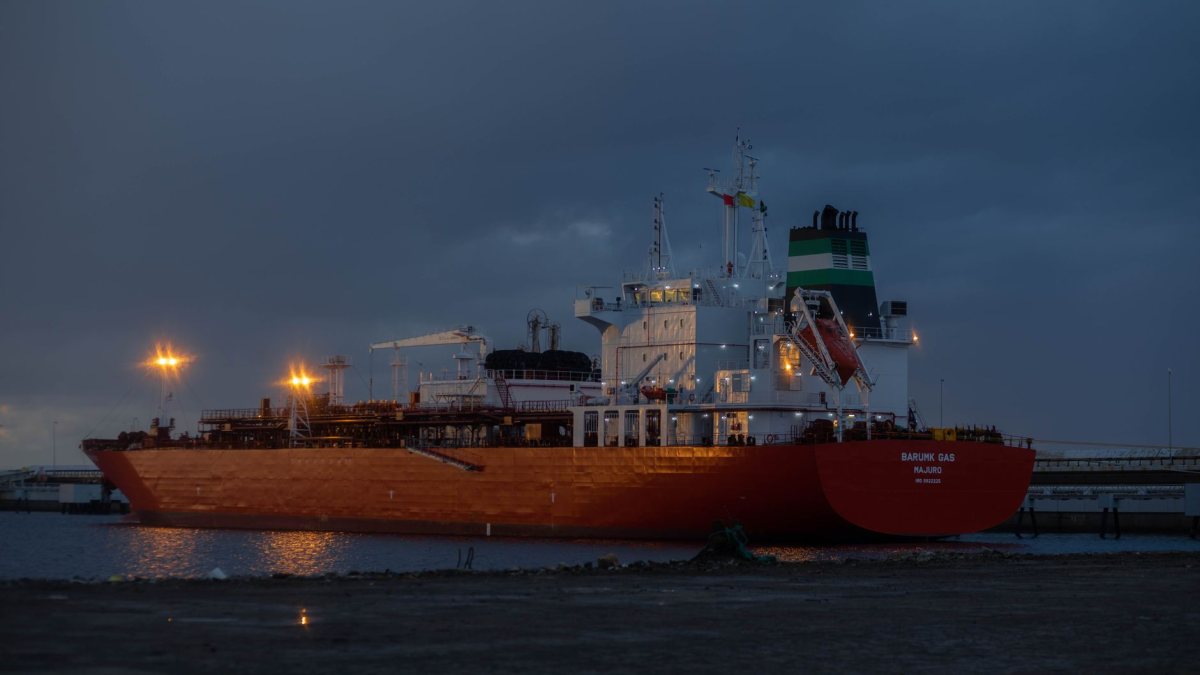
Direct strikes on commercial shipping and regional military facilities have sent crude oil prices climbing, raising fresh economic concerns for Pakistan.
A sharp escalation in military hostilities across the Middle East has rattled international energy markets following targeted strikes against commercial oil tankers and military installations in the region. The tit-for-tat exchanges have disrupted vital shipping corridors, sparking immediate concerns over global maritime security and petroleum supply chains.
The flare-up comes at a fragile juncture for developing economies, particularly Pakistan, where surging global crude benchmarks threaten to destabilise ongoing economic recovery efforts, fuel inflation, and widen the national import bill.
The latest cycle of confrontation represents a direct shift toward targeting energy infrastructure and naval routes. In recent operations, maritime assets and logistical facilities linked to regional state actors were targeted in retaliatory strikes across critical transit zones, including waters near the Persian Gulf.
Simultaneously, coordinated attacks targeted multiple commercial vessels traversing key waterways, alongside strikes against foreign military bases stationed in Jordan. These developments mark a significant broadening of the conflict, moving beyond isolated skirmishes into direct interference with international trade arteries that handle a substantial portion of the world’s seaborne crude.
International crude benchmarks experienced an immediate surge as trading desks factored in heightened geopolitical risk premiums. Brent crude approached critical psychological thresholds, reflecting severe market anxiety over the potential closure or prolonged disruption of critical chokepoints like the Strait of Hormuz.
Energy analysts note that while physical supply deficits have not yet materialised in full, the soaring cost of marine insurance, rerouting expenses around southern Africa, and maritime freight rates are already inflating landed fuel costs worldwide.
For Pakistan, any sustained surge in global oil prices presents immediate macroeconomic difficulties. As a net energy importer, the country remains highly vulnerable to shocks originating in the Middle East.
Regional powers and international bodies have urged restraint, warning that an uncontained confrontation risks dragging the broader Middle East into a wider war. Diplomatic channels are reportedly active, with intermediaries attempting to establish boundaries to prevent further attacks on neutral merchant shipping.
However, deterrence strategies remain delicate. Both state militaries and allied regional factions have indicated readiness to continue responding to perceived security breaches, leaving commercial maritime operators on high alert and prompting naval coalitions to step up patrols in contested waters.
Pakistan relies on imports from the Gulf region for the majority of its petroleum and LNG requirements. When maritime risks rise, international crude prices climb, forcing domestic authorities to raise petroleum prices at the pump to maintain fiscal balance.
Major international shipping lines and oil majors have increasingly paused transits through vulnerable corridors, opting to wait for naval escorts or taking longer, more expensive detours around the Cape of Good Hope.
While physical shortages remain unlikely in the short term due to strategic reserves and existing contracts, prolonged disruptions could delay shipment arrivals and significantly increase the overall import expenditure for Pakistani refiners.
The direct targeting of energy tankers and regional military installations marks a volatile chapter in Middle Eastern security, with immediate repercussions for global commodities. Unless major powers succeed in restoring deterrence and stability to key sea lanes, energy-importing economies like Pakistan face difficult economic balancing acts to contain imported inflation and manage external payments.
Reference: This report was compiled from publicly reported information. Original coverage: aljazeera.com.
Photo: abdo alshreef / Pexels




