Physical Address
304 North Cardinal St.
Dorchester Center, MA 02124
Physical Address
304 North Cardinal St.
Dorchester Center, MA 02124

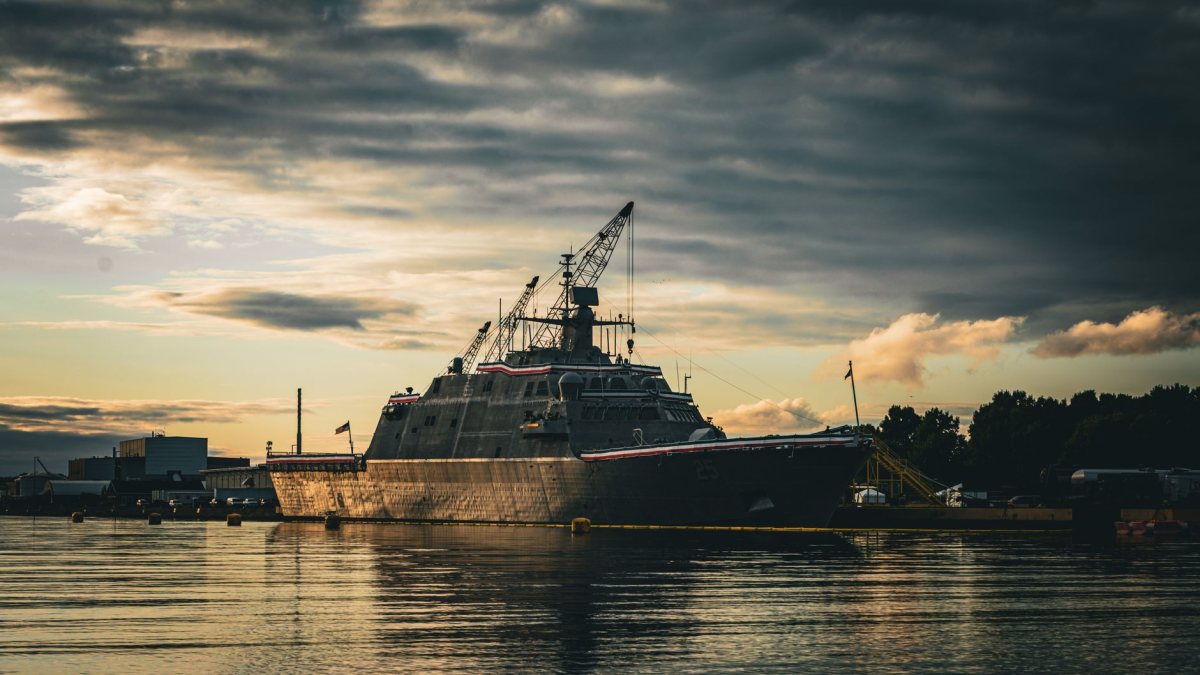
Japanese defense contractors are re-evaluating bids to support the U.S. Navy's frigate program amid strict domestic legal caps and industrial capacity strain.
Japanese maritime contractors have begun reconsidering their direct involvement in supporting the U.S. Navy’s next-generation frigate ambitions, according to defense industry sources. The hesitation marks a notable development in bilateral defense cooperation, coming at a time when Washington and Tokyo have actively sought deeper co-development and co-production ties across the Indo-Pacific region.
While Washington continues to face severe shipyard bottlenecks at home, turning to seasoned allies like Japan appeared to be a natural remedy. However, a combination of regulatory limits, strict domestic build schedules, and financial risks has prompted leading maritime engineering firms in Japan to proceed with extreme caution.
The U.S. Navy has encountered persistent delays and escalating costs in its domestic construction pipelines, notably surrounding programs like the Constellation-class guided-missile frigate. American shipyards have struggled with chronic workforce shortages, supply chain disruptions, and lingering post-pandemic production backlogs.
To counter expanding naval forces in East Asia, American officials have increasingly explored allied facilities for maintenance, repair, and potential auxiliary production. Japan’s advanced commercial and naval shipbuilding facilities, known for their punctual delivery schedules and high engineering standards, naturally emerged as top candidates to relieve some of that pressure.
Despite the strategic logic of cooperation, Japanese shipbuilders operate within a very tight domestic framework. Leading shipyards that produce major surface combatants for the Japan Maritime Self-Defense Force (JMSDF), such as the Mogami-class frigate, are already operating near peak capacity.
The Ministry of Defense has accelerated Japan’s own national defense buildup, committing hundreds of billions of yen to modernize the fleet. Shipyards face several distinct operational hurdles when considering foreign defense contracts:
While the Japanese government has gradually loosened export restrictions on military equipment—allowing the transfer of licensed defense systems such as Patriot interceptor missiles back to their country of origin—participating directly in the structural design or build of active foreign warships remains legally complex.
Japanese companies are particularly mindful of political liabilities. Entering contracts that might involve direct combat hull fabrication for an overseas military force can prompt intense parliamentary scrutiny in Tokyo, alongside pushback from local anti-war advocacy groups. Consequently, Japanese corporate boards tend to view such projects with significant legal and reputational conservatism.
A step back from direct hull construction does not signal a collapse in bilateral maritime integration. Instead, defense analysts suggest that cooperation will likely shift toward areas that carry lower regulatory friction and match existing domestic industrial goals.
Forward repair and maintenance agreements represent one viable compromise. Under evolving bilateral arrangements, Japanese yards can service non-combatant U.S. vessels or handle voyage repairs for forward-deployed warships operating out of bases such as Yokosuka or Sasebo. This keeps the alliance operationally aligned without exceeding the domestic political consensus in Tokyo.
U.S. naval shipyards are facing extensive construction delays, skilled labor deficits, and infrastructure backlogs, prompting Washington to look toward technologically capable treaty allies to help relieve manufacturing and sustainment strains.
Under current policy interpretations, complete warships configured for direct combat generally cannot be exported to third nations, though recent policy updates have permitted the transfer of components, joint development programs, and licensed items under strict guidelines.
Japanese defense firms remain focused on fulfilling domestic JMSDF procurement targets, upgrading regional deterrent capabilities, and potentially supporting allied vessels through authorized maintenance, repair, and overhaul activities in Japanese waters.
The cautious approach taken by Japan’s industrial sector underscores the enduring gap between diplomatic ambitions and operational reality. While geopolitical alignment between Washington and Tokyo is at historic highs, practical domestic factors—including workforce shortages, sovereign defense priorities, and export regulations—continue to set real boundaries for international defense manufacturing.
Reference: This report was compiled from publicly reported information. Original coverage: navalnews.com.
Photo: Alexander Hamilton / Pexels




