Physical Address
304 North Cardinal St.
Dorchester Center, MA 02124
Physical Address
304 North Cardinal St.
Dorchester Center, MA 02124

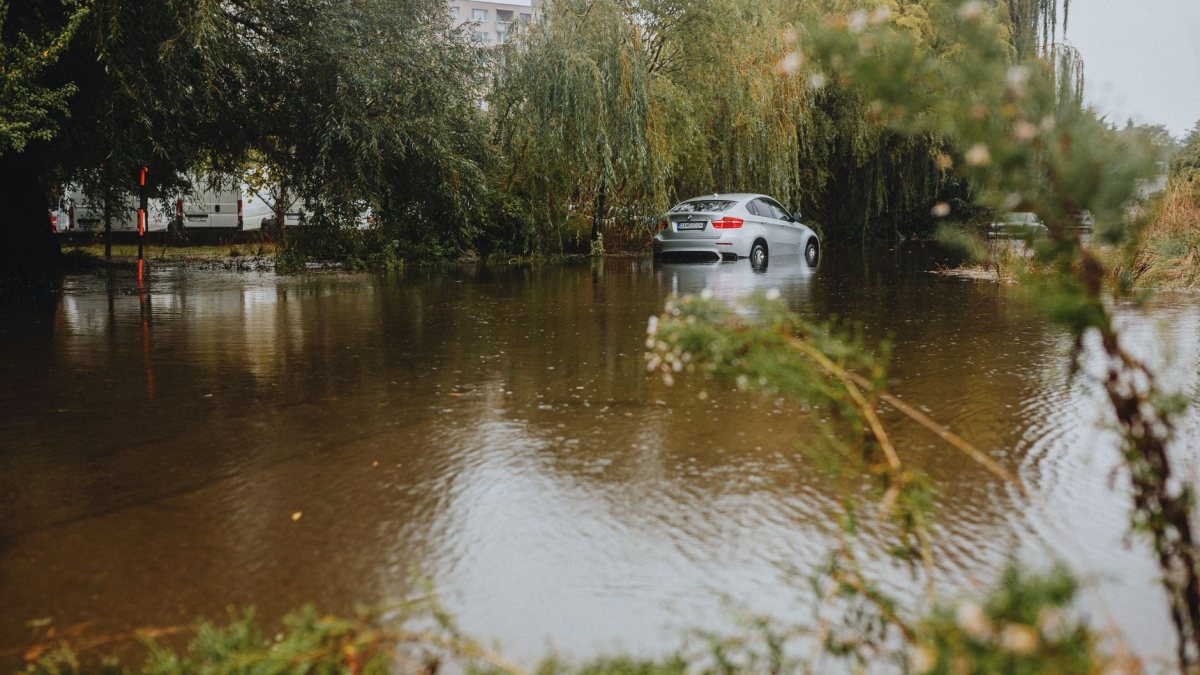
Innovative floating parking platforms emerge as a vital tool for safeguarding vehicles from rising floodwaters during Japan's increasingly severe typhoon seasons.
As climate change accelerates, Japan is facing increasingly frequent and severe weather events, with torrential rains and typhoons causing widespread urban flooding. Among the most vulnerable assets in these disasters are passenger vehicles, which are often written off entirely after being submerged in muddy water. In response to this growing threat, innovative engineering solutions are emerging to protect vehicles from rising water levels, most notably through specialized floating parking platforms.
These buoyant parking structures are designed to rise automatically as floodwaters inundate an area, keeping vehicles safely above the water line. For Japanese car owners and businesses, these systems represent a shift from passive disaster preparation to active, structural resilience, offering peace of mind in low-lying residential areas and coastal commercial zones.
In Japan, heavy downpours known as “guerrilla rainstorms” and powerful typhoons regularly overwhelm municipal drainage systems. When streets flood, parking lots quickly turn into lakes. For vehicle owners, the financial toll can be devastating, as standard automobile insurance policies do not always cover the full replacement cost of a water-damaged vehicle, and the loss of personal transportation can severely disrupt daily life during post-disaster recovery.
Furthermore, electric vehicles (EVs) and hybrids, which are becoming increasingly common on Japanese roads, face unique risks when submerged. Water intrusion can permanently damage expensive battery packs and electrical systems, raising the stakes for effective flood prevention measures in residential parking spaces.
The concept behind floating parking spots relies on simple physics combined with robust marine engineering. Instead of anchoring a vehicle to a fixed ground-level slab, these systems place the car on a specialized platform equipped with buoyant materials.
While the initial installation cost of a floating parking system is higher than a standard concrete driveway, proponents argue that the long-term savings are substantial. Replacing a modern vehicle in Japan can easily cost several million yen. For multi-car households or businesses managing commercial fleets, a single flood event can result in tens of millions of yen in losses.
Property developers are also looking at these systems as a premium feature for new residential developments in flood-prone areas, such as Tokyo’s eastern wards or low-lying districts in Osaka and Nagoya. Integrating disaster-resilient parking can significantly boost property values and attract safety-conscious tenants.
Despite the clear benefits, widespread adoption of floating parking spots faces several hurdles. Space constraints in densely populated Japanese cities mean that retrofitting existing narrow driveways can be difficult. Additionally, municipal building codes and land-use regulations must be navigated, as these structures must be certified as safe and stable during high winds that often accompany typhoons.
Maintenance is another critical factor. The moving parts, guide rails, and drainage pathways of the floating mechanism must be kept free of debris, dirt, and rust to ensure the platform rises smoothly when a flood actually occurs. Regular inspections are essential to guarantee reliability.
Most standard systems are engineered to rise between one to two meters, which covers the typical depth of urban flash floods. The maximum height is determined by the length of the vertical guide columns anchoring the platform.
No, they operate on a purely passive buoyancy principle. They do not rely on sensors, motors, or external power sources, ensuring they function even during the widespread power outages that often accompany severe storms.
Yes, the platforms are secured to heavy-duty vertical steel pillars anchored deep into the ground. These pillars are designed to resist the lateral forces of moving water and strong winds, keeping the vehicle stable and in place.
Floating parking spots represent a highly practical fusion of architecture and disaster mitigation, tailored specifically to the environmental challenges faced by modern Japan. By utilizing passive buoyancy to lift vehicles above rising tides, this technology offers a reliable shield against the financial and emotional toll of flood damage.
As climate patterns continue to shift, the adoption of such resilient infrastructure is likely to transition from a luxury novelty to a standard feature in flood-prone urban planning, helping Japanese communities better weather the storms of the future.
Reference: This report was compiled from publicly reported information. Original coverage: Car and Driver.
Photo: Helena Jankovičová Kováčová / Pexels




