Physical Address
304 North Cardinal St.
Dorchester Center, MA 02124
Physical Address
304 North Cardinal St.
Dorchester Center, MA 02124

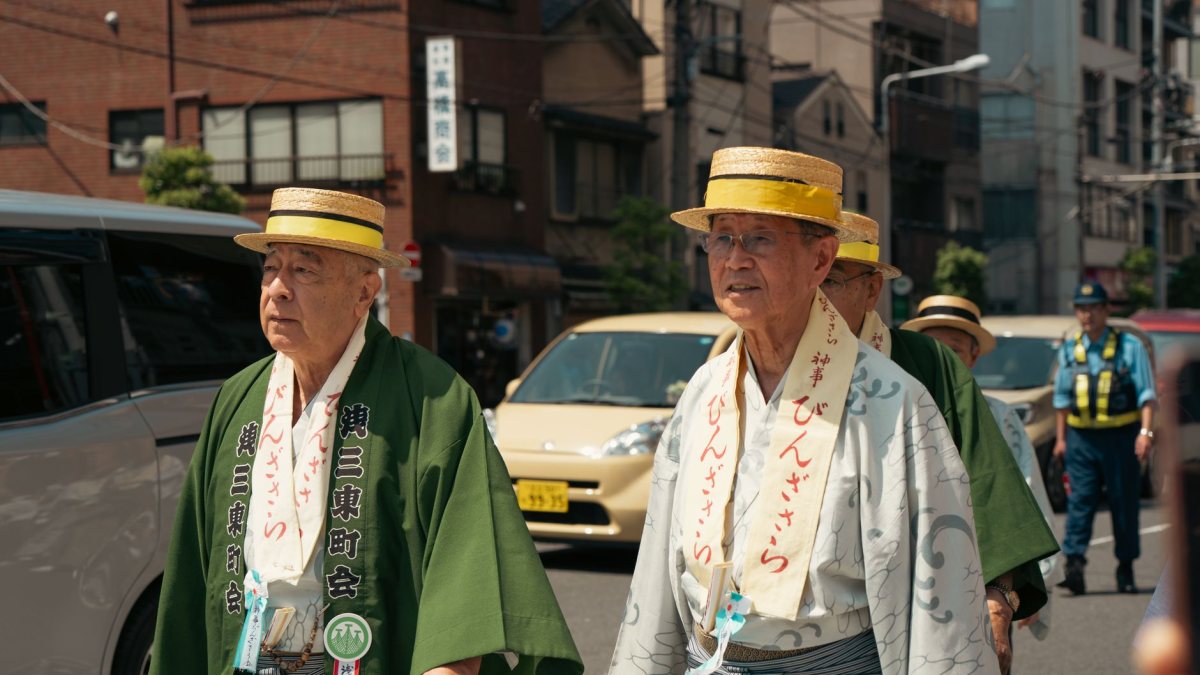
Government data shows Japan's population aged 100 and older has exceeded 100,000 for the first time, highlighting deep demographic shifts and mounting social challenges.
Japan has officially crossed a historic demographic threshold, with the national count of individuals aged 100 and older topping 100,000 for the first time. The latest registry data from welfare authorities marks a remarkable testament to modern medical care, public health infrastructure, and long-standing lifestyle traditions across the archipelago.
Yet behind this historic achievement lies a profound societal transformation. As the nation celebrates longevity on Respect for the Aged Day, policymakers, municipal administrators, and healthcare providers are confronting the increasingly complex realities of sustaining an unprecedentedly elderly populace alongside a contracting domestic workforce.
The pace of growth in Japan’s centenarian demographic has accelerated dramatically over the past several decades. When public records first began tracking the demographic in the early 1960s, centenarians numbered only in the hundreds nationwide. By the late 1990s, that figure had reached 10,000, and it has climbed steadily year after year without interruption.
As in past decades, women continue to represent the vast majority of this cohort, accounting for nearly 90 percent of all Japanese residents who have reached or exceeded their centenary year. Demographers attribute this persistent disparity to higher female life expectancy, biological factors, and lower rates of lifestyle-related ailments among older generations of women.
Japan’s capacity to support so many individuals well past their late nineties stems from several mutually reinforcing factors that have developed over the post-war era:
While extended life spans represent an extraordinary human achievement, they place intense pressure on public finances. The core challenge lies in the shifting dependency ratio: fewer working-age adults paying into public pension schemes and national health insurance, coupled with an increasing number of beneficiaries requiring specialized geriatric care.
Municipalities across Japan are finding their welfare budgets consumed by escalating medical and nursing costs. The central government has frequently debated incremental adjustments, such as modestly raising out-of-pocket co-payments for high-income pensioners or restructuring long-term nursing eligibility to preserve the sustainability of social safety nets.
Providing daily support for residents over 100 requires dedicated, labor-intensive assistance. Nursing homes, daytime care facilities, and home-visit medical providers report persistent shortages of qualified caregivers. Low wage growth in the welfare sector, coupled with the nationwide shortage of young workers, has created acute staffing shortfalls in both urban and rural prefectures.
To address this deficit, Japanese institutions are increasingly turning to dual strategies: expanding work visa pathways for foreign nursing professionals and investing in assistive robotics and digital monitoring systems. However, industry representatives emphasize that technology cannot fully replace the human touch necessary for dignified end-of-life and palliative care.
The distribution of centenarians across Japan is far from uniform. Rural prefectures, particularly in western Japan and islands such as Okinawa and Shimane, frequently report the highest concentrations of centenarians relative to their local populations. In contrast, densely populated metropolitan areas like Tokyo and Osaka report lower proportions, despite holding substantial absolute numbers.
In depopulated countryside towns, the phenomenon known as “super-aging” creates immediate logistical challenges. Local bus lines are reduced, regional clinics struggle to find replacement physicians, and family caregivers are frequently elderly themselves, caring for parents who are decades older.
Traditionally, the central government awards a commemorative silver-plated cup alongside a congratulatory certificate from the prime minister to citizens entering their centenary year, typically distributed around Respect for the Aged Day in September.
Women have a biological advantage in life expectancy that is observed worldwide, reinforced in Japan by lower historical rates of smoking and alcohol consumption among older female cohorts, alongside robust preventive healthcare practices.
The principal concerns involve the solvency of the national pension system, the financial burden of long-term care insurance, and severe labor shortages in hospitals, residential homes, and community services.
Surpassing 100,000 centenarians is an extraordinary milestone that affirms Japan’s place as a global leader in public health, nutrition, and community well-being. It reflects generations of peace, stable public health measures, and accessible medical treatment.
Nevertheless, the achievement demands structural pragmatism. Ensuring that centenarians enjoy health, dignity, and independence while maintaining social security for future generations remains one of the most critical policy tests facing Japan today.
Reference: This report was compiled from publicly reported information. Original coverage: CNN.
Photo: Iban Lopez Luna / Pexels




