Physical Address
304 North Cardinal St.
Dorchester Center, MA 02124
Physical Address
304 North Cardinal St.
Dorchester Center, MA 02124

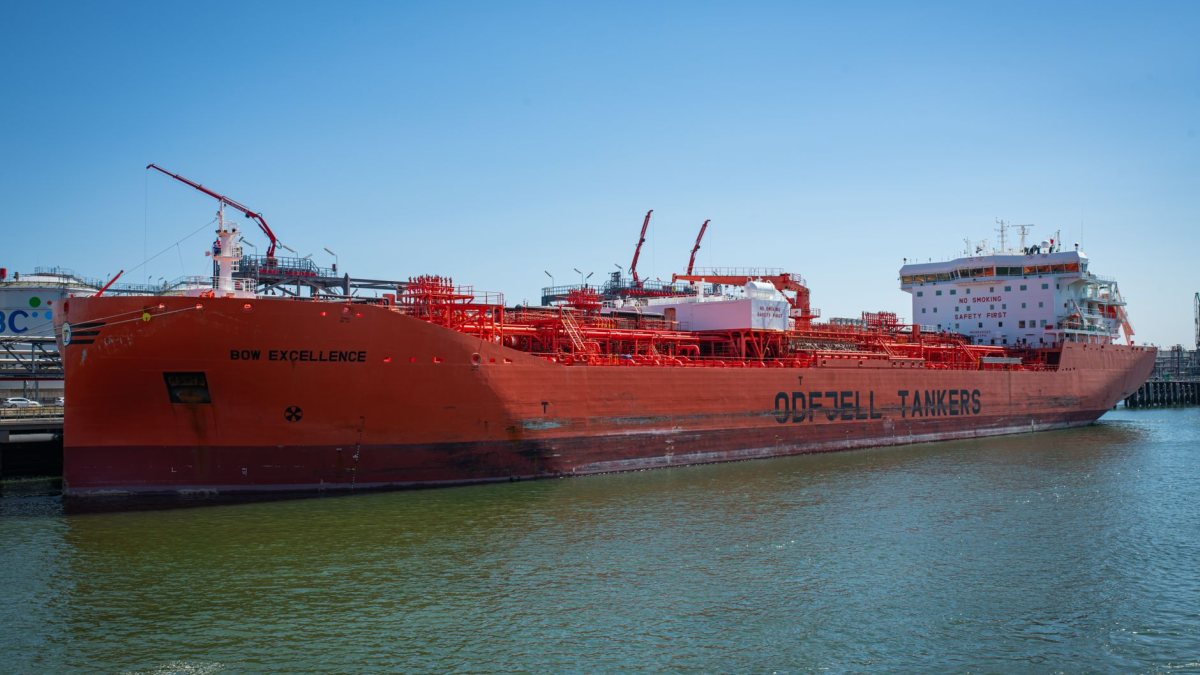
Maritime security concerns in regional waters raise global oil prices, prompting regional authorities and energy producers to heighten vigilance.
Heightened friction across critical waterways in the Middle East has once again placed international maritime trade and global energy supplies under sharp scrutiny. Reports of direct confrontations and targeted strikes on commercial vessels and energy infrastructure have prompted security alerts across shipping corridors in the Gulf and surrounding seas.
For energy-producing nations in the region, including the United Arab Emirates, maintaining open sea lanes and secure navigation remains a critical economic and security priority. Global crude benchmarks experienced sharp upward movements following the latest developments, reflecting market unease over potential supply interruptions through vital transit choke points.
The Strait of Hormuz, located along the northern coastline of the UAE, handles roughly a fifth of the world’s daily petroleum consumption. Any direct threat or military action in these narrow waters quickly reverberates across international supply chains, driving up maritime insurance premiums and freight charges for commercial operators.
Recent incidents involving naval operations and retaliatory actions against maritime transport have amplified existing concerns over freedom of navigation. Regional defense authorities and international maritime coalitions have increased patrols to deter further disruptions and ensure commercial vessels can transit securely between the Arabian Gulf and open waters.
While crude price rallies can bolster government revenues for major exporters in the short term, prolonged geopolitical volatility creates broader economic challenges. Rising transportation and insurance costs inevitably feed into global supply chains, affecting import-heavy economies and raising operational expenses for local logistics hubs in Dubai and Abu Dhabi.
Key economic areas sensitive to prolonged maritime disruptions include:
Over the past two decades, Gulf nations have invested heavily in infrastructure to mitigate the risks associated with maritime choke points. The UAE, for instance, operates the Habshan–Fujairah crude pipeline, which connects onshore oil fields directly to export terminals on the Gulf of Oman, allowing shipments to bypass the Strait of Hormuz entirely.
Similar strategic investments in domestic storage and expanded pipeline capacities provide a buffer against temporary maritime blockades. Nonetheless, international markets remain deeply sensitive to any escalation that could outpace existing alternative infrastructure.
Regional diplomacy continues to prioritize conflict de-escalation and maritime stability. The UAE and neighboring states have consistently advocated for constructive dialogue, international legal compliance, and multilateral frameworks to maintain security in regional waters.
International powers regularly seek diplomatic backchannels during periods of sharp military posturing, aiming to prevent miscalculations at sea from broadening into wider regional conflicts. Observers note that while rhetoric often intensifies during maritime standoffs, sustained diplomatic engagement remains essential to establishing predictable rules of engagement.
Higher maritime insurance rates and fuel surcharges can lead to elevated import costs for consumer goods, construction materials, and food products, though strategic reserves and diversified trade routes help cushion immediate domestic impacts.
Located on the eastern coast of the UAE outside the Strait of Hormuz, Fujairah offers direct access to the Indian Ocean, enabling continuous oil exports and bunkering services even during heightened tensions in inner Gulf waters.
Regional coast guards and international maritime task forces maintain constant monitoring, issue updated security advisories, and conduct coordinated patrols to safeguard merchant shipping across key transit corridors.
Recent maritime escalations underscore the enduring vulnerability of global energy arteries to regional security dynamics. While infrastructure buffers and alternative export routes provide vital protection, long-term stability hinges on maintaining open waterways and de-escalating military confrontations through diplomatic channels.
Reference: This report was compiled from publicly reported information. Original coverage: NPR.
Photo: Oleksiy Yeshtokyn,🌻🇺🇦🌻 / Pexels




