Physical Address
304 North Cardinal St.
Dorchester Center, MA 02124
Physical Address
304 North Cardinal St.
Dorchester Center, MA 02124

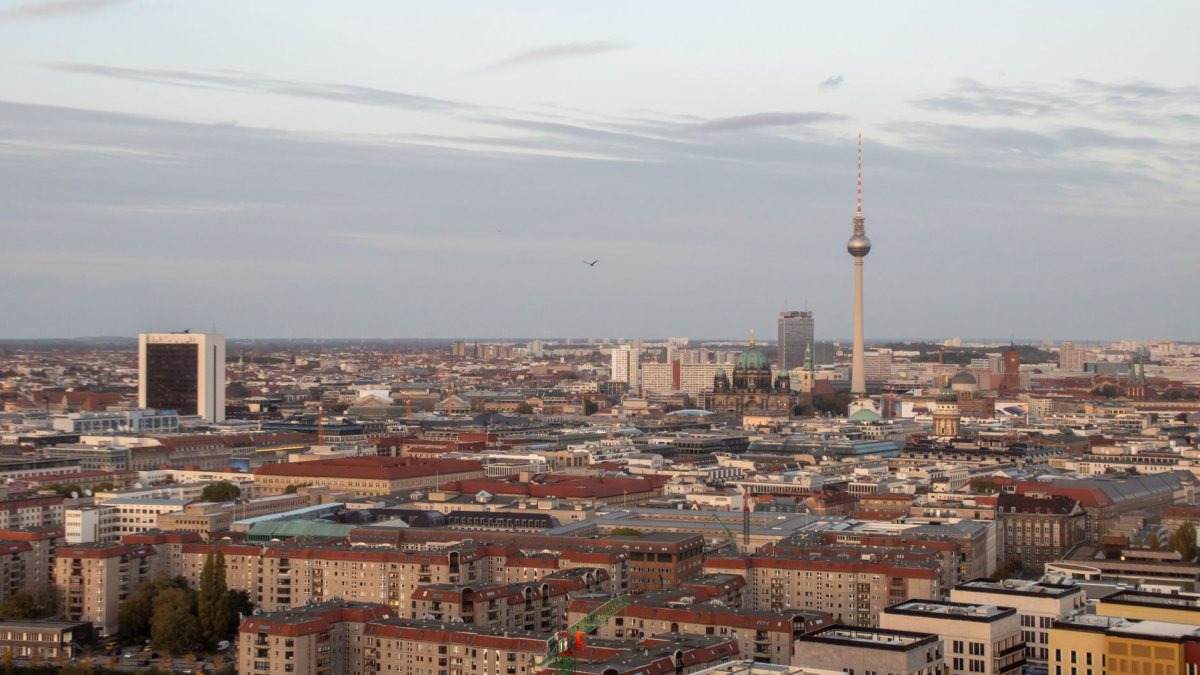
A major bilateral agreement will see billions of euros in Emirati capital flow into German industry, green energy, and infrastructure projects over the coming years.
The United Arab Emirates has committed to investing approximately €40 billion into the German economy, marking a significant milestone in bilateral economic relations. The massive capital injection, agreed upon during a series of high-level business summits, is set to target key sectors including renewable energy, advanced technology, and industrial infrastructure.
For Germany, which is currently navigating a period of economic stagnation and structural transition, the influx of Gulf capital offers a timely boost. The agreement is accompanied by a suite of commercial deals between German industrial giants and Emirati state-backed enterprises, underscoring a deepening partnership between the two nations.
The multi-billion-euro commitment represents a strategic alignment of interests. While the UAE is actively seeking to diversify its sovereign wealth portfolio away from fossil fuels, Germany is in urgent need of external investment to modernize its industrial base and accelerate its transition toward climate neutrality.
Economic analysts point out that this deal goes beyond simple financial investment. It establishes a framework for long-term technological cooperation. German engineering expertise will be paired with Emirati capital, potentially opening up new export markets for German firms in the Middle East and North Africa region.
The capital is expected to be distributed across several critical areas of the German economy. Rather than focusing solely on traditional manufacturing, the agreement places a heavy emphasis on future-oriented industries.
This agreement comes at a critical juncture for Germany. Facing high energy costs and structural challenges since the disruption of Russian gas supplies, Berlin has been actively seeking new international partners. The Gulf states have emerged as vital allies, not only for immediate energy security but also as long-term investment partners.
For the UAE, investing in Europe’s largest economy provides stable, long-term yields and cements its status as a global financial powerhouse. The move is also seen as a way for the Gulf nation to integrate itself deeper into European supply chains, securing its own economic future in a post-oil world.
In transactions of this scale, the announcement is typically the first step in a multi-year process. Over the coming months, specific investment vehicles and joint ventures will be established to channel the funds into concrete projects. Regulatory bodies in both Germany and the European Union will also review the proposed deals to ensure compliance with competition laws and national security guidelines regarding foreign direct investment.
While the investment is directed at large-scale corporate and infrastructure projects, the long-term goal is to secure high-skilled jobs and stimulate economic growth, which can lead to improved public infrastructure and energy security.
All major foreign investments in critical infrastructure are subject to strict vetting by the German Federal Ministry for Economic Affairs and Climate Action to ensure they do not compromise national security or technological sovereignty.
Implementation is expected to be gradual. While some commercial contracts will take effect immediately, larger infrastructure and green energy projects will require detailed planning and regulatory approvals, likely spanning several years.
The €40 billion investment pledge from the UAE is a powerful vote of confidence in the long-term viability of the German economy. While Germany faces significant short-term structural headwinds, its robust legal framework, skilled workforce, and technological leadership remain highly attractive to global investors. If executed successfully, this partnership could serve as a blueprint for how traditional industrial powers can leverage global capital to fund their green transition.
Reference: This report was compiled from publicly reported information. Original coverage: Reuters.
Photo: Sven Förter / Pexels




