Physical Address
304 North Cardinal St.
Dorchester Center, MA 02124
Physical Address
304 North Cardinal St.
Dorchester Center, MA 02124

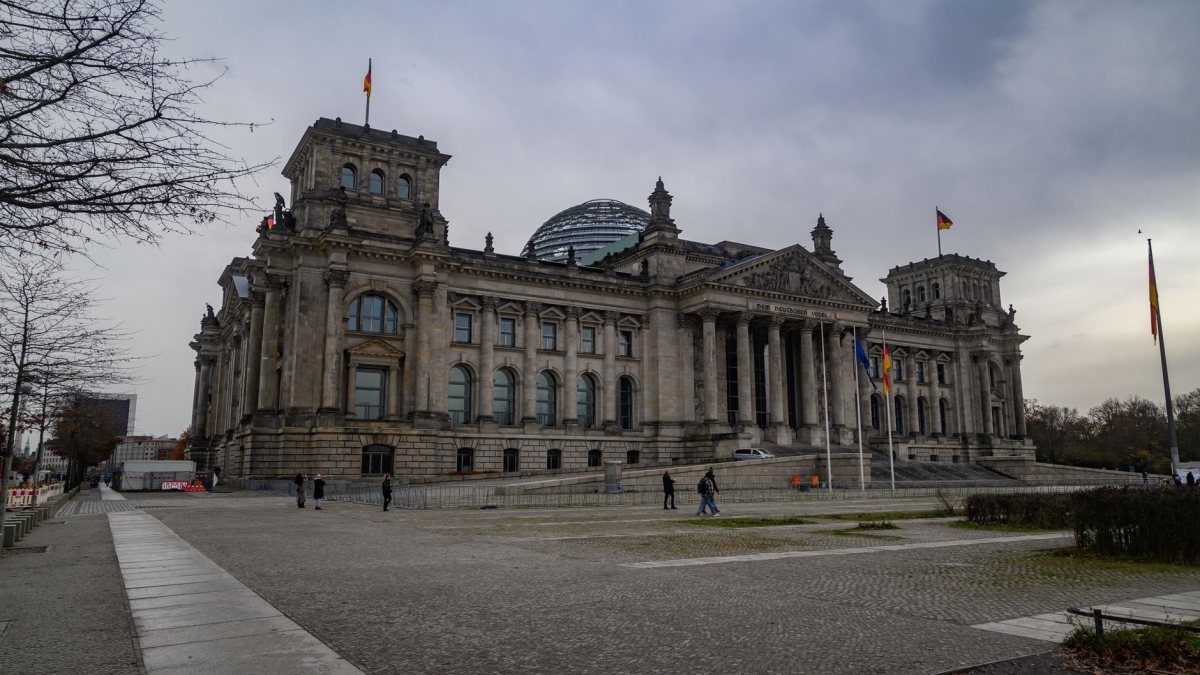
Recent electoral gains by populist parties in eastern Germany are raising questions about the future of Berlin's military and financial aid to Kyiv.
Recent state elections in eastern Germany have sent shockwaves through the federal political landscape in Berlin. The strong performance of alternative and populist parties, which have run on platforms highly critical of Germany’s current foreign policy, has forced a domestic debate over the country’s long-term commitment to supporting Ukraine.
While foreign policy is constitutionally determined at the federal level rather than by individual states, the electoral outcomes in Saxony and Thuringia are already influencing the national discourse. As Chancellor Olaf Scholz’s coalition government navigates low approval ratings, the pressure to address voter skepticism regarding military aid is mounting ahead of the next federal election.
The electoral gains of the Alternative for Germany (AfD) and the newly formed Bündnis Sahra Wagenknecht (BSW) highlight a significant geographical divide in German public opinion. Both parties, despite representing opposite ends of the traditional political spectrum, share a skeptical stance toward Western military intervention and the delivery of heavy weaponry to Kyiv.
In the former East Germany, historical ties with Russia and a distinct political culture have fostered a more cautious approach to security policy. Many voters in these regions express deep concern over the risk of direct escalation between NATO and Russia, viewing Berlin’s current stance as overly confrontational.
Under the German federal system, state governments have no direct control over defense spending or international alliances. Decisions regarding Leopard tanks, air defense systems, and financial aid packages remain firmly in the hands of the Bundestag and the federal chancellery. However, the federal government cannot entirely ignore the mood of the electorate.
With federal elections scheduled for autumn 2025, mainstream parties are closely analyzing the state results. To prevent further losses to populist factions, some moderate politicians have begun suggesting a greater emphasis on diplomatic initiatives alongside military support, signaling a subtle shift in the political rhetoric.
The BSW has emerged as a crucial wildcard in German politics. Unlike the AfD, with whom mainstream parties refuse to form coalitions, the BSW is seen as a potential partner for traditional parties looking to build stable state governments in the east. However, the party’s leadership has made its participation conditional on foreign policy demands.
Among the key positions held by the BSW are:
By tying state-level coalition talks to federal foreign policy positions, the BSW is successfully pushing these international issues to the forefront of domestic political negotiations.
Germany is currently the second-largest donor of military aid to Ukraine, trailing only the United States. Any perceived reduction or hesitation in Berlin’s support could have significant consequences for the broader European coalition. European allies are watching the developments closely, concerned that domestic political instability in Germany could weaken the continent’s unified stance.
Furthermore, the debate comes at a time when Germany is struggling with budgetary constraints. The government is attempting to balance its constitutional “debt brake” with the rising costs of defense modernization and international aid, making the allocation of funds to Ukraine a prime target for political debate.
No. Foreign and defense policies are exclusively federal matters in Germany. State governments cannot veto weapons deliveries or international treaties.
Historical factors, different socialization during the Cold War era, and a general distrust of federal institutions contribute to a more cautious view of NATO and military engagement in the east.
Reference: This report was compiled from publicly reported information. Original coverage: The Christian Science Monitor.
Photo: Osviel Rodriguez Valdés / Pexels




