Physical Address
304 North Cardinal St.
Dorchester Center, MA 02124
Physical Address
304 North Cardinal St.
Dorchester Center, MA 02124

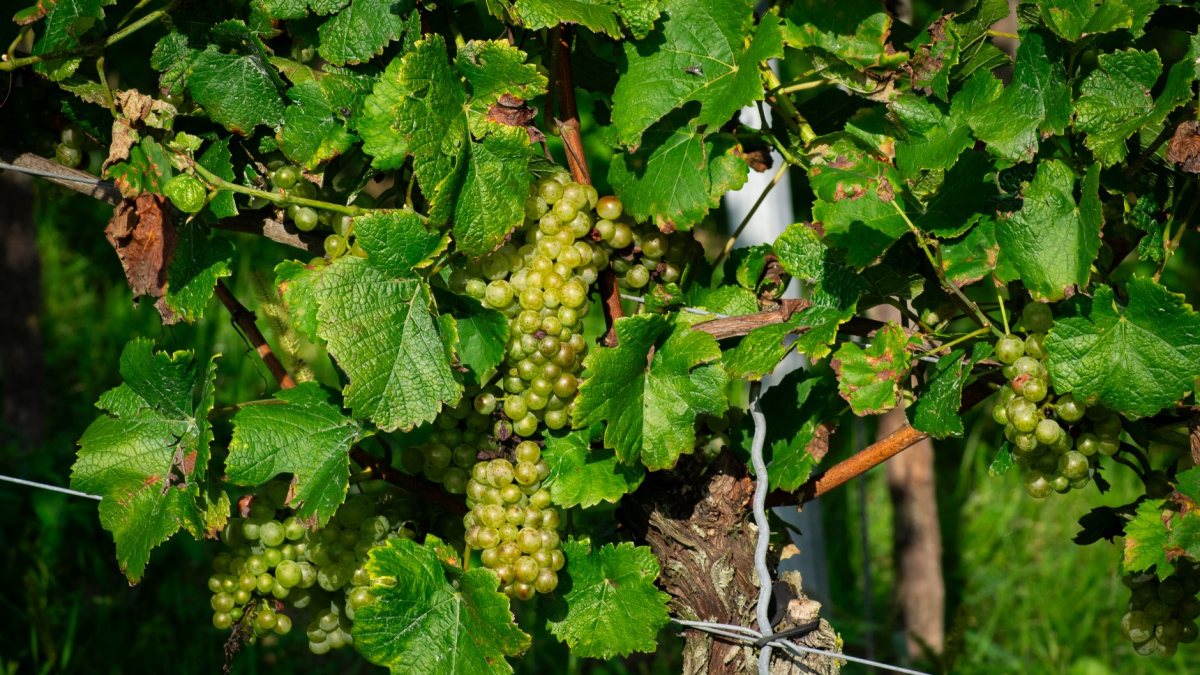
French regulators have relaxed strict alcohol ceiling limits for Champagne production following an unusually warm summer across the region.
French agricultural authorities have approved adjustments to the strict production criteria governing Champagne, raising the traditional upper limit on alcohol levels after consecutive periods of unseasonable heat altered grape ripening across the north-eastern region.
The decision by the national appellation body provides immediate flexibility to growers and houses facing higher sugar concentrations in their fruit, illustrating how shifting weather patterns are directly reshaping one of the country’s most closely protected agricultural traditions.
Winemaking in Champagne operates under demanding standards overseen by the Institut National de l’Origine et de la Qualité (INAO). These regulations govern everything from allowable grape varieties and pruning techniques to harvest timing and potential alcohol volume. Traditionally, the maximum allowable alcohol by volume for finished Champagne has hovered around 13%, reflecting the naturally crisp, high-acid profile historically produced by the region’s cool, northern climate.
However, recent summer heatwaves and extended periods of intense sunshine have driven faster photosynthesis in the vines. When grapes mature under sustained high temperatures, their acid levels drop while natural sugars surge. Because yeast converts these sugars directly into alcohol during fermentation, base wines naturally reach higher percentages before blending and secondary fermentation occur.
Without a regulatory adjustment, vintners whose harvested fruit yields potential alcohol above previous statutory ceilings would risk losing the coveted Champagne designation. By lifting or providing temporary exemptions to the maximum alcohol threshold, authorities aim to ensure that high-quality harvests are not disqualified solely due to climate-driven sugar spikes.
Industry representatives have stressed that modifying technical limits is a pragmatic response rather than a fundamental shift in wine style. The change allows cellarmasters to work with the fruit as it ripens under contemporary weather conditions, preventing unnecessary waste and legal friction during the vinification process.
While higher sugar levels might once have been welcomed in cooler decades, modern producers face a delicate balancing act to maintain the signature freshness and elegance expected of Champagne. The adjustments require winemakers to refine their vineyard management and cellar practices.
The situation in Champagne reflects wider challenges across France’s celebrated wine regions, from Bordeaux and Burgundy to the Rhône Valley and the Languedoc. Across the country, rising average temperatures are compressing harvesting calendars and shifting the chemical composition of grapes.
In response, regional bodies are reviewing long-standing appellation frameworks. While some areas are experimenting with drought-resistant rootstocks or newly authorised grape varieties, others are rethinking yield caps, irrigation rules, and cellar interventions to adapt to longer, drier summers.
Most producers aim to keep the flavour profile consistent by carefully blending base wines and adjusting dosage levels. While some cuvées may show slightly more body or roundness, the goal remains preserving the customary freshness and balance of the wine.
Warm temperatures accelerate the accumulation of natural sugars inside the grape pulp. During the winemaking process, yeast consumes this sugar and converts it into ethanol; higher initial sugar content inevitably results in a higher final alcohol concentration.
Regulatory bodies often introduce such measures as flexible provisions or formal revisions to the regional specifications. Authorities and industry committees continue to evaluate long-term data before determining permanent structural changes to appellation guidelines.
The decision to ease alcohol ceilings for Champagne highlights the accelerating pressure climate changes place on historic agricultural frameworks. By modernising century-old specifications, French regulators are equipping producers with the regulatory leeway required to navigate increasingly volatile growing seasons.
As harvests across France continue to shift earlier in the calendar, the wine industry’s future will depend on balancing strict heritage standards with practical flexibility to safeguard both quality and regional authenticity.
Reference: This report was compiled from publicly reported information. Original coverage: BBC.
Photo: Fabrice Büsching / Pexels




