Physical Address
304 North Cardinal St.
Dorchester Center, MA 02124
Physical Address
304 North Cardinal St.
Dorchester Center, MA 02124

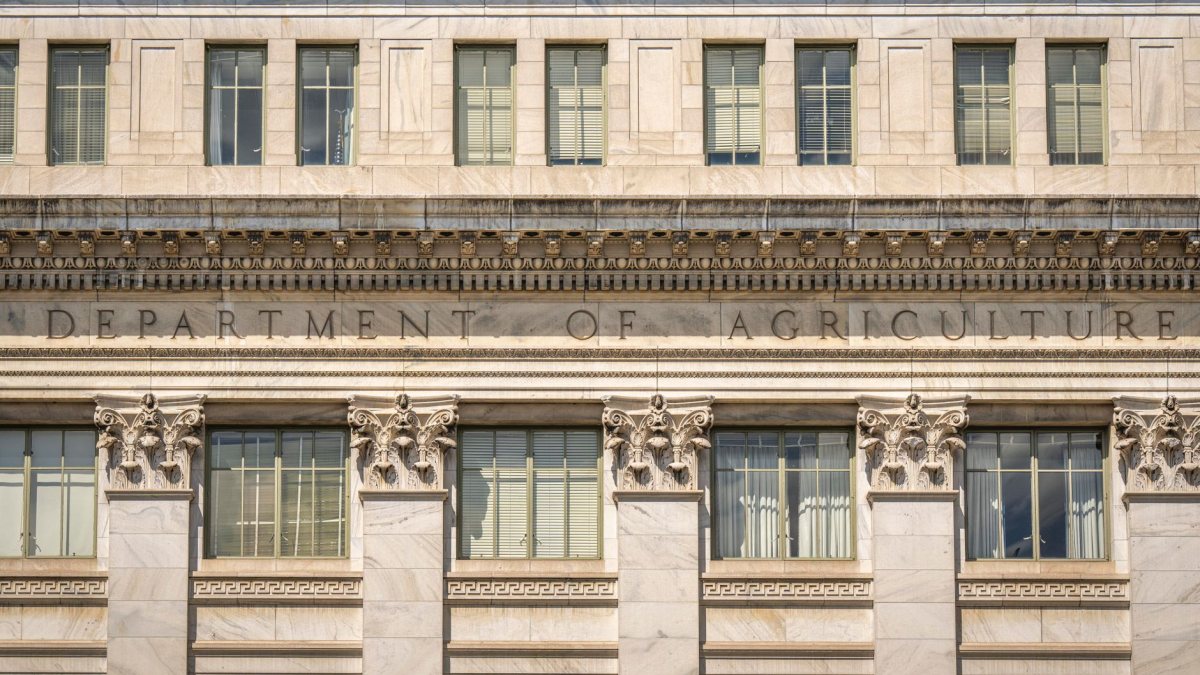
The Federal Reserve has announced its first interest rate hike in three years as central bankers move to cool consumer prices and stabilize the U.S. economy.
The Federal Reserve announced a pivotal shift in monetary policy on Wednesday, approving its first interest rate increase in three years. Central bank officials voted to raise the benchmark federal funds rate as part of a targeted strategy to cool elevated consumer prices and bring inflation back toward the central bank’s long-term target.
The move marks the formal end of an era of near-zero interest rates that was instituted to support economic growth during recent disruptions. With labor markets remaining tight and price pressures affecting everyday goods, policymakers decided that economic conditions now warrant a gradual tightening of monetary credit across the nation.
Central bankers have been weighing the balance between curbing rising costs and maintaining stable economic expansion. Inflationary pressures have lingered across key sectors, driven by supply chain bottlenecks, elevated energy costs, and robust domestic consumer demand. By increasing borrowing costs, the Fed aims to temper demand enough to slow down price increases without triggering an economic contraction.
The decision reflects growing consensus among members of the Federal Open Market Committee that low interest rates are no longer necessary to stimulate the economy. Officials signaled that additional incremental rate increases may be appropriate in the coming months, depending on how economic indicators evolve over the remainder of the year.
A change in the federal funds rate directly influences commercial banking rates across the country, affecting everything from personal credit cards to business development loans. While the central bank does not set commercial loan terms directly, banks adjust their prime lending rates in response to the Fed’s baseline shifts.
Consumers and small business owners are likely to notice the effects of higher interest rates across several financial products:
Policymakers face a delicate task in managing this transition. If the central bank raises rates too quickly, it risks chilling business investment and slowing job growth. Conversely, moving too slowly could allow inflationary expectations to become entrenched, making future price spikes harder to manage.
Economists often refer to a successful middle ground as a soft landing, where inflation moderates back to healthy levels while unemployment remains low and gross domestic product continues to grow. Financial analysts will closely watch upcoming monthly reports on employment, retail sales, and consumer price indexes to gauge whether current monetary adjustments are having the intended effect.
Financial markets had broadly anticipated a rate increase in the weeks leading up to the announcement. Wall Street stock indexes experienced moderate volatility immediately following the statement release, reflecting investors digesting both the current rate change and the central bank’s projections for future economic conditions.
International markets and sovereign currencies are also affected by changes in U.S. monetary policy. A higher yield environment in the United States often strengthens the dollar relative to foreign currencies, which can lower the cost of imports for American consumers while making domestic exports more expensive abroad.
The central bank implemented the rate increase to address ongoing inflation that has remained well above its standard 2% target. With employment levels holding steady, officials determined that reducing economic stimulus was necessary to stabilize domestic consumer prices.
The impact is often felt almost immediately on variable-rate credit cards and short-term borrowing lines. However, broader macroeconomic impacts, such as changes in home buying activity and overall price trends, typically take several months to fully materialize across the broader economy.
Financial advisors generally recommend paying down high-interest balances, such as credit card debt, as quickly as possible when rates begin to rise. Borrowers may also want to explore locking in fixed interest rates on variable loans whenever practical.
The Federal Reserve’s decision to hike interest rates represents a significant turning point in national economic strategy, moving away from extraordinary crisis-era stimulus toward policy normalization. While higher borrowing costs present short-term challenges for consumers seeking loans or managing variable debt, central bankers consider these measures necessary to protect long-term purchasing power and ensure sustainable economic growth.
Reference: This report was compiled from publicly reported information. Original coverage: CNBC.
Photo: Mark Stebnicki / Pexels