Physical Address
304 North Cardinal St.
Dorchester Center, MA 02124
Physical Address
304 North Cardinal St.
Dorchester Center, MA 02124

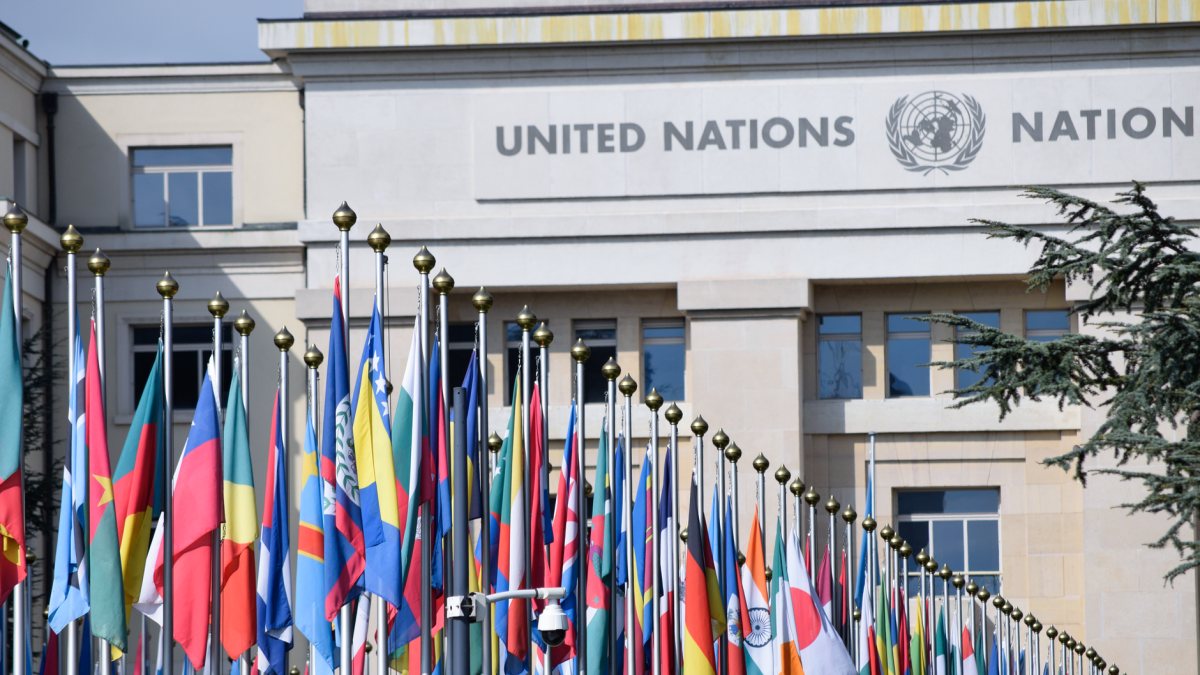
European nations are increasingly coordinating diplomatic pressure on Israel, marking a significant foreign policy departure from the United States.
European governments are increasingly coordinating their diplomatic strategies to exert pressure on Israel over its ongoing military campaigns and humanitarian policies. This emerging consensus represents a notable shift in the geopolitical landscape, as European capitals move away from the traditional, more cautious approach favored by the United States.
For readers in France and across the continent, this development signals a growing willingness by Brussels, Paris, and other European capitals to assert an independent foreign policy. By leveraging diplomatic channels, trade discussions, and international forums, Europe is seeking to play a more active role in shaping the outcome of the Middle East crisis.
Historically, Western powers have maintained a largely unified front regarding Middle East security. However, the scale of the current conflict has strained this consensus. While Washington continues to provide substantial military and diplomatic support to Israel, European nations are increasingly focusing on the humanitarian situation and the necessity of a long-term political solution.
This divergence is not merely rhetorical. European leaders are utilizing international institutions, such as the United Nations and the International Criminal Court, to emphasize the rule of law and international humanitarian standards. This approach contrasts with the US tendency to shield Israel from multilateral pressure, creating a visible diplomatic gap between the transatlantic allies.
Several factors explain why European nations are adopting a more assertive stance compared to their American counterparts:
France has played a pivotal role in organizing this collective European response. President Emmanuel Macron and French diplomats have consistently called for immediate ceasefires, increased aid delivery, and a renewed commitment to a two-state solution. Paris has also hosted international humanitarian conferences aimed at rallying aid and coordinating diplomatic pressure.
Other European nations, notably Spain and Ireland, have gone even further by formally recognizing Palestinian statehood. This coordinated momentum has forced the European Union as a whole to reconsider its trade agreements and political dialogues with Israel, demonstrating that the continent is willing to use its economic leverage.
The Israeli government has criticized the European initiatives, arguing that unilateral diplomatic pressure undermines its right to self-defense and complicates hostage negotiations. Israeli officials have urged European capitals to maintain a united front with the United States to prevent regional adversaries from exploiting Western divisions.
Meanwhile, the US administration finds itself in a delicate position. While Washington prefers to manage the crisis through direct, quiet diplomacy with Israeli leadership, it must acknowledge the growing isolation of its position on the global stage. The transatlantic rift complicates broader Western cooperation on other global issues, including security in Eastern Europe and relations with China.
Europe is more directly affected by Middle East instability due to geography, domestic public opinion, and a stronger diplomatic commitment to multilateral institutions and international law than the United States currently exhibits.
Europe can review its Association Agreement with Israel, restrict certain exports, support international legal proceedings, and provide unilateral or coordinated diplomatic recognition to Palestinian authorities.
While this represents a significant policy disagreement, the broader security and economic alliance between Europe and the US remains strong, though it highlights a more multipolar approach to global crises.
The emerging unity among European nations to pressure Israel marks a defining moment in contemporary diplomacy. By distancing themselves from Washington’s strategy, European leaders are attempting to establish the continent as an independent, principled actor in global affairs, committed to international law and humanitarian standards.
Whether this European pressure will successfully alter the course of the conflict remains to be seen. However, the shift guarantees that future peace negotiations and regional security frameworks will require a more balanced approach that satisfies both American and European expectations.
Reference: This report was compiled from publicly reported information. Original coverage: The New York Times.
Photo: Xabi Oregi / Pexels




