Physical Address
304 North Cardinal St.
Dorchester Center, MA 02124
Physical Address
304 North Cardinal St.
Dorchester Center, MA 02124

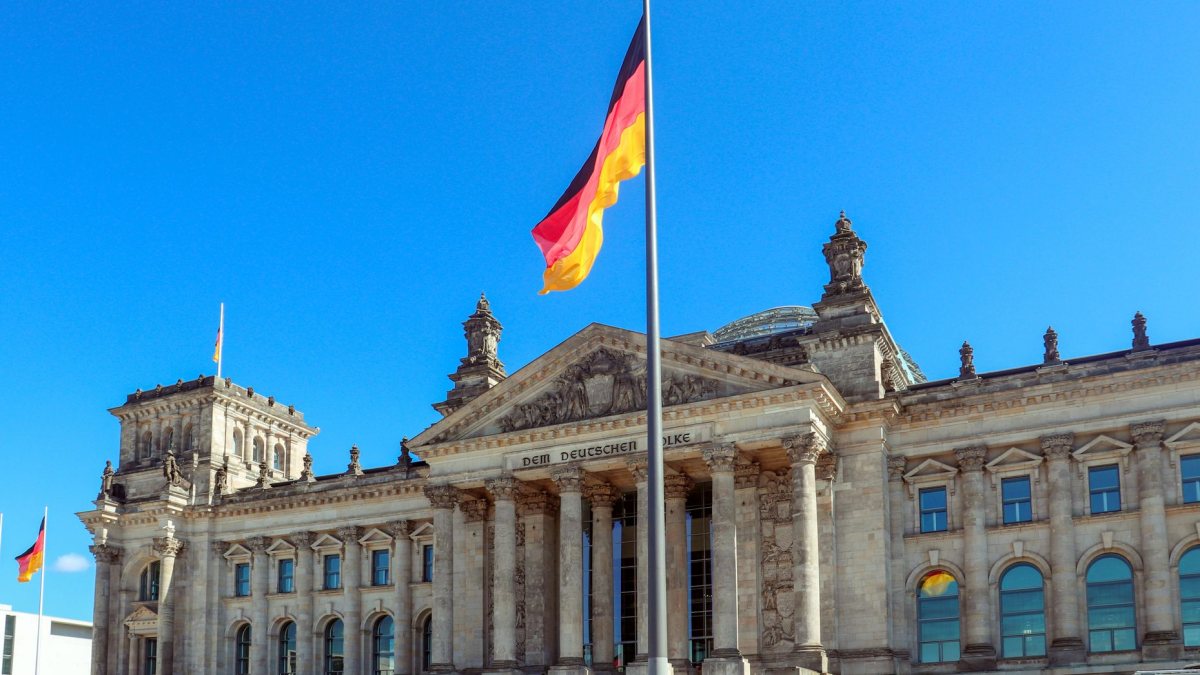
A look at the underlying economic and social factors driving electoral support for the Far-Right in Germany's eastern federal states.
Decades after the reunification of Germany, the political landscape in the country’s eastern federal states continues to present distinct characteristics compared to the west. Recent state and local elections have underlined a sustained surge in support for the Alternative for Germany (AfD), raising ongoing questions among political analysts and commentators about the root causes of this ideological shift.
While mainstream political commentary frequently attributes these electoral outcomes to historical trajectories or a distinct political culture shaped by the former German Democratic Republic (GDR), socio-economic research suggests a more complex set of drivers. Structural economic transitions, demographic changes, and a persistent perception of political marginalisation play central roles in shaping voter behavior in the region.
The economic restructuring that followed the fall of the Berlin Wall in 1989 involved rapid privatization and the closure of numerous state-owned enterprises. While reunification brought political freedom and substantial infrastructure investment, it also resulted in widespread job losses and industrial decline across eastern Germany during the 1990s.
Many communities experienced a loss of economic security that left long-lasting social scars. Although regional economies have stabilized in recent years, wage disparities between eastern and western states persist, alongside a lower concentration of corporate headquarters and higher-paying industrial positions in the east.
Beyond economic indicators, demographic trends have significantly altered the social fabric of eastern towns and rural districts. Following reunification, millions of residents, particularly younger and highly educated individuals, migrated to western Germany in search of better career opportunities.
This sustained brain drain has contributed to an aging population and localized labor shortages in several eastern regions. In addition, the consolidation of public services—such as the closure of local railway lines, post offices, and medical facilities—has fostered a sense of abandonment in smaller municipalities, creating fertile ground for populist political messaging.
Studies on civic engagement indicate lower levels of trust in traditional political institutions, mainstream media, and established political parties in the eastern states compared to the national average. This sentiment is often linked to the structural underrepresentation of eastern Germans in leadership positions across federal administration, business, judiciary, and academia.
Populist movements, including the AfD, have capitalized on this frustration by positioning themselves as champions of regional identity and critics of the political establishment in Berlin. Key elements contributing to voter alignment with the party include:
Discussions regarding eastern German voting behavior often spark debate between commentators who emphasize the influence of historical authoritarian traditions and those who highlight modern socio-economic grievances. Critics of the historical continuity thesis argue that framing eastern voters as inherently undemocratic overlooks legitimate policy concerns and deepens regional divisions.
Observers note that high voter turnout in recent eastern state elections reflects active civic participation, albeit channeled through anti-establishment options. Understanding these dynamics requires examining contemporary federal policies as much as historical heritage.
The party benefits from higher levels of institutional distrust, persistent socio-economic disparities, demographic shifts caused by post-reunification emigration, and dissatisfaction with central government policies regarding immigration and energy.
Yes, structural statistical data shows that average gross earnings in the eastern federal states remain below those in western Germany, partly due to fewer large corporate headquarters and lower collective bargaining coverage in the region.
Established parties are attempting to address these voter concerns by increasing targeted investments in regional infrastructure, decentralizing federal agencies, and adjusting political outreach strategies in rural and eastern districts.
The rising support for the AfD in eastern Germany is the result of a multifaceted interaction between post-reunification economic adjustments, demographic trends, and deep-seated perceptions of political underrepresentation. Rather than relying on simplistic historical explanations, addressing the underlying factors requires targeted policy measures that focus on regional infrastructure, economic parity, and inclusive civic dialogue.
Reference: This report was compiled from publicly reported information. Original coverage: The Guardian.
Photo: Claudia Solano / Pexels




