Physical Address
304 North Cardinal St.
Dorchester Center, MA 02124
Physical Address
304 North Cardinal St.
Dorchester Center, MA 02124

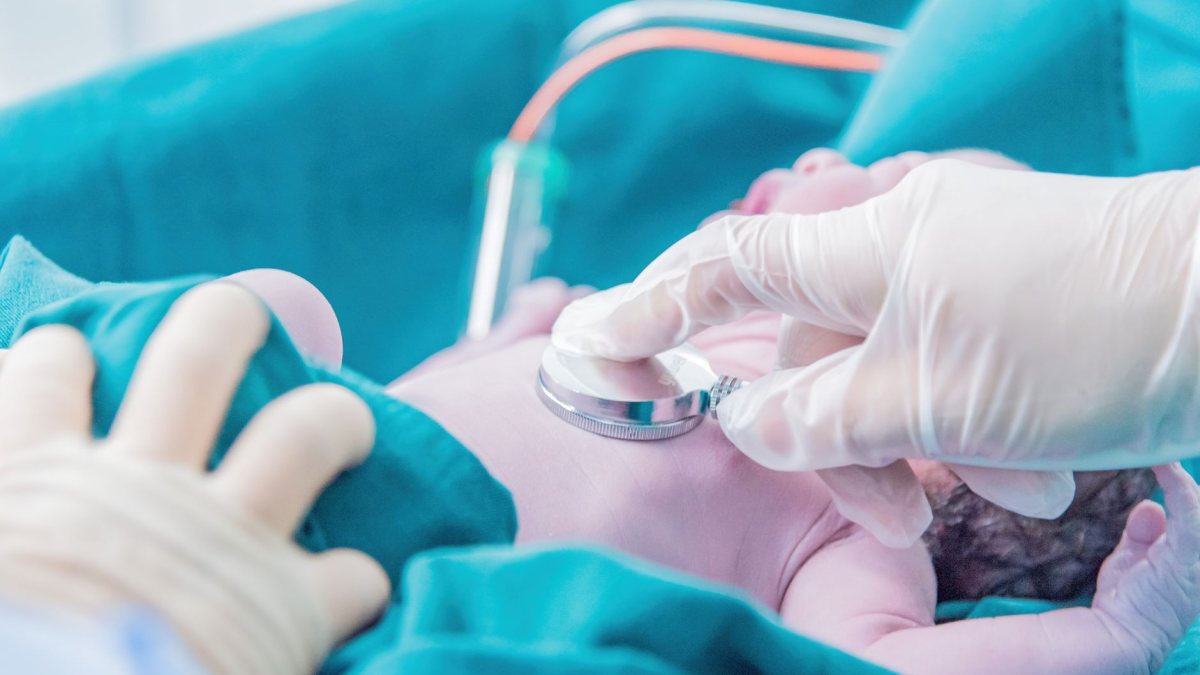
Ministers consider installing cameras above hospital cots after an inquiry concluded previous warning signs were repeatedly overlooked.
Hospitals across the UK could soon be required to install closed-circuit television cameras above neonatal cots as part of a sweeping overhaul of NHS safety measures. The proposal follows the publication of a landmark inquiry that revealed how warning signs were repeatedly missed, leaving vulnerable newborns unprotected in acute care settings.
Health officials confirmed that ministers are evaluating the technical and ethical implications of fitting video monitoring technology directly over incubators and cots. The inquiry’s findings have intensified pressure on the government and health service leaders to overhaul clinical governance and ensure staff whistleblowers are taken seriously.
The independent inquiry, established to examine the circumstances surrounding historic harm in a neonatal unit, delivered a damning assessment of hospital management practices. Investigators found that senior leaders failed to act on persistent concerns raised by frontline clinicians, allowing harm to continue unchecked over an extended period.
According to the report, administrative hurdles, institutional self-protection, and a reluctance to challenge senior medical figures created an environment where warning signs were minimized. The findings suggest that several infant deaths and collapses could have been prevented had executives launched swift, independent investigations when red flags were first raised.
In response to the findings, the Health Secretary indicated that the government is actively considering mandatory cameras in specialized baby units. The technology, often referred to as ‘cot cams’, would act as both a deterrent against intentional harm and an objective record for reviewing medical emergencies.
While the measure has received support from patient advocacy groups, professional bodies have stressed the need for careful implementation. Concerns have been raised regarding staff morale, the potential for intrusive surveillance, and the significant financial investment required to retrofit older NHS facilities.
Beyond physical security measures, the inquiry emphasized the urgent need to reform the internal culture within NHS trusts. Senior pediatricians involved in the historic events expressed regret over the delays in taking decisive action, describing how their early warnings were dismissed by hospital administrators.
Healthcare union representatives argue that installing cameras alone will not resolve underlying issues if managers continue to dismiss staff concerns. Experts suggest that establishing independent oversight bodies, outside of individual trust hierarchies, is crucial to ensuring that whistleblowers can report safety risks without fear of professional retaliation.
The Department of Health and Social Care is expected to launch a formal consultation process to assess the practicalities of introducing CCTV across all special care baby units. This will involve consultations with legal experts, medical ethics committees, and patient representatives to address privacy concerns under data protection laws.
Concurrently, the NHS executive board is tasked with formulating a national response to the inquiry’s broader recommendations. NHS trusts across England will be required to review their clinical governance frameworks, audit their reporting mechanisms, and demonstrate how senior leadership responds to staff escalations.
While some modern neonatal units offer secure streaming apps for parents, the primary focus of the proposed security cameras is clinical safety and auditing. Specific rules regarding parental access will be determined during the government consultation.
Any video footage captured in NHS wards is subject to strict data protection regulations. Health authorities have stated that footage would be encrypted, stored securely, and accessible only to authorized personnel during formal investigations or quality audits.
Some NHS trusts currently use webcams to allow parents to view their babies remotely when they cannot be at the bedside. However, a standardized, mandatory system intended for clinical auditing and security monitoring is not currently deployed nationwide.
The proposal to install cameras above hospital cots represents a significant shift toward greater transparency in high-risk pediatric environments. While technology can provide a valuable layer of accountability, experts agree that modern hardware must be accompanied by a fundamental shift in management culture, ensuring that clinical staff are heard when safety concerns are raised.
Reference: This report was compiled from publicly reported information. Original coverage: BBC.
Photo: Lemniscate L / Pexels




