Physical Address
304 North Cardinal St.
Dorchester Center, MA 02124
Physical Address
304 North Cardinal St.
Dorchester Center, MA 02124

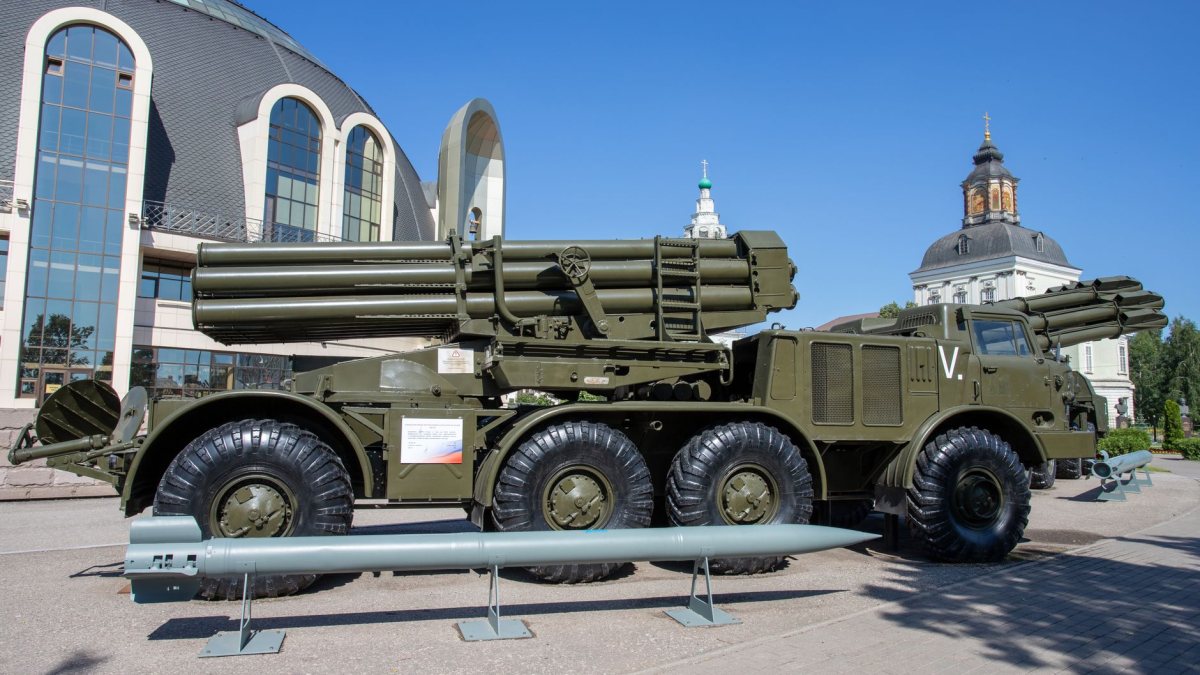
Ottawa commits $350 million in new air defence aid for Ukraine, expanding long-term military cooperation and domestic defence industrial capacity.
Canada has announced a major new military assistance commitment for Ukraine, earmarking approximately $350 million specifically for air defence capabilities. The funding commitment comes alongside broader bilateral discussions aimed at cementing long-term security ties between Ottawa and Kyiv.
The move reflects growing urgency among international allies to protect Ukrainian energy infrastructure and urban centres from persistent aerial bombardments, while also laying the groundwork for sustained industrial cooperation in defence manufacturing across both nations.
Air defence remains one of the most critical operational requirements identified by Ukrainian commanders on the ground. Interceptors, surface-to-air missile batteries, radar systems, and counter-unmanned aerial vehicle (C-UAV) technologies are essential to shield civilian populations and frontline forces from missile and drone barrages.
The newly announced package targets these specific vulnerabilities. By funding the procurement and transfer of specialized systems, the federal government aims to strengthen Ukraine’s integrated air defence network. Canadian officials have emphasized that providing sustained layered protection allows Ukraine to defend its sovereign airspace while stabilizing its national power grid and industrial base during ongoing hostilities.
Beyond immediate battlefield transfers, the latest agreement signals a shift toward institutional and industrial partnerships. Canada and Ukraine are looking to scale up joint production efforts, with a strong focus on autonomous systems and drone technology.
Ukrainian manufacturers have accumulated substantial experience in rapid prototyping and deploying combat drones under real-world conditions. By pairing Ukrainian frontline operational experience with Canadian manufacturing standards, advanced materials, and engineering capacity, both countries aim to develop modern defence solutions that serve immediate security needs and build resilient supply chains.
Federal representatives have framed the continuous support for Ukraine not merely as foreign assistance, but as a direct investment in the rules-based international order. Securing international borders and deterring state-sponsored aggression has direct implications for middle-power nations like Canada, which rely heavily on multilateral treaties and international law for territorial sovereignty, including in the Arctic.
Canada’s broader strategic posture has faced scrutiny regarding domestic defence spending targets. Initiatives that integrate Canadian industrial capabilities into allied assistance programs serve a dual purpose: supporting partner nations in conflict while stimulating investment into domestic aerospace and defence sectors.
Support for Ukraine has maintained broad cross-party backing in Ottawa since the onset of the full-scale invasion, supported by Canada’s sizable and politically active Ukrainian-Canadian diaspora. Lawmakers have repeatedly voted in favour of multi-year financial, humanitarian, and military aid packages.
However, ongoing commitments also prompt domestic discussions regarding military readiness. Defence analysts frequently debate how Canada can best balance providing extensive military equipment overseas with modernizing its own Canadian Armed Forces (CAF), addressing procurement bottlenecks, and fulfilling spending obligations within the NATO alliance.
The package is designated primarily for air defence infrastructure, including advanced detection systems, interceptors, ammunition, and counter-drone technologies aimed at protecting Ukrainian territory.
The partnership aims to expand collaboration between Canadian defence contractors and Ukrainian firms, creating opportunities to develop and manufacture drones and related defence equipment domestically.
Air defence is crucial for countering missile, glide-bomb, and drone attacks that threaten civilian life, power grids, logistics hubs, and military positions, making it Ukraine’s most urgent defensive need.
Canada’s $350 million air defence pledge underscores Ottawa’s ongoing commitment to Ukraine’s sovereignty through modern military hardware and collaborative industrial partnerships. By focusing on air defence and autonomous drone technology, the agreement addresses immediate defensive necessities while strengthening domestic defence manufacturing ties for the years ahead.
Reference: This report was compiled from publicly reported information. Original coverage: Reuters.
Photo: Михаил Крамор / Pexels




