Physical Address
304 North Cardinal St.
Dorchester Center, MA 02124
Physical Address
304 North Cardinal St.
Dorchester Center, MA 02124

This week in technology brought major announcements from some of the world’s biggest names—Apple, Microsoft, OpenAI, Samsung, Vivo, and more. From next-gen devices to AI integrations and software updates, here’s a complete roundup of what happened across the tech landscape.
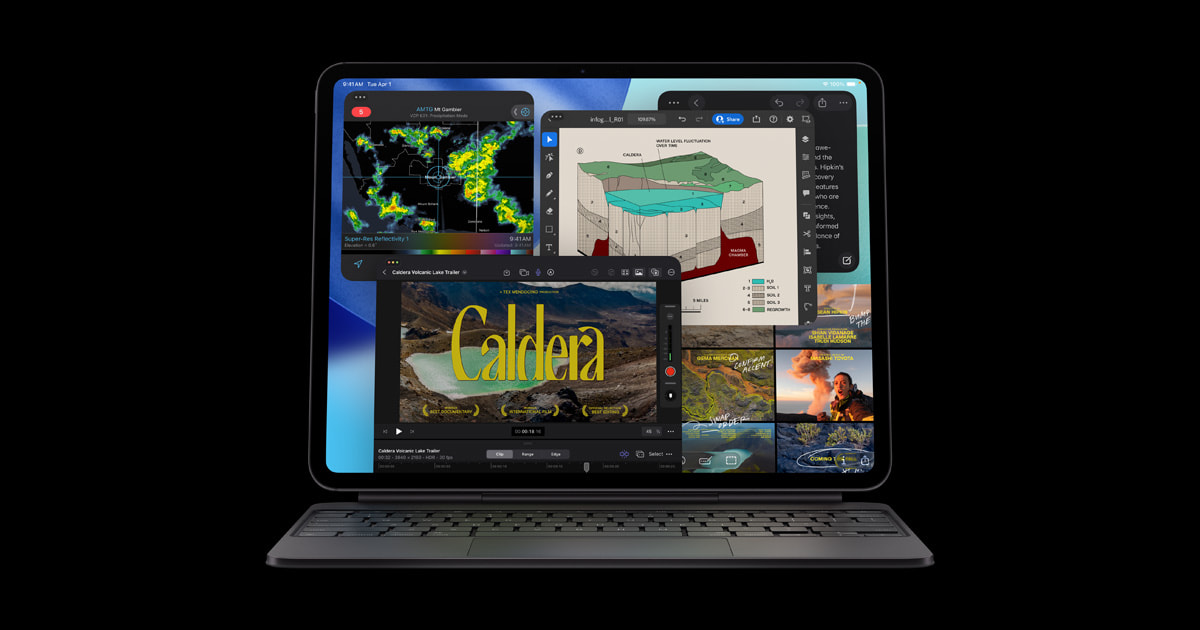
Apple has officially unveiled its latest lineup featuring the all-new M5 chip, powering the next generation of iPad Pro, MacBook Pro, and Vision Pro devices.
The M5 chip promises faster processing speeds, improved energy efficiency, and smarter machine learning capabilities. With this launch, Apple continues its push toward a unified hardware-software ecosystem, enhancing performance for creative professionals, developers, and everyday users alike.
In a significant shift, Microsoft has officially ended free support for Windows 10. Users will no longer receive updates, security patches, or bug fixes. While existing installations will keep running, the lack of future security updates makes it risky for long-term use.
Microsoft is encouraging users to migrate to Windows 11, which features improved performance, tighter security, and integrated AI tools powered by Copilot.
OpenAI is reportedly testing social features within ChatGPT, including direct messaging and group chat options. This could transform ChatGPT from a personal assistant into a collaborative, community-driven AI platform—blurring the lines between conversational AI and social networking.
The smartphone arena heated up as Vivo launched its X300 and X300 Pro, while Oppo introduced the Find X9 Pro and Find X9.
Both brands focused on camera excellence and AI integration, featuring enhanced sensors, Hasselblad-tuned optics, and flagship processors. These devices aim to deliver DSLR-like performance in compact, premium designs—targeting photography enthusiasts and professionals.
Samsung is preparing to launch its next-gen XR headset, codenamed Project Moohan, reportedly running on Android XR. The headset is expected to offer immersive mixed-reality experiences, competing directly with Apple’s Vision Pro.
Rumors suggest an October 21 launch, highlighting Samsung’s re-entry into the XR space with more powerful hardware and improved ergonomics.
OnePlus has officially revealed OxygenOS 16, based on Android 16, introducing a smoother interface, faster performance, and new AI-driven personalization tools. This version emphasizes speed, customization, and fluidity across the user experience.
In an unfortunate twist, a durability test on Google’s Pixel 10 Pro Fold reportedly resulted in the phone catching fire during a bending test. The incident reignited concerns about the safety and structural integrity of foldable smartphones—an area still maturing in design and durability.
Even as Windows 10 fades out, Microsoft is doubling down on AI integration within Windows 11. The new Copilot Vision update brings visual context awareness, “Hey Copilot” voice activation, and smarter multitasking features—turning the operating system into an adaptive digital assistant.
This week’s updates highlight a clear trend—AI and immersive technology are redefining user experiences across hardware and software. Whether it’s Apple’s silicon revolution, Microsoft’s AI-powered OS, or OpenAI’s social experiments, one thing is certain: the future of tech will be more intelligent, more personal, and more interconnected than ever before.