Physical Address
304 North Cardinal St.
Dorchester Center, MA 02124
Physical Address
304 North Cardinal St.
Dorchester Center, MA 02124

In today's digital world, businesses and consumers rely heavily on applications for communication, shopping, entertainment, healthcare, education, and countless other services. Behind many of these modern applications lies a powerful technology that has transformed the way software is built, deployed, and managed—Cloud Computing.
Introduction
In today’s digital world, businesses and consumers rely heavily on applications for communication, shopping, entertainment, healthcare, education, and countless other services. Behind many of these modern applications lies a powerful technology that has transformed the way software is built, deployed, and managed—Cloud Computing.
Cloud computing has become the backbone of digital innovation, enabling organizations to access computing resources on demand without investing heavily in physical infrastructure. From startups launching new products to global enterprises serving millions of users, cloud technology provides the flexibility, scalability, and efficiency needed to thrive in a competitive market.
This article explores what cloud computing is, its benefits, key service models, and why it plays a critical role in powering modern applications.
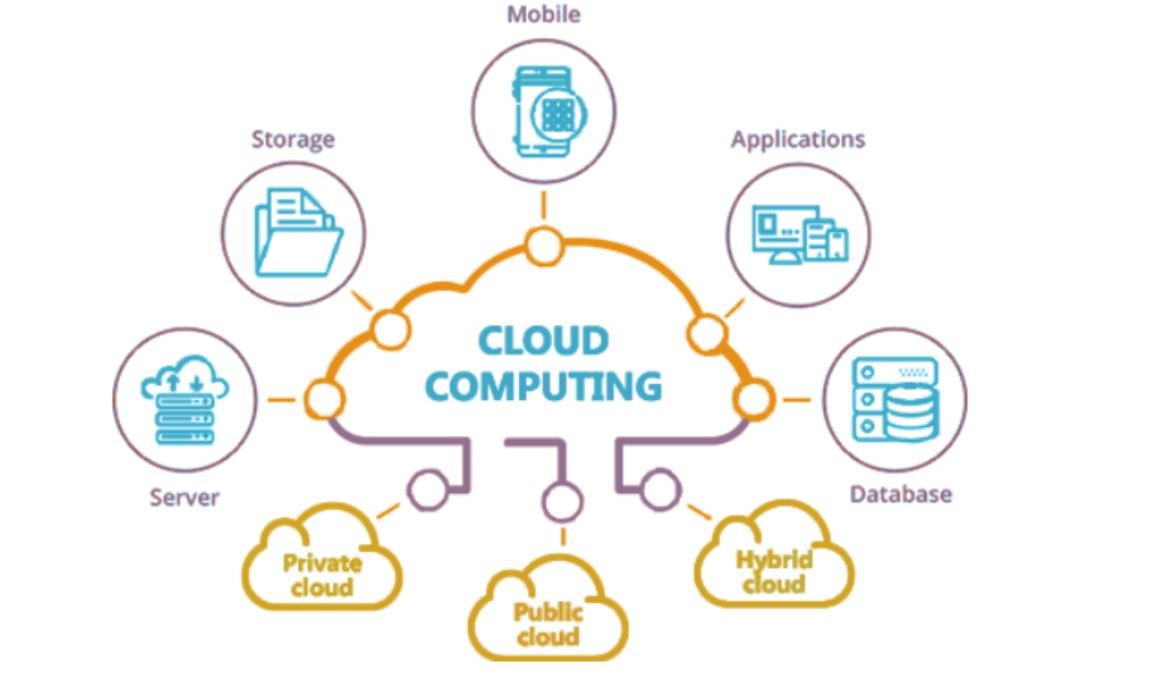
Cloud computing is the delivery of computing services over the internet. Instead of purchasing and maintaining physical servers, businesses can access resources such as storage, databases, networking, software, and computing power through cloud providers.
Simply put, cloud computing allows organizations to use technology resources whenever they need them and pay only for what they use.
Common cloud services include:
This approach eliminates the need for extensive on-premises infrastructure and provides businesses with greater flexibility.
Before cloud technology became mainstream, organizations had to invest significant capital in purchasing hardware, setting up data centers, and managing infrastructure.
This approach created several challenges:
Cloud computing addresses these issues by providing resources on demand, making technology more accessible and cost-effective for businesses of all sizes.
One of the greatest advantages of cloud computing is its ability to scale resources based on demand.
For example:
Cloud platforms allow businesses to increase or decrease resources instantly without major infrastructure changes.
Traditional IT infrastructure requires substantial investment in servers, networking equipment, and maintenance.
Cloud computing follows a pay-as-you-go model, allowing organizations to:
This makes cloud technology particularly attractive for startups and small businesses.
Cloud platforms enable developers to launch applications quickly.
Instead of waiting weeks or months for hardware procurement and setup, teams can provision servers, databases, and development environments within minutes.
This accelerates:
Leading cloud providers offer highly reliable infrastructure with built-in redundancy and failover mechanisms.
Benefits include:
This ensures that applications remain accessible even during unexpected disruptions.
Security is a top priority for cloud providers.
Modern cloud environments offer:
While businesses must still implement proper security practices, cloud providers offer advanced tools that strengthen application protection.
Cloud computing is generally divided into three primary service models.
IaaS provides virtualized computing resources such as servers, storage, and networking.
Examples include:
This model gives businesses greater control over infrastructure while reducing hardware management responsibilities.
PaaS provides a complete development and deployment environment.
Developers can focus on building applications without worrying about infrastructure management.
Benefits include:
SaaS delivers software applications directly through the internet.
Examples include:
Users can access these applications through web browsers without installing software locally.
Several major companies dominate the cloud computing industry:
AWS offers a comprehensive range of cloud services and is widely used by startups and enterprises worldwide.
Azure provides strong integration with Microsoft products and enterprise solutions.
Google Cloud is known for its data analytics, machine learning, and scalable infrastructure capabilities.
These providers continuously invest in innovation, making cloud computing more powerful and accessible.
Cloud computing serves as the foundation for many emerging technologies.
AI models require significant computing power and data processing capabilities, which cloud platforms provide efficiently.
Organizations use cloud services to store and analyze massive datasets in real time.
Cloud infrastructure enables connected devices to communicate, process data, and deliver insights.
Developers can build, train, and deploy machine learning models using cloud-based tools and services.
Cloud technology powers countless services that people use daily.
Examples include:
Without cloud computing, delivering these services at a global scale would be significantly more difficult and expensive.
While cloud computing offers many advantages, organizations should also consider potential challenges.
These may include:
Proper planning and governance can help organizations address these challenges effectively.
Cloud computing continues to evolve rapidly.
Emerging trends include:
As businesses continue their digital transformation journeys, cloud technology will remain a key driver of innovation and growth.
Cloud computing has fundamentally changed the way modern applications are developed, deployed, and managed. By providing scalable, flexible, and cost-effective infrastructure, it enables businesses to innovate faster and serve users more efficiently.
Whether supporting startups, enterprises, educational platforms, healthcare systems, or emerging technologies, cloud computing plays a crucial role in powering today’s digital ecosystem. As technology continues to advance, organizations that embrace cloud solutions will be better positioned to adapt, grow, and succeed in an increasingly connected world.
