Physical Address
304 North Cardinal St.
Dorchester Center, MA 02124
Physical Address
304 North Cardinal St.
Dorchester Center, MA 02124

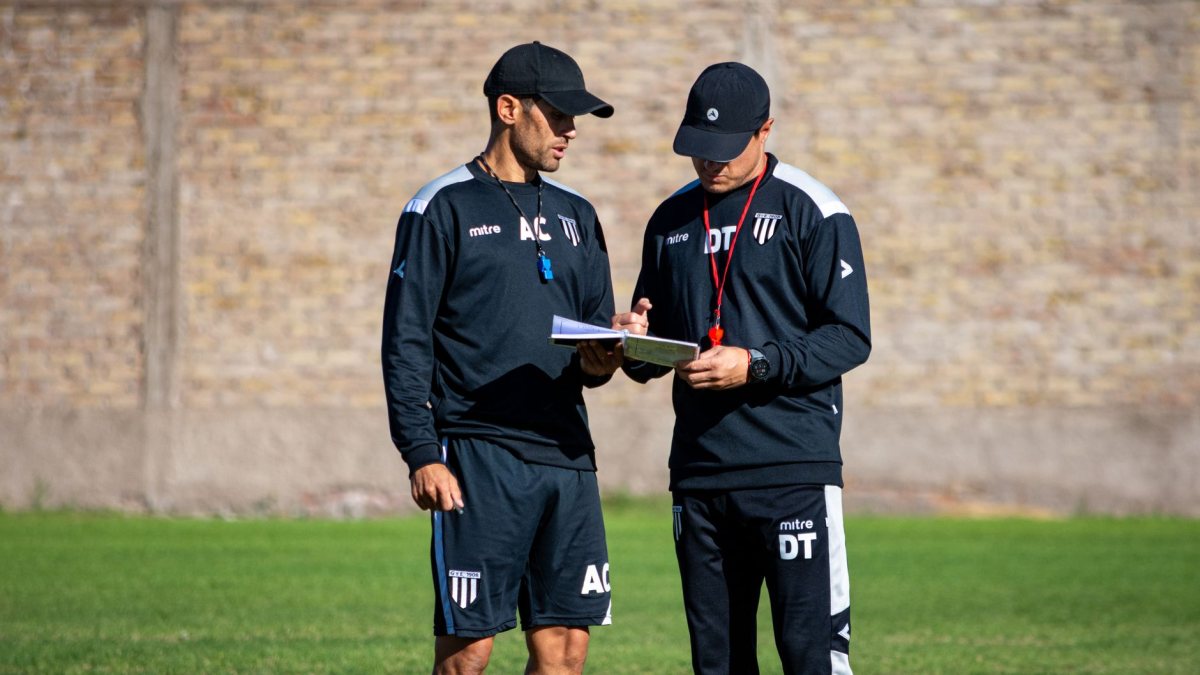
Jürgen Klopp has called up an unprecedented double squad of over 40 players as he begins his tenure in charge of the German national football team.
The German Football Association (DFB) has officially entered a new era under Jürgen Klopp. In his first major roster announcement as head coach of the men’s national team, the former Borussia Dortmund and Liverpool manager opted for an unorthodox approach by calling up more than 40 players across two parallel squads.
The move represents an immediate statement of intent from the newly installed coach, offering a wide assessment of talent across domestic and continental leagues. Rather than narrowing his options ahead of his inaugural fixtures, Klopp is casting an unusually wide net to evaluate both established international figures and emerging Bundesliga standouts in person.
Traditional international windows typically involve a single roster of 23 to 26 players, balancing tactical preparation with limited training time. Klopp’s decision to call in an expanded group effectively doubles that footprint, splitting the contingent into distinct operational units.
This structure allows the coaching staff to run simultaneous training programs, closely monitor workload management, and evaluate tactical adaptability without leaving promising candidates on the outside. Observers across German football note that while unusual, the strategy aligns with Klopp’s emphasis on high-intensity training, personal player evaluation, and establishing clear team culture right from day one.
Modern club schedules have placed an enormous physical burden on top-tier professionals, especially those competing in UEFA club competitions and demanding domestic campaigns. The split-squad format directly addresses this logistical challenge by distributing minutes and training strain across a much wider pool.
Several clear tactical and operational goals underpin this multi-squad arrangement:
By bringing such a large group to the DFB training facilities, the technical staff can assess physical readiness and team chemistry without relying solely on video scouting and statistical data.
German football has spent recent years navigating a gradual generational transition. Following the international departures of senior figures over the past few tournament cycles, the national side has sought a stable spine capable of carrying the team into future European Championships and World Cups.
Klopp’s extended roster provides space to reward strong domestic form from younger Bundesliga performers while keeping seasoned campaigners engaged. Observers expect this setup to provide clear benchmarks for unproven talent, showing younger players the exact tactical and physical standards expected at the senior international level.
The appointment of Klopp followed years of heightened expectations and scrutiny surrounding the national setup. The DFB has prioritized structural reform across its youth pipelines and coaching frameworks, aiming to rebuild long-term consistency in international tournament play.
Introducing a dual-squad structure signals a break from conventional routine. It suggests that Klopp and the DFB technical leadership are willing to rethink established procedures to solve long-standing depth and consistency challenges. For fans across Germany, the bold step has injected renewed enthusiasm into an international calendar that had faced growing cynicism.
Following the initial training period and upcoming match fixtures, the coaching staff will begin consolidating their findings. The expanded contingent will inevitably be trimmed back down to a conventional matchday roster size for future competitive qualifiers.
However, players involved in this initial gathering are expected to remain in the broader peripheral pool. The feedback gained during these sessions will likely serve as the benchmark for squad selections over the coming calendar year, ensuring that players who impress remain closely tracked throughout the club season.
The expanded setup allows the coaching staff to assess more than 40 players in person, evaluate fitness levels, and introduce Klopp’s tactical philosophy without overworking players who carry heavy club match loads.
No. This format is designed specifically for initial evaluations and early training periods. International tournament rules and competitive qualifiers still mandate standard squad sizes of roughly 23 to 26 players.
Club managers frequently express concern over fixture fatigue, but Klopp’s approach distributes match minutes across a wider group, reducing the physical burden on any single club’s star players.
Jürgen Klopp’s decision to name an expanded double squad for his maiden fixtures marks an assertive start to his tenure with Germany. By opting for a broad, hands-on evaluation, he is challenging convention to establish a thorough blueprint for the national team’s future.
While standard roster limits will return for upcoming competitive fixtures, this initial approach provides the coaching staff with valuable insight, setting a clear tone of high competition and renewal for German football.
Reference: This report was compiled from publicly reported information. Original coverage: ESPN.
Photo: Franco Monsalvo / Pexels




