Physical Address
304 North Cardinal St.
Dorchester Center, MA 02124
Physical Address
304 North Cardinal St.
Dorchester Center, MA 02124

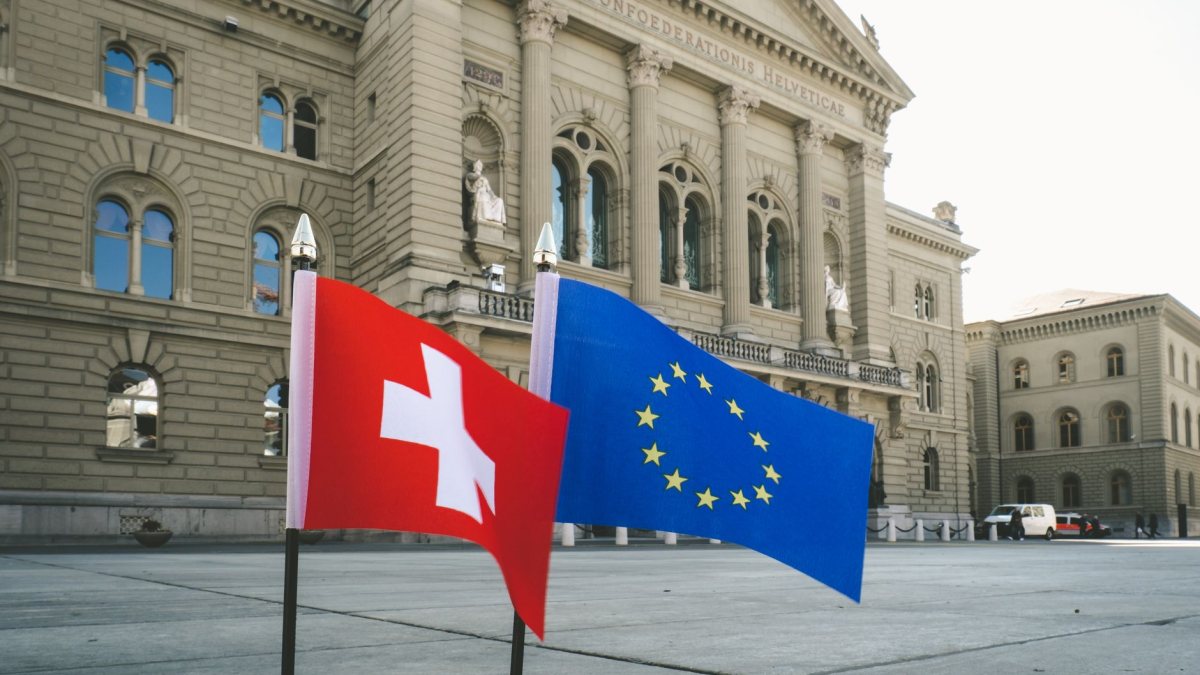
Canada is considering a novel associate membership with the EU as global trade shifts, sparking discussion about Australia's own economic alignment.
Diplomatic discussions between Ottawa and Brussels are pointing toward a unprecedented shift in international relations, with Canada considering a new tier of partnership that could make it the European Union’s first official associate member. The move comes as middle powers seek to fortify their economic and security alliances against an increasingly unpredictable global backdrop and rising protectionism from major trade partners.
For nations like Australia, which share similar strategic interests and trade vulnerabilities, the evolving relationship between Canada and the 27-nation European bloc provides a potential blueprint for future economic diplomacy. European officials have signaled that non-European democracies with shared democratic values could be offered tailored access to the bloc’s markets, research networks, and security frameworks.
The impetus for Canada’s deeper integration with the European Union stems from a changing international order. For decades, trans-Atlantic and trans-Pacific trade relied on predictable multilateral rules. However, recent shifts in United States trade policy—particularly tariffs and diplomatic friction—have pushed traditional US allies to diversify their economic partnerships.
Canadian political figures, including senior economic advisers, have increasingly argued that relying too heavily on a single neighbour carries strategic risks. By deepening formal ties with Brussels, Canada aims to insulate its key industries from unilateral tariff threats while securing access to one of the world’s largest single markets.
While full EU membership is geographically and constitutionally restricted to European nations, an associate status offers a hybrid model. This structure allows non-member democracies to participate in specific European programs without adopting the euro or opening borders to full freedom of movement.
Key areas of cooperation currently under discussion include:
The prospect of a non-European state gaining formal associate status has drawn significant attention in Canberra. Australia faces structural economic challenges similar to Canada’s, including heavy reliance on resource exports and exposure to geopolitical friction with major trade partners.
Senior European diplomats have hinted that if the associate membership model proves successful with Canada, it could be extended to other like-minded nations in the Indo-Pacific region. While Australia currently lacks a bilateral free trade agreement with the EU—following stalled negotiations over agricultural market access—a broader strategic framework could offer an alternative path to deeper economic integration.
Despite the optimism surrounding the proposal, significant diplomatic and regulatory hurdles remain. Integrating a nation outside the European continent into existing regulatory bodies requires complex legal adjustments within the EU’s founding treaties.
Domestic politics in both regions will also play a crucial role. In Europe, agricultural lobbies often resist market concessions to foreign primary producers. In Canada, maintaining regulatory sovereignty while aligning with European standards poses a delicate balancing act for policymakers.
While geographic distance and differing trade priorities remain factors, European officials have indicated that the associate model could eventually be offered to democratic partners like Australia, depending on the success of the Canadian initiative.
Unlike full EU members, associate partners do not cede legislative authority to Brussels. They participate in specific, mutually agreed-upon policy areas without being bound by the EU’s broader political union or freedom of movement mandates.
Standard trade deals primarily focus on reducing tariffs and quotas. Associate membership goes further by integrating regulatory standards, scientific research, security cooperation, and strategic supply chain management under a unified governance structure.
Canada’s potential transition into an associate member of the European Union marks a significant pivot in global economic strategy. By seeking closer alignment with European markets, Ottawa is taking proactive steps to safeguard its economic security in an era defined by trade volatility and geopolitical realignments.
For Australia, the progress of these talks will be closely monitored. If successful, this new diplomatic framework could provide Canberra with a valuable template for expanding its own international partnerships beyond traditional regional arrangements.
Reference: This report was compiled from publicly reported information. Original coverage: The Conversation.
Photo: Christian Wasserfallen / Pexels




