Physical Address
304 North Cardinal St.
Dorchester Center, MA 02124
Physical Address
304 North Cardinal St.
Dorchester Center, MA 02124

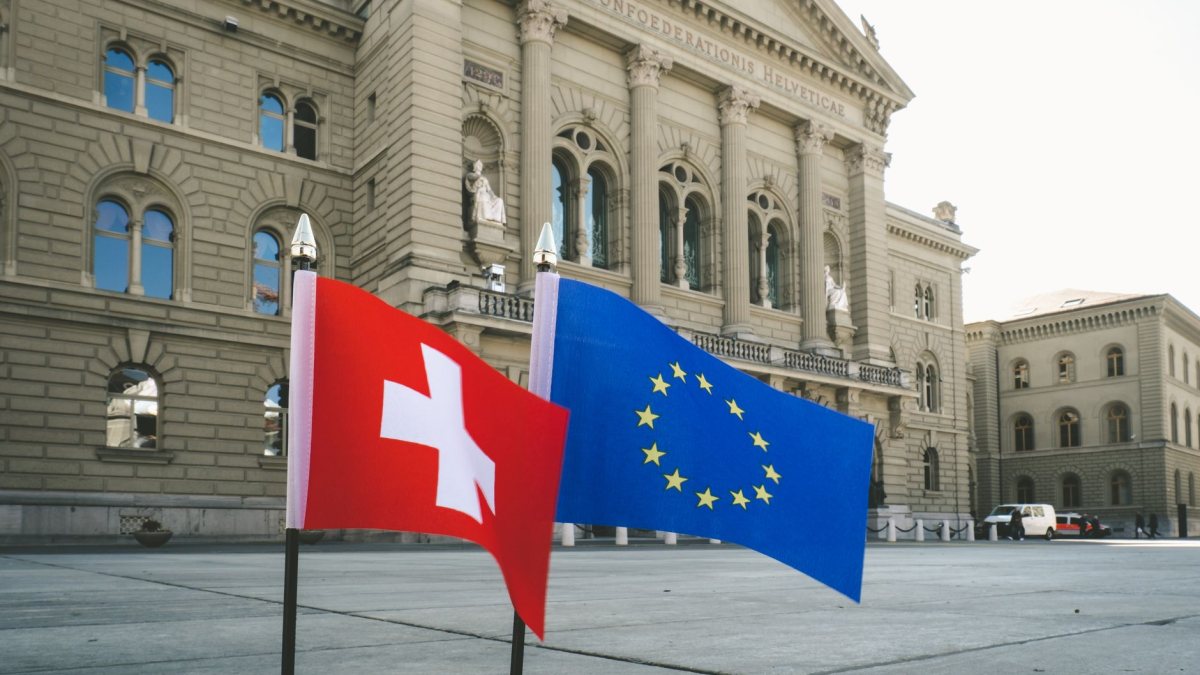
Former central banker Mark Carney addresses European leaders, calling for stronger transatlantic ties and stable economic alliances amidst global trade tensions.
Former Bank of Canada and Bank of England governor Mark Carney has delivered a high-profile address to European lawmakers, calling for a significant deepening of economic and strategic ties between Canada and the European Union. Speaking at a time of heightened global uncertainty, Carney emphasized that democratic allies must stand together to protect international trade and shared democratic principles against aggressive unilateral pressures.
The address marks a notable moment in Canadian foreign policy discussions, highlighting how middle powers and traditional allies are reassessing their economic security. Carney warned against relying solely on volatile trading relationships, urging European and Canadian leaders to build more resilient supply chains and commit to long-term multilateral cooperation.
In his speech, Carney articulated a vision for Canada-EU relations that goes beyond conventional commercial trade agreements. He argued that the current geopolitical climate demands a steadfast commitment from democratic partners, noting that traditional alliances cannot be treated as temporary arrangements of convenience. Instead, he framed the Canada-Europe partnership as a pillar of global stability that must be actively reinforced.
Carney’s remarks directly addressed the rising tide of protectionism and economic nationalism that has disrupted global markets in recent years. By calling out coercive trade practices and unpredictable diplomatic shifts, he signaled that Canada and Europe share a mutual interest in safeguarding transparent, rules-based international commerce.
Central to Carney’s vision is the concept of strategic autonomy through cooperation. Rather than turning inward, he suggested that nations like Canada and members of the European Union should diversify their trade portfolios and deepen integration in critical sectors such as clean energy, technology, and essential raw materials.
Key areas highlighted for potential Canada-EU collaboration include:
Carney’s international engagement comes as public sentiment in Canada increasingly favours stronger ties with traditional European allies. Recent polling suggests a vast majority of Canadians support closer economic and political integration with the European Union, driven largely by concerns over economic dependence on single, unpredictable foreign markets.
For many Canadians, diversifying trade relationships is seen as a practical hedge against potential economic shocks originating south of the border. Political analysts note that Carney’s public interventions resonate strongly with voters who are seeking stable, predictable economic leadership in an increasingly volatile global landscape.
While Carney currently holds no formal political office, his speeches are widely scrutinized by political observers and policymakers in Ottawa and abroad. His extensive background in global finance lends weight to his policy prescriptions, and his public appearances are often viewed as potential blueprints for future government initiatives.
Advocating for closer EU alignment aligns with Canada’s ongoing efforts to leverage existing frameworks, such as the Comprehensive Economic and Trade Agreement (CETA). Expanding upon these foundations could allow Canadian businesses greater access to European markets, while providing European firms with a reliable source of energy, food, and key industrial inputs.
Despite the broad ideological agreement between Ottawa and European capitals, significant hurdles remain. Implementing deeper economic integration requires navigating complex domestic regulations, agricultural quotas, and differing policy priorities across EU member states. Furthermore, shifting trade policy takes time, and immediate relief from global trade disputes can be difficult to achieve through long-term structural changes.
Additionally, balancing closer ties with Europe alongside Canada’s deeply integrated economic relationship with North American partners presents a continuous diplomatic delicate act. Policymakers must ensure that pursuing new transatlantic avenues does not jeopardize vital continental trade flows.
As a highly respected international economic figure and former governor of both the Bank of Canada and the Bank of England, Carney is frequently invited to offer insights on global economic stability, trade strategy, and climate policy to foreign legislatures and international forums.
The Comprehensive Economic and Trade Agreement (CETA) is a progressive trade deal between Canada and the European Union that eliminates tariffs and reduces trade barriers. Carney’s recommendations build upon this existing agreement to foster deeper economic integration.
Public opinion surveys consistently show strong support among Canadians for deepening economic and political partnerships with the EU, primarily due to shared values and a desire to diversify Canadian trade away from over-reliance on a single foreign partner.
Mark Carney’s address to European lawmakers underscores a growing consensus among international policy experts: democratic nations must proactively fortify their alliances in response to shifts in global trade power dynamics. By advocating for deeper economic cooperation, Carney has outlined a strategic path for Canada and Europe to protect their shared economic interests and values.
As global economic pressures continue to evolve, the focus will now turn to how policymakers in Ottawa and Brussels translate these broad strategic goals into concrete policy decisions, ensuring long-term stability and growth for both regions.
Reference: This report was compiled from publicly reported information. Original coverage: CBC.
Photo: Christian Wasserfallen / Pexels




