Physical Address
304 North Cardinal St.
Dorchester Center, MA 02124
Physical Address
304 North Cardinal St.
Dorchester Center, MA 02124

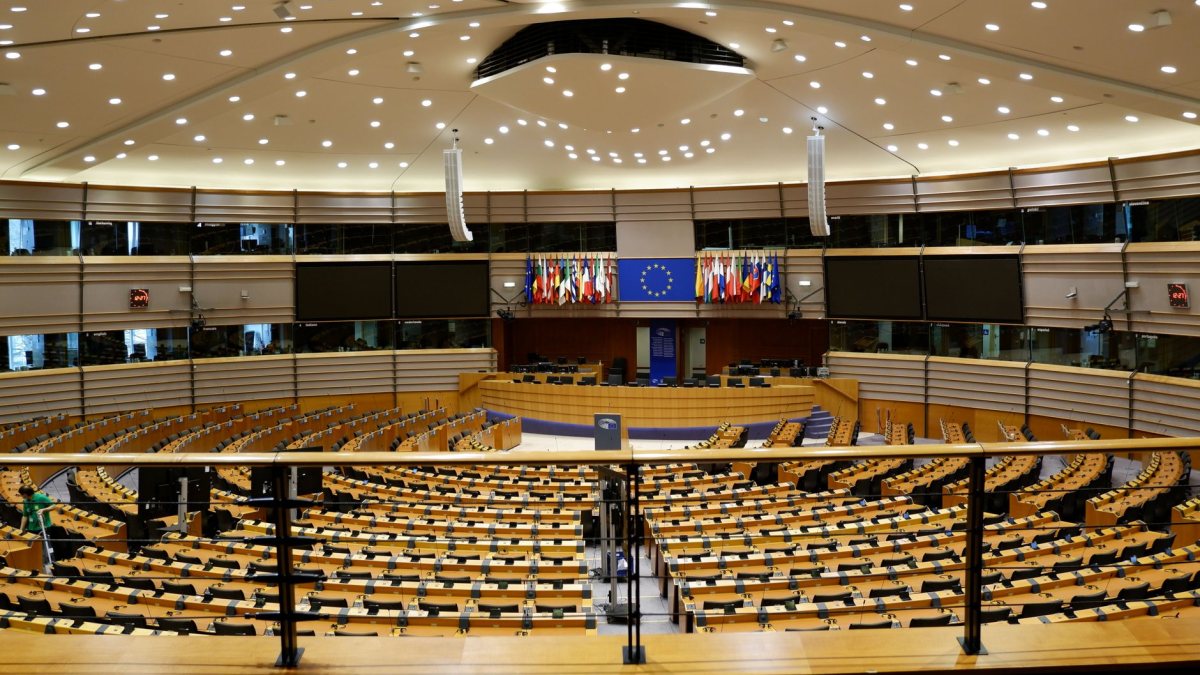
European leaders are floating an unprecedented partnership status for Canada, sparking strong political reactions at home and abroad.
European Union leadership has extended a unprecedented invitation to Canada, suggesting the country could become the bloc’s very first designated associate member. The proposal marks a dramatic potential shift in trans-Atlantic relations, signaling a desire in Brussels to forge much tighter economic, political, and security ties with Ottawa amidst a volatile global landscape.
While Canada already enjoys close ties with Europe through existing trade agreements, the concept of formal associate membership would push bilateral cooperation into unchartered territory. The initiative has quickly drawn international attention, sparking intense debate among Canadian policymakers, foreign partners, and international trade experts regarding what such a status would actually entail for the country’s sovereignty and global standing.
The concept of an associate membership is a fresh structural idea within the European Union, which traditionally offers a binary choice between full membership or standard third-country diplomatic status. Under the theoretical framework discussed by European officials, Canada would gain enhanced access to EU policy discussions, scientific research initiatives, and strategic supply chain networks without being bound by the full suite of EU regulations or adopting the single currency.
This initiative builds on years of growing institutional alignment. Canada and the EU already share strong foundational ties through the Comprehensive Economic and Trade Agreement, which substantially reduced tariffs and regulatory hurdles after coming into effect. Moving toward a broader associate framework would aim to deepen this integration, particularly in high-stakes sectors like clean energy, critical minerals, and digital governance.
The push for a formalized, closer alliance comes at a moment of profound uncertainty in international politics. Both Ottawa and European capitals are actively seeking to diversify their international partnerships to shield their domestic economies from global trade disruptions, geopolitical conflicts, and rising protectionist sentiment in traditional market spaces.
For European policymakers, securing a reliable, democratic partner rich in critical resources is a strategic priority. Canada offers vast reserves of essential minerals, energy potential, and agricultural exports, combined with a stable political system that aligns closely with European values on human rights and environmental policy.
The proposal has generated a swift political response across the Atlantic and within Canada. Domestic political observers note that while many Canadians favor deeper alignment with democratic allies in Europe, any formal shift in international status will face intense scrutiny regarding its potential impact on domestic regulatory authority and national autonomy.
The discussion has also caught the attention of lawmakers in the United States. Given the deeply integrated nature of the North American economy under existing continental trade deals, American political figures are closely monitoring how closer Canadian-European institutional links might affect cross-border trade flows, manufacturing supply chains, and North American defense coordination.
Moving from a high-level diplomatic proposal to a binding legal framework is a lengthy, complex process that typically takes years to negotiate. For an associate membership framework to materialize, several critical legal and political steps must occur:
First, European member states must formally consensus on the exact definition and rights granted under an associate membership status. Simultaneously, the Canadian government would need to assess the economic impacts and consult with provincial governments, key industry sectors, and civil society groups before entering formal negotiations.
No. Associate membership is distinct from full EU membership. Canada would retain its own currency, legal system, and supreme legislative authority, though specific technical standards might be harmonized for shared commercial projects.
Canada’s trade relations with the United States remain its most economically significant partnership. Negotiators would carefully construct any European agreement to ensure full compliance with existing North American trade commitments.
No. At this stage, the proposal represents a political signal and diplomatic vision. It requires extensive legal drafting, ratifications by European institutions, and approval from the Canadian parliament.
The European Union’s proposal for Canada to become its first associate member highlights how rapidly global alliances are evolving. It underscores Ottawa’s strategic importance to international partners looking for stability and shared values in a changing world order.
As diplomatic discussions progress, Canadian leaders will need to carefully balance the significant economic benefits of deeper European integration against the necessity of maintaining flexibility in domestic policy and preserving crucial ties across North America.
Reference: This report was compiled from publicly reported information. Original coverage: CBC.
Photo: Jonas Horsch / Pexels




