Physical Address
304 North Cardinal St.
Dorchester Center, MA 02124
Physical Address
304 North Cardinal St.
Dorchester Center, MA 02124

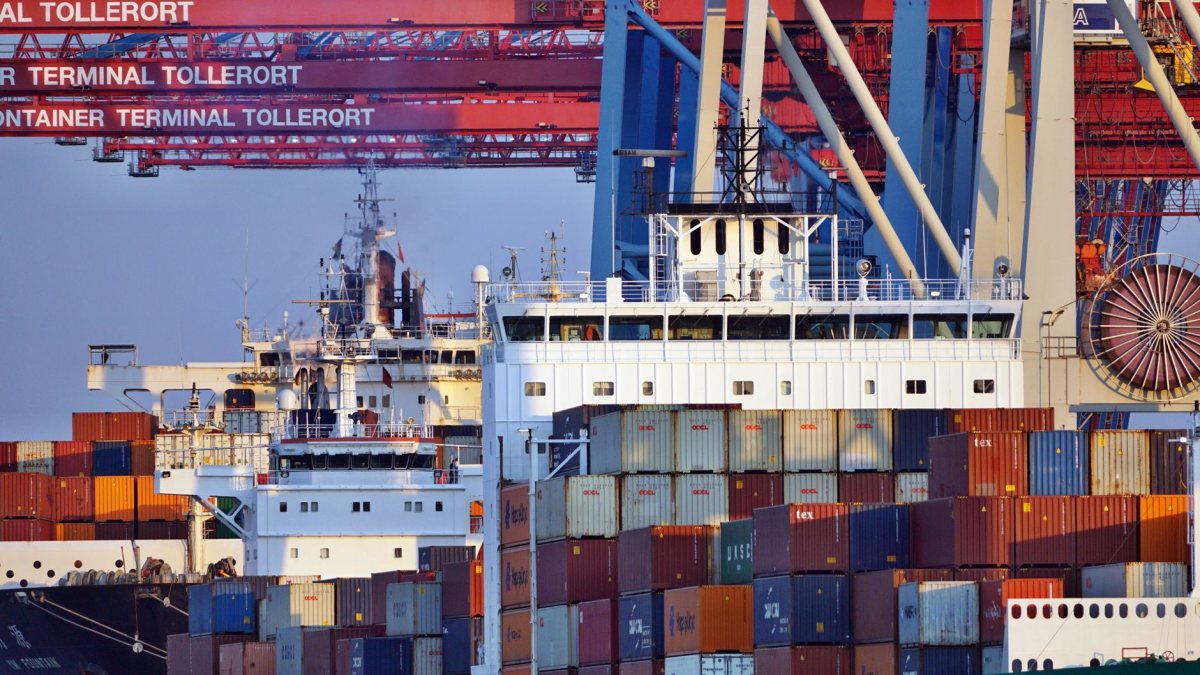
Berlin is preparing to push Brussels for a firmer stance on Chinese market practices, potentially backing new European tariffs.
German officials are intensifying efforts to reshape the European Union’s economic approach toward China, advocating for stronger collective defenses against unfair trade practices. Policymakers in Berlin are increasingly prepared to support targeted European tariffs to shield domestic industries from heavily subsidised foreign competition.
The push signals a notable evolution in German trade policy, which has historically favoured open markets and deep commercial ties with Beijing. Growing concerns over overcapacity, state-backed manufacturing, and supply chain vulnerabilities are driving a more assertive consensus within the federal government and across EU institutions.
For decades, the German economic model relied heavily on selling premium engineering, machinery, and vehicles to the expanding Chinese market. However, structural changes in global trade have altered this dynamic. Chinese manufacturers are no longer just customers for German tools; they have become formidable competitors in high-value sectors such as green technology, industrial equipment, and automaking.
German ministers and industry leaders have voiced frustration over asymmetrical market access. While European markets remain largely open, foreign firms operating in China frequently face regulatory hurdles, mandatory joint ventures, and competition from domestic rivals backed by substantial state subsidies. As a result, Berlin is shifting from a strategy of quiet diplomacy to one that actively leverages the EU’s collective regulatory power.
Trade policy for the 27 member states is negotiated and enforced by the European Commission in Brussels. Consequently, Germany cannot act alone and must build a broad coalition among member states to adjust import duties or initiate anti-subsidy investigations.
The debate over defensive tariffs involves balancing several competing priorities within the bloc:
German policymakers consistently emphasise that their strategy is focused on “de-risking” rather than a complete economic decoupling. The goal is to reduce critical dependencies on single suppliers for essential raw materials, pharmaceuticals, and advanced components, while maintaining broad commercial relations where fair competition exists.
Recent federal strategy documents underscore the need for German enterprises to diversify their international footprints across alternative markets in Asia, Latin America, and North America. However, when Chinese excess capacity threatens core European industrial hubs, Berlin views targeted European trade instruments as a necessary corrective rather than an act of protectionism.
The response from German business associations reflects a complex division of interests. Capital goods manufacturers and renewable energy producers generally welcome stronger trade defense instruments, warning that local production could vanish without a level playing field.
Conversely, major automotive groups and chemical conglomerates remain cautious. These sectors operate extensive manufacturing footprints within China and generate a significant portion of their global revenues there. Corporate executives frequently caution Brussels against excessive tariffs, fearing retaliatory measures that could disrupt supply chains or reduce access to critical materials like rare earth elements.
Over the coming months, German diplomats and trade specialists will work within EU working groups to build consensus on specific trade measures. The European Commission is already conducting several sector-specific inquiries into foreign state aid, and Berlin’s backing could accelerate formal decisions on import levies.
Any formal proposal for new tariffs will require technical reviews, evidence gathering, and eventual approval by a qualified majority of EU member states. Parallel to these measures, bilateral discussions between Brussels and Beijing are expected to continue in an effort to negotiate negotiated solutions before full duties take effect.
Under European Union law, international trade policy falls under the exclusive competence of the EU. Individual member states like Germany cannot independently impose customs duties or import tariffs on third countries; all such measures must be enacted through the European Commission in Brussels.
The primary focus centers on high-tech manufacturing, clean energy equipment, industrial machinery, and the automotive sector, particularly electric vehicles and battery technology where state subsidies play a significant role.
Beijing typically responds to trade measures through targeted investigations of its own, often focusing on politically sensitive European exports such as spirits, agricultural products, or specific vehicle categories, alongside formal appeals to international trade bodies.
Germany’s initiative to lobby the European Union for a firmer China policy marks an important step toward a more defensive European industrial strategy. By backing targeted tariffs and trade remedies, Berlin aims to safeguard local manufacturing against subsidised competition while navigating the delicate balance of economic de-risking.
Reference: This report was compiled from publicly reported information. Original coverage: Bloomberg.com.
Photo: Bernd von Darl / Pexels




