Physical Address
304 North Cardinal St.
Dorchester Center, MA 02124
Physical Address
304 North Cardinal St.
Dorchester Center, MA 02124

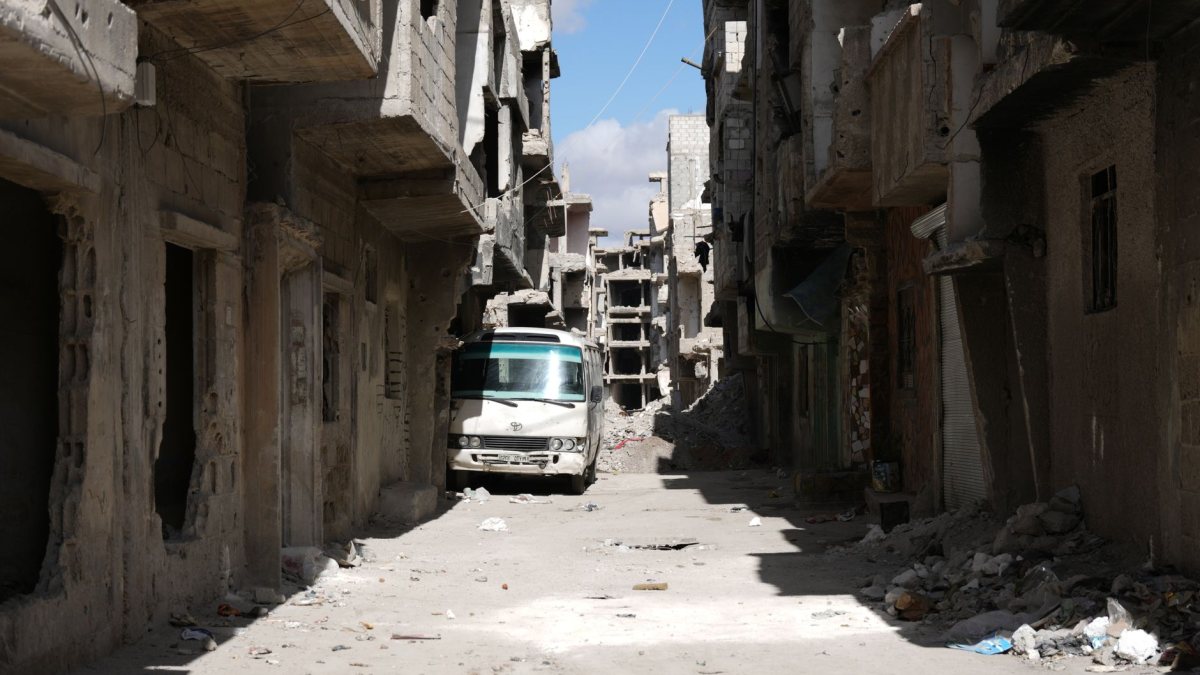
Renewed cross-border threats and UN warnings highlight the worsening humanitarian fallout and regional security risks in the ongoing Yemen conflict.
Tensions across the Arabian Peninsula have reached a critical point following fresh warnings from Yemen’s Houthi movement of expanded cross-border strikes targeting key Saudi infrastructure. Strategic locations in western Saudi Arabia, including major urban and commercial hubs, were recently placed on high alert as military command structures evaluated potential threats to civil and economic infrastructure.
The escalation coincides with increasingly urgent warnings from international bodies, including the United Nations, regarding the deteriorating humanitarian situation inside Yemen. For observers in Pakistan and across South Asia, the instability in the Gulf raises immediate concerns over regional security, energy market stability, and the welfare of millions of expatriate workers living in the Middle East.
The latest rhetoric from Houthi military officials indicates a willingness to target key transport, energy, and commercial facilities deep within Saudi territory. In response, Saudi civil defence authorities implemented heightened security protocols across several major cities, instructing residents to remain vigilant before later easing immediate threat levels.
Riyadh has maintained that its defensive capabilities remain fully operational, reassuring both domestic populations and international partners that any hostile actions will be met with a firm military response. However, the recurring threat of long-range drone and missile strikes continues to disrupt daily life and complicate economic activities in critical Gulf zones.
Behind the cross-border exchanges lies an unprecedented human tragedy within Yemen. Global relief agencies report that years of conflict have crippled basic infrastructure, leading to severe food insecurity, collapsed healthcare systems, and widespread displacement.
The United Nations has repeatedly cautioned that further military escalation will only block critical aid corridors, making it nearly impossible for humanitarian organizations to deliver life-saving supplies to vulnerable populations.
The ongoing conflict in Yemen and its spillover into the wider Gulf region carry significant implications for Pakistan. With millions of Pakistani citizens employed across the Gulf Cooperation Council (GCC) countries, any military disruption in major cities directly impacts the diaspora community and the flow of vital foreign remittances back to Pakistan.
Furthermore, prolonged instability in the Red Sea and Arabian Gulf shipping lanes threatens global maritime commerce. Disruptions to oil transport routes can lead to price volatility in international energy markets, directly affecting import-dependent economies across Asia, including Pakistan’s foreign exchange reserves and domestic fuel prices.
Despite numerous international mediating efforts, achieving a durable political settlement between the warring factions remains elusive. UN-led peace initiatives have frequently stalled over disagreements regarding security guarantees, blockade relaxations, and the mechanics of salary payments for public sector workers in contested zones.
Analysts note that as long as the underlying political and regional rivalries fuel the conflict, temporary lulls in violence are likely to give way to renewed cycles of retaliation. Broader regional diplomacy, including recent engagements between regional powers, has yet to fully translate into a concrete, lasting peace on the ground in Yemen.
Pakistan shares deep economic and security ties with the Gulf region. Millions of Pakistani workers reside in Saudi Arabia and neighbouring states, sending home vital remittances. Additionally, stability in Gulf shipping lanes is essential for Pakistan’s energy security and international trade.
Years of protracted conflict have shattered Yemen’s economic and public health systems. Combined with trade restrictions, port disruptions, and currency collapse, the country faces severe shortages of food, clean water, and medical care.
Yes, the United Nations and regional mediators continue to engage key stakeholders to establish formal ceasefires and reopen dialogue. However, intermittent escalations and unresolved political demands frequently disrupt these diplomatic efforts.
The persistent threat of military escalation between Yemen’s Houthi movement and Saudi Arabia underscores the fragile state of security in the Middle East. As humanitarian conditions inside Yemen continue to degrade, international stakeholders face an urgent double challenge: preventing a wider regional war while delivering essential relief to millions of civilians caught in the crossfire.
Reference: This report was compiled from publicly reported information. Original coverage: theguardian.com.
Photo: Baraa Obied / Pexels




