Physical Address
304 North Cardinal St.
Dorchester Center, MA 02124
Physical Address
304 North Cardinal St.
Dorchester Center, MA 02124

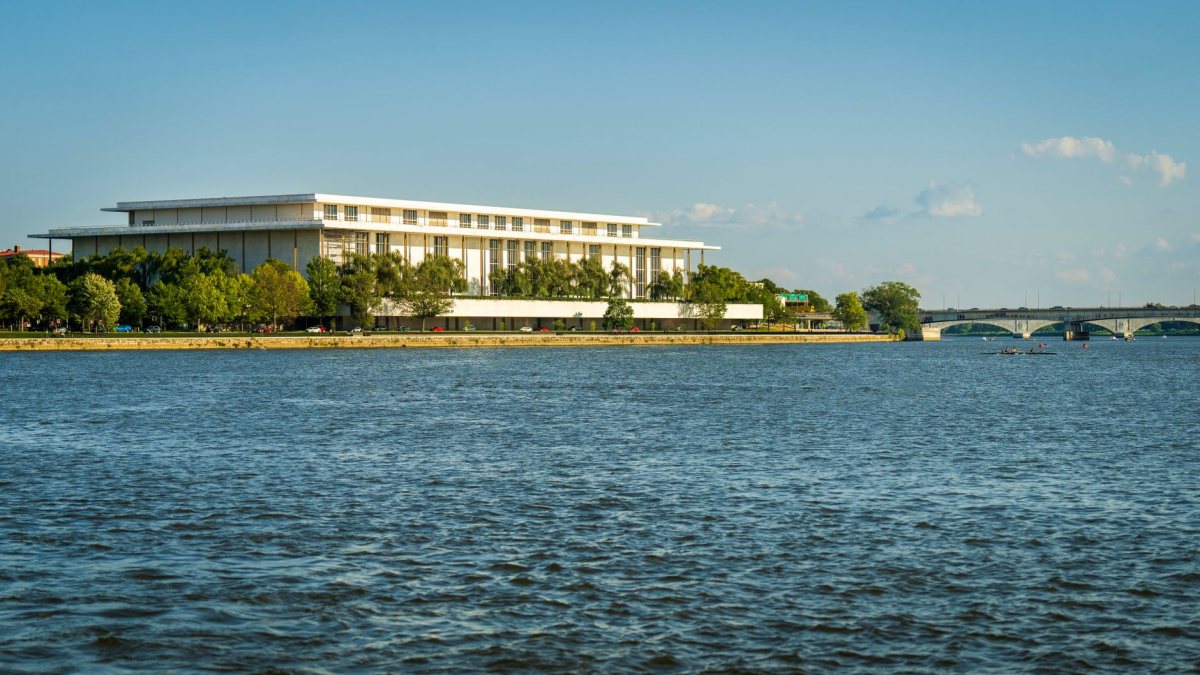
The board overseeing Washington's premier performing arts venue has voted to shut its doors for renovations amid ongoing legal battles over the building's naming rights.
The board of trustees governing the John F. Kennedy Center for the Performing Arts has voted to temporarily shut down the iconic Washington, D.C., venue to undergo comprehensive structural renovations. The decision, approved during a recent board meeting, calls for an immediate pause on public performances to accommodate necessary facility upgrades.
The move comes during a period of heightened legal and political scrutiny surrounding the national cultural landmark. Simultaneous court proceedings have centered on efforts to alter the center’s branding, with a federal judge issuing a temporary injunction to halt proposed naming changes while litigation proceeds.
The decision to close the facility reflects pressing maintenance needs across the aging complex. According to venue administrators, several core systems—including specialized stage mechanics, acoustic insulation, and climate control infrastructure—require extensive overhaul that cannot be safely completed while patrons and performers occupy the space.
While routine maintenance occurs annually during off-peak periods, the scope of the planned repairs necessitates a full operational shutdown. Performing arts institutions frequently face difficult logistics when scheduling major capital improvements, often balancing the risk of lost ticket revenue against the imperative of maintaining safety standards and preserving structural integrity.
Parallel to the board’s operational vote, federal courts have been active in managing disputes over the center’s governance and public identity. A federal judge recently issued an order blocking attempts to add the former president’s name to the building or its promotional materials, maintaining the status quo established by Congress when the memorial was created.
The legal challenge highlights long-standing questions regarding the degree of latitude presidential appointees possess when overseeing national institutions. The Kennedy Center, established by federal legislation as a living memorial to President John F. Kennedy, operates under a unique public-private partnership that relies on both congressional appropriations and private philanthropy.
An abrupt or extended shutdown of the nation’s busiest performing arts center carries significant financial and logistical ramifications for the broader arts ecosystem. The facility serves as the primary home for major resident companies, including national symphony orchestras and opera troupes, while hosting touring theatrical productions throughout the year.
Arts management experts note that unexpected venue closures often require months of rescheduling effort, as major touring acts book itineraries years in advance.
The governance of federal cultural facilities frequently reflects the broader political landscape in Washington. Presidential appointments to the Kennedy Center’s board of trustees traditionally occur in staggered terms, allowing sitting administrations to shape the leadership composition over time.
When shifts in board leadership occur, strategic priorities regarding capital expenditure, artistic direction, and facility branding often undergo review. Tensions between appointed oversight boards and career administrative staff are not unprecedented, particularly when decisions impact public access or the historical designation of national monuments.
In typical facility renovation projects of this magnitude, venue leadership establishes detailed timelines and public updates to minimize disruption. However, the intersection of physical repairs and ongoing judicial review creates an unusual degree of uncertainty for patrons and arts stakeholders alike.
Legal observers expect the courts to issue further rulings regarding the administrative authority of the board in the coming months. Meanwhile, engineering teams are tasked with assessing the full duration required to bring the complex’s mechanical systems up to modern operational standards.
The board of trustees voted to close the facility to facilitate urgent infrastructure repairs and structural upgrades that cannot be conducted safely while the building is open to the public.
The center’s official designation was established by an act of Congress as a national memorial. Recent court rulings have blocked attempts to alter the building’s name while legal challenges remain pending.
When major venues close for unscheduled maintenance, patrons holding tickets for canceled events are generally offered full refunds, performance credits, or rebooked dates at alternative facilities.
The decision to temporarily close the Kennedy Center underscores the complex intersection of historic preservation, facility management, and executive oversight in the nation’s capital. As engineering crews prepare to begin critical maintenance work, the outcome of related judicial proceedings will determine how the iconic institution navigates its operational and organizational future.
Reference: This report was compiled from publicly reported information. Original coverage: NBC News.
Photo: Mark Stebnicki / Pexels




