Physical Address
304 North Cardinal St.
Dorchester Center, MA 02124
Physical Address
304 North Cardinal St.
Dorchester Center, MA 02124

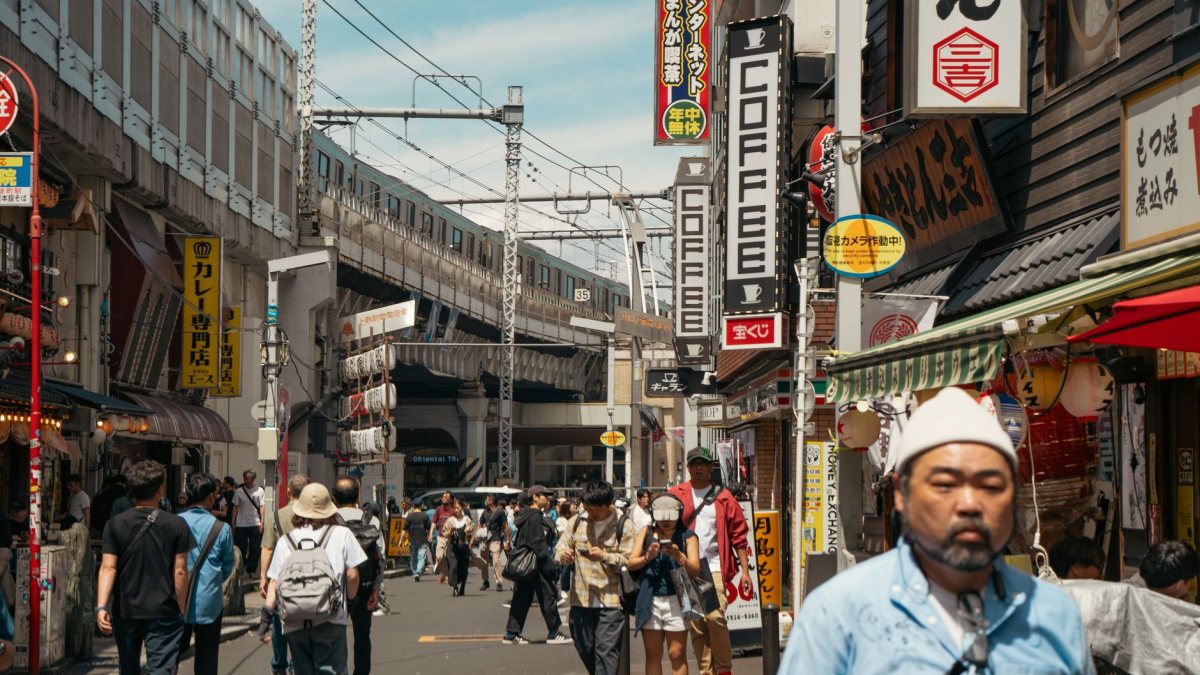
Japan is encouraging overseas visitors to discover creative regional hubs, aiming to ease urban overcrowding and boost local economies.
Japan’s tourism sector is experiencing a massive post-pandemic rebound, with inbound visitor numbers regularly reaching record levels. However, the vast majority of foreign travelers remain concentrated along the classic “Golden Route” connecting Tokyo, Kyoto, and Osaka, placing immense strain on local infrastructure and residents.
In response, regional governments and tourism authorities are intensifying efforts to spotlight lesser-known creative communities and secondary cities. By showcasing artisanal culture, contemporary design, and outdoor living outside the major metropolitan centers, officials hope to distribute economic benefits more evenly across the country.
Popular destinations in central Japan have faced mounting challenges associated with overtourism. In cities like Kyoto and Tokyo, crowded transit networks, rising hotel rates, and congested historic districts have generated friction between international visitors and local communities.
Authorities have introduced various measures to manage crowds, including revised bus transit passes, crowd-monitoring applications, and tourist guidelines in residential quarters. Yet industry analysts widely agree that the most sustainable long-term solution involves encouraging visitors to venture beyond traditional travel corridors.
Rather than relying solely on traditional sightseeing attractions, many regional communities are marketing their contemporary appeal. Independent cafes, craft breweries, art residencies, and boutique lodgings have quietly transformed rural towns and smaller coastal cities into vibrant cultural destinations.
Areas such as the Seto Inland Sea, the Hokuriku coast, and parts of Kyushu and Tohoku are increasingly appealing to travelers seeking authentic design and lifestyle experiences. Local entrepreneurs and returning creatives are revitalizing vacant traditional buildings (kominka) into design-forward hotels and communal creative spaces.
Several underlying factors are making secondary destinations more viable and attractive to international visitors:
While shifting visitor traffic into regional Japan offers substantial economic opportunities, it also presents distinct logistical hurdles. Many rural municipalities face demographic decline, resulting in a shortage of hospitality workers, drivers, and service staff.
Multilingual signage, cashless payment adoption, and public transit schedules in rural areas often lag behind Tokyo and Osaka. Prefectural governments are working closely with private enterprises to upgrade regional infrastructure without eroding the quiet charm that attracts travelers in the first place.
Major cities like Tokyo and Kyoto face severe overcrowding, while rural regions deal with depopulation. Promoting secondary destinations balances economic benefits and preserves local living conditions.
Visitors are drawn to preserved merchant districts, local craft traditions, contemporary art installations, farm-to-table culinary experiences, and renovated heritage accommodations.
While accessibility is steadily improving through digital translation tools and upgraded transit signage, English support in deeply rural areas can still be limited compared to major urban hubs.
As inbound tourism to Japan continues to expand, the focus of the travel industry is shifting from sheer visitor volume to sustainable dispersion. Highlighting dynamic regional culture offers a practical way to protect metropolitan infrastructure while revitalizing local economies across the nation.
Reference: This report was compiled from publicly reported information. Original coverage: Bloomberg.com.
Photo: Iban Lopez Luna / Pexels




