Physical Address
304 North Cardinal St.
Dorchester Center, MA 02124
Physical Address
304 North Cardinal St.
Dorchester Center, MA 02124

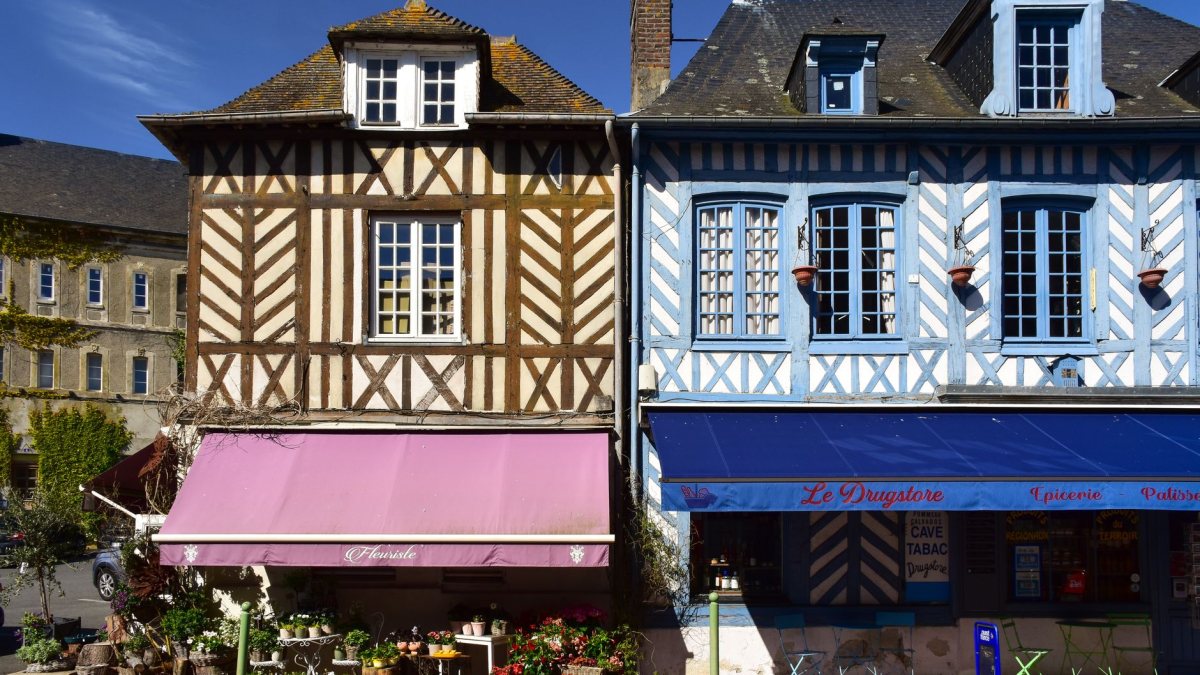
Local authorities and community groups are stepping in to revive the traditional village bistro, a vital lifeline against rural isolation across France.
For generations, the local bistro has served as the social anchor of rural French life. More than just a place to secure a morning espresso or a midday plat du jour, these establishments have historically functioned as informal community centres, post offices, and information hubs for residents in isolated areas.
However, demographic shifts and economic pressures have led to a steady decline in the number of rural cafés. Today, a growing movement of local mayors, regional associations, and national initiatives is working to reverse this trend, recognising that when a village loses its last bistro, it often loses its collective identity.
Over the past half-century, the landscape of rural France has transformed significantly. The consolidation of agricultural land, the migration of younger generations to urban centres, and the rise of large supermarkets on the outskirts of major towns have all contributed to the erosion of traditional village commerce. According to historical estimates from hospitality associations, France had hundreds of thousands of cafés in the early 20th century; today, only a fraction remain in rural municipalities.
When a local bistro closes, the impact is felt immediately. For elderly residents who do not drive, the loss of the village café often means the loss of their only daily social interaction. It also complicates access to basic services, as many rural cafés historically doubled as newsagents, tobacconists, and parcel drop-off points.
To survive in the modern economy, surviving rural bistros are increasingly diversifying their business models. Rather than relying solely on beverage sales, successful venues are adopting a multi-service approach to meet the diverse needs of their communities.
These modern rural hubs often combine several essential functions under one roof:
Recognising the vital role these establishments play in maintaining social cohesion, both public and private initiatives have stepped in to offer financial and logistical support. The French government has launched various rural revitalisation plans over the years, offering tax incentives and subsidies for businesses operating in designated fragile rural zones (ZRR).
Simultaneously, non-profit organisations and cooperative networks have emerged to help villages buy back and manage their local bistros. Under some of these schemes, municipalities purchase the physical building, while a cooperative of local citizens manages the daily operations, ensuring that the business remains focused on community utility rather than purely on profit margins.
Despite these supportive measures, maintaining a rural bistro remains an uphill battle. Rising energy costs, inflation affecting food and beverage supplies, and the difficulty of finding qualified staff willing to relocate to remote areas present ongoing hurdles. Furthermore, while initial public grants can help launch or renovate a venue, the business must ultimately find a way to achieve self-sufficiency to survive in the long term.
Local mayors often point out that public funding can only do so much; the ultimate survival of these venues depends on the active patronage of the local population. Changing habits, such as teleworking and online shopping, mean that operators must constantly adapt to attract younger residents alongside their traditional clientele.
Bistros serve as the primary social venue in villages that often lack other public spaces. They combat isolation, foster community solidarity, and frequently provide essential daily services like mail collection, grocery sales, and internet access.
Many municipal councils are purchasing the commercial walls of closed bistros and leasing them to operators at reduced rates. Some villages also utilise cooperative models where residents share ownership and operational responsibilities.
Yes, various state-backed schemes and independent associations offer funding, training, and operational support to help establish or maintain multi-service cafés in municipalities with fewer than 2,000 residents.
The campaign to save the rural French bistro is about far more than preserving nostalgia; it is a practical effort to maintain the viability of countryside communities. As France continues to navigate the balance between urban development and rural preservation, the humble village café remains a critical indicator of a community’s resilience.
While economic pressures persist, the innovative combination of public funding, cooperative management, and multi-service business models offers a credible pathway forward. The future of these social hubs will ultimately depend on the continued willingness of residents and policymakers to value social connection as a vital public good.
Reference: This report was compiled from publicly reported information. Original coverage: The Guardian.
Photo: AXP Photography / Pexels




