Physical Address
304 North Cardinal St.
Dorchester Center, MA 02124
Physical Address
304 North Cardinal St.
Dorchester Center, MA 02124

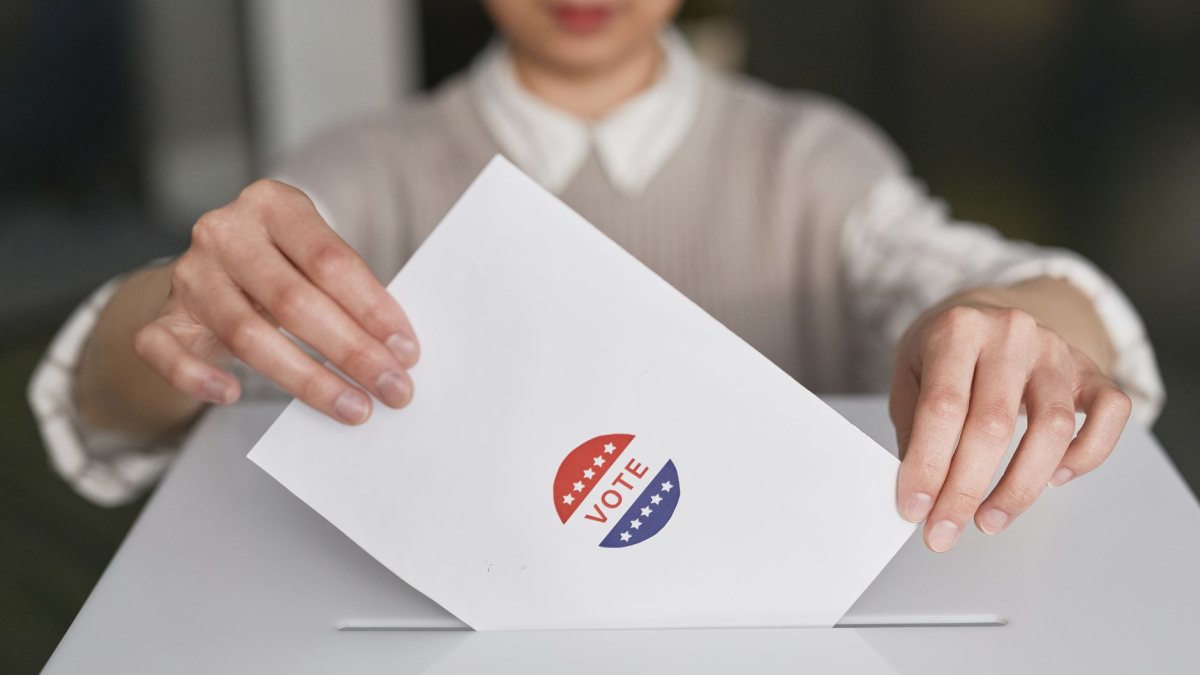
The Alternative for Germany's historic state election victories in Thuringia and Saxony have ignited international reactions, including prominent praise from tech billionaire Elon Musk.
The political landscape of the Federal Republic has been shaken by historic state election results in eastern Germany, where the Alternative for Germany (AfD) secured unprecedented victories. The nationalist, far-right party achieved its first-ever first-place finish in a state parliament election in Thuringia and narrowly missed the top spot in Saxony, marking a watershed moment in post-war German politics.
As political leaders in Berlin struggle to process the implications of the vote, the results have reverberated far beyond Germany’s borders. Among the most notable international observers to react was billionaire tech entrepreneur Elon Musk, whose vocal endorsement of the populist party on his social media platform X has drawn sharp criticism from mainstream German politicians and analysts.
The elections in Thuringia and Saxony have fundamentally altered the balance of power in regional governance. In Thuringia, the AfD, led by the highly controversial figure Björn Höcke, secured approximately 32.8 percent of the vote, finishing well ahead of the conservative Christian Democratic Union (CDU). In neighboring Saxony, the party came in a close second to the CDU, capturing over 30 percent of the electorate.
These results represent the first time since the Second World War that a far-right party has won the largest share of votes in a German state parliament election. Despite the victory, the AfD faces a steep path to actual governance, as all other major political parties have repeatedly ruled out forming a coalition with them, effectively establishing a “firewall” (Brandmauer) to keep the party out of power.
The election outcome quickly caught the attention of Tesla and SpaceX CEO Elon Musk. Known for his increasingly active role in global political commentary, Musk expressed his enthusiasm on X (formerly Twitter), suggesting that the political tide in Europe was turning. Replying to posts celebrating the AfD’s success, Musk made comments indicating support for the change in direction, which he framed as a victory for democratic expression.
Musk’s engagement with German domestic affairs is not new. He has previously criticized the federal government’s immigration policies and clashed with German officials over environmental regulations surrounding the Tesla Gigafactory in Brandenburg. However, his direct validation of a party classified by domestic intelligence agencies as a suspected right-wing extremist group in some states has elevated the tension to a new level.
With the AfD blocked from forming government due to the lack of willing coalition partners, the process of establishing stable state governments in Erfurt and Dresden will be exceptionally complex. The traditional parties must now negotiate across deep ideological divides to form majority coalitions.
To bypass the AfD, traditional rivals are looking at unprecedented alliances. The key factors shaping these upcoming negotiations include:
The state elections are widely seen as a harsh referendum on Chancellor Olaf Scholz’s federal coalition, consisting of the SPD, the Greens, and the Free Democrats (FDP). All three governing parties suffered severe losses in both states, raising serious questions about the stability of the federal government ahead of the national elections scheduled for next year.
The strong showing of populist parties on both the right (AfD) and the left-leaning spectrum (BSW) highlights a growing alienation between voters in eastern Germany and the political establishment in Berlin. Issues such as economic stagnation, energy costs, migration policy, and military aid to Ukraine have driven voters away from traditional centrist parties.
While the AfD won the most seats in Thuringia, they do not hold an absolute majority. Because all other parties have ruled out forming a coalition with them, it is highly unlikely they will be able to form a government or appoint a state premier.
Elon Musk has a significant business presence in Germany through his Tesla factory near Berlin. Additionally, he frequently uses his social media platform to support anti-establishment, populist movements globally, aligning with his self-described “free speech absolutist” philosophy.
The BSW is a new political party founded by former Left Party politician Sahra Wagenknecht. It combines economically left-wing policies with a conservative stance on migration and social issues, making it a unique and powerful new force in German politics.
The regional election results in Saxony and Thuringia represent a profound realignment of the German political landscape, reflecting deep-seated regional divisions and dissatisfaction with the federal government. While the immediate consequence is political gridlock during coalition building, the long-term impact on Germany’s democratic norms remains a subject of intense domestic and international debate.
As global figures like Elon Musk amplify these domestic shifts to a worldwide audience, the pressure on Germany’s centrist parties to address the underlying concerns of voters is greater than ever. The coming months of negotiations will test the resilience of Germany’s political system and its ability to maintain stability in a rapidly polarizing environment.
Reference: This report was compiled from publicly reported information. Original coverage: The Guardian.
Photo: Edmond Dantès / Pexels




