Physical Address
304 North Cardinal St.
Dorchester Center, MA 02124
Physical Address
304 North Cardinal St.
Dorchester Center, MA 02124

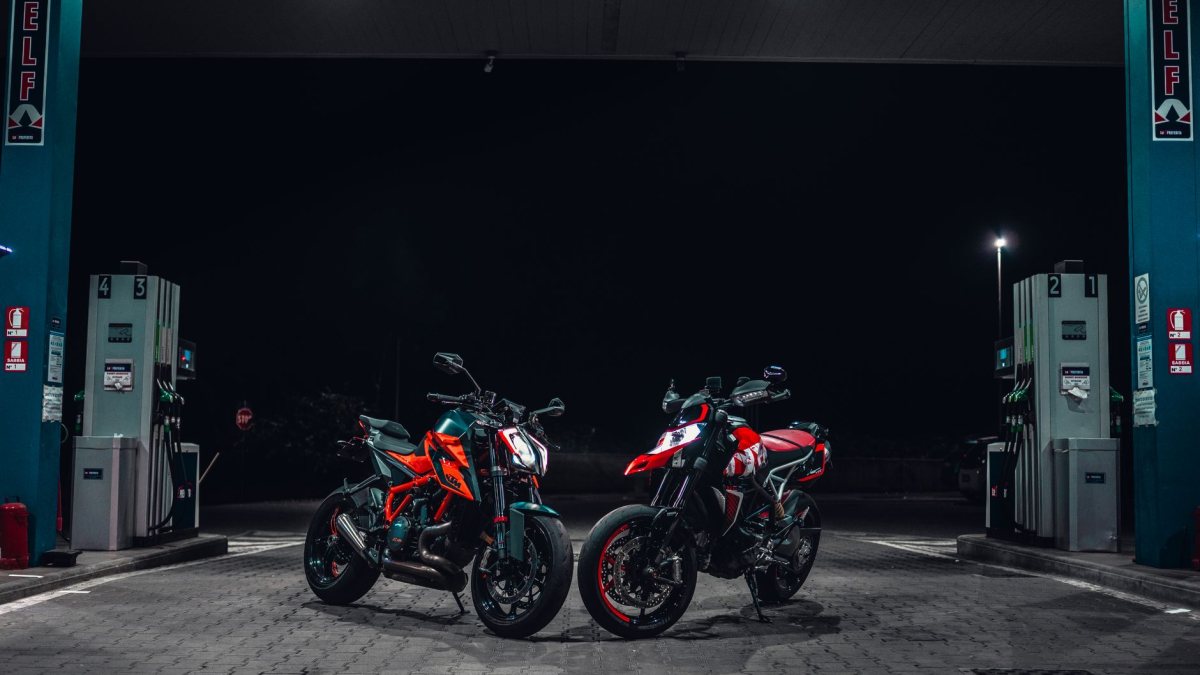
Prime Minister Shehbaz Sharif announces a targeted fuel relief program of Rs100 per litre for motorcycles, rickshaws, and small cars.
In a bid to cushion the impact of historic inflation, Prime Minister Shehbaz Sharif has announced a targeted petroleum subsidy scheme designed to assist low-income citizens. The initiative aims to provide a relief of up to Rs100 per litre on petrol for owners of motorcycles, rickshaws, and small vehicles with an engine capacity of up to 800cc. The decision comes at a time when rising global oil prices and a depreciating rupee have pushed domestic fuel prices to record highs, severely impacting the purchasing power of the working class.
The pricing of petroleum products remains a highly sensitive issue in Pakistan, where fuel costs directly influence the prices of essential commodities, transport fares, and daily services. While the government faces immense pressure from international lenders to curb subsidies and maintain fiscal discipline, the soaring cost of living has forced the administration to seek targeted interventions that protect the most vulnerable segments of the population from economic shocks.
Under the proposed framework, eligible citizens will receive a substantial discount on petrol purchases. The subsidy is structured to target those who rely on two-wheelers and public transport rickshaws for their daily commute, as well as families using small-engine hatchbacks. By limiting the relief to vehicles under 800cc, the government intends to exclude wealthier segments of society who drive larger, luxury vehicles, thereby keeping the overall fiscal burden manageable.
According to official deliberations, the subsidy will be linked to the Benazir Income Support Programme (BISP) database or a similar verification system using National Identity Cards (CNICs). Motorists will be required to register their mobile numbers and vehicle registration details to access the discounted fuel at designated petrol pumps across the country.
This relief measure is introduced against the backdrop of Pakistan’s ongoing negotiations with the International Monetary Fund (IMF) for a crucial bailout package. The IMF has traditionally opposed untargeted subsidies, urging the country to broaden its tax base and eliminate fiscal deficits. However, government representatives have argued that this specific scheme is targeted rather than universal, meaning it does not violate the spirit of the economic reforms agreed upon with the lender.
To fund the subsidy, the government is considering a cross-subsidization model. Under this strategy, a higher tariff or levy could be imposed on fuel consumed by high-end luxury vehicles, and the revenue generated from wealthier consumers would be used to offset the cost of the relief provided to low-income motorists. This approach aims to make the scheme fiscally neutral, avoiding any further strain on the national exchequer.
While the public has welcomed the announcement, trade bodies and business chambers have expressed concern over the broader economic strategy. Organizations like the Lahore Chamber of Commerce and Industry (LCCI) have repeatedly called for a reduction in the petroleum levy and other taxes on fuel to stimulate industrial activity. They argue that high energy costs are making Pakistani exports uncompetitive in the global market.
Industrialists suggest that instead of temporary subsidies, the government should focus on structural reforms in the energy sector, including:
Implementing a targeted subsidy of this scale presents significant administrative challenges. Preventing misuse and ensuring that the relief reaches only genuine beneficiaries will require a robust digital infrastructure. Past experiences with targeted subsidy programs in Pakistan have shown that verification delays, long queues at distribution points, and technical glitches can hinder effective delivery.
Furthermore, oil marketing companies and dealers have raised questions regarding the mechanism of reimbursement. Petrol pump owners will require swift clearance of subsidy amounts from the government to maintain their cash flows and ensure uninterrupted fuel supplies. Any delay in payments could lead to localized fuel shortages or reluctance from dealers to participate in the scheme.
The scheme is designed for owners of motorcycles, auto-rickshaws, and small cars with an engine capacity of up to 800cc. Verification will likely be linked to the owner’s CNIC and vehicle registration.
The government has announced a subsidy of up to Rs100 per litre on petrol, which will be deducted at the time of purchase for registered beneficiaries up to a certain monthly limit.
The government plans to fund this program through a cross-subsidization model, where wealthier consumers driving larger vehicles may pay a premium on fuel to cover the cost of the relief for low-income drivers.
The targeted petrol subsidy represents a delicate balancing act for the government as it attempts to provide immediate relief to the inflation-weary public while navigating strict international financial commitments. If successfully implemented, the scheme could offer a vital financial cushion to millions of lower-income households struggling with daily commuting costs.
However, the long-term solution to Pakistan’s energy crisis lies in reducing dependence on imported fossil fuels and stabilizing the macroeconomic indicators. For now, the focus remains on whether the administration can seamlessly execute this complex digital relief mechanism without disrupting the domestic oil supply chain or derailing vital economic reforms.
Reference: This report was compiled from publicly reported information. Original coverage: dawn.com.
Photo: Andrea Prochilo / Pexels




