Physical Address
304 North Cardinal St.
Dorchester Center, MA 02124
Physical Address
304 North Cardinal St.
Dorchester Center, MA 02124

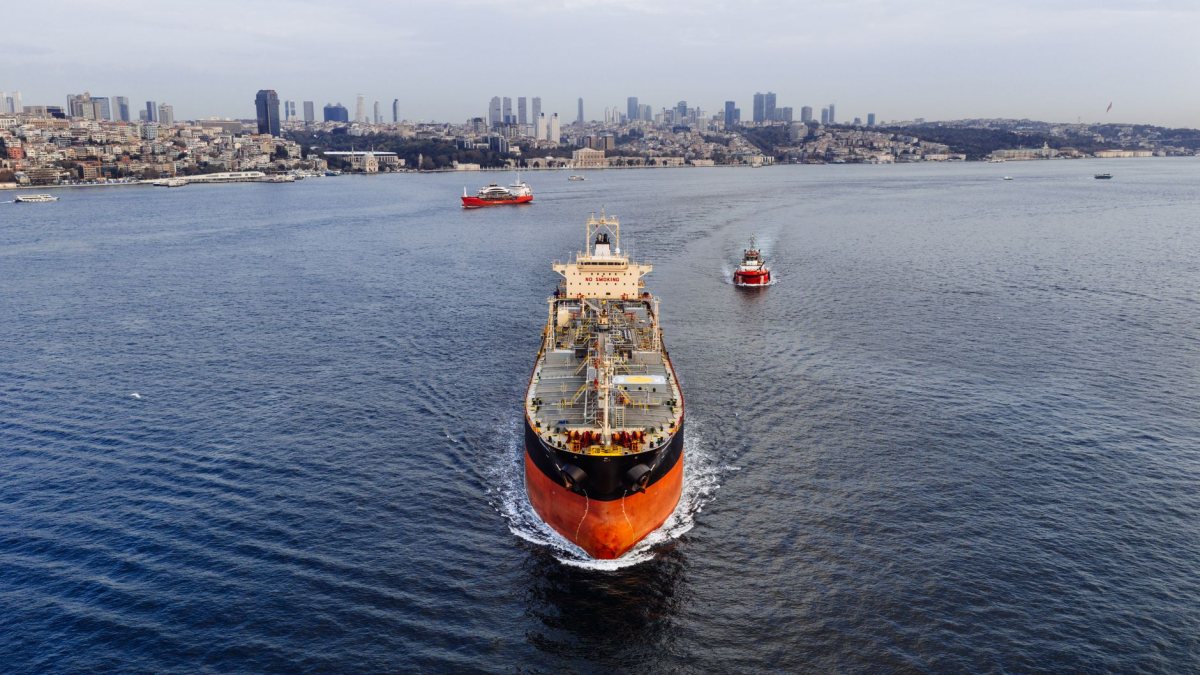
A deadly incident involving a merchant vessel in the Strait of Hormuz has renewed international concerns over commercial maritime security in a critical energy chokepoint.
Tensions across Middle Eastern waterways escalated once again following reports of a deadly strike targeting a commercial freight vessel operating near the Strait of Hormuz. Regional news outlets reported that at least one crew member was killed during the incident, which occurred along one of the most critical maritime transit corridors on the planet.
While full details surrounding the nature of the weapon used and the origin of the strike remain under investigation, the event underscores the fragile security environment confronting international shipping. Commercial operators and naval forces stationed throughout the Gulf are closely monitoring the developments to determine whether the event marks a shift in regional dynamics.
The Strait of Hormuz serves as the maritime gateway connecting the Persian Gulf to the wider Indian Ocean, bordered by Iran to the north and Oman and the United Arab Emirates to the south. At its narrowest point, the passage is roughly 21 miles wide, with shipping lanes measuring only about two miles across in each direction.
A significant portion of globally traded petroleum passes through this narrow artery every single day, along with massive volumes of liquefied natural gas. Because alternative pipeline routes are limited and carry far lower capacity, any localized instability within the strait carries immediate consequences for global commerce, energy markets, and insurance rates for commercial vessels.
The incident follows years of sporadic confrontations, boardings, and covert attacks across Gulf waters. Friction within these sea lanes frequently mirrors broader diplomatic and geopolitical disputes involving regional powers and Western governments, including the United States.
Over recent years, commercial vessels have faced a wide spectrum of hazards in these waters, including:
Each surge in hostility has generally led to heightened alert levels among coalition navies operating in the Middle East, alongside urgent calls for restraint from maritime trade associations.
For American consumers and international markets, maritime security incidents in the Gulf are rarely isolated events. Even when structural damage to a targeted vessel is contained, the psychological and financial effects ripple through global shipping networks.
Maritime underwriters routinely expand designated high-risk zones following fatal attacks, driving war-risk insurance premiums significantly higher for any vessel transiting the area. Shipowners must decide whether to absorb these rising operational costs, redirect cargo along longer and more costly detours, or pause operations entirely until security guarantees can be provided by international naval coalitions.
In response to persistent risks across regional waterways, several multilateral security initiatives operate in the Middle East to safeguard commercial sea lanes. The United States Navy’s Fifth Fleet, based in Bahrain, routinely coordinates with allied navies to patrol transit corridors and provide rapid assistance to merchant ships facing distress or hostile action.
Security analysts note that following attacks on commercial assets, Western and regional armed forces typically step up aerial surveillance, increase maritime escorts, and issue formal navigational warnings to merchant mariners. Such measures aim to deter follow-up aggression while keeping critical supply routes open.
The strait is an extremely narrow maritime bottleneck where giant tankers and container ships must follow fixed, predictable lanes close to shorelines, making them vulnerable to coastal batteries, small craft, and aerial drones.
Operators typically increase onboard watchstanders, coordinate movements with naval task forces, adjust transit speeds, and prepare for substantially higher insurance costs while transiting high-risk waters.
The U.S. Navy maintains an active presence through the Fifth Fleet and leads multinational maritime security coalitions designed to deter attacks, monitor commercial lanes, and assist vessels facing hostile interference.
The deadly strike on a commercial vessel near the Strait of Hormuz serves as a stark reminder of the persistent fragility along global energy corridors. Even isolated maritime incidents can quickly raise insurance premiums, pressure international supply chains, and raise the risk of unintended escalation between regional adversaries.
Moving forward, the primary focus will remain on identifying the source of the attack, assessing potential operational fallout for shipping companies, and watching whether international naval forces implement additional defensive patrols across the Persian Gulf.
Reference: This report was compiled from publicly reported information. Original coverage: AP News.
Photo: K / Pexels




