Physical Address
304 North Cardinal St.
Dorchester Center, MA 02124
Physical Address
304 North Cardinal St.
Dorchester Center, MA 02124

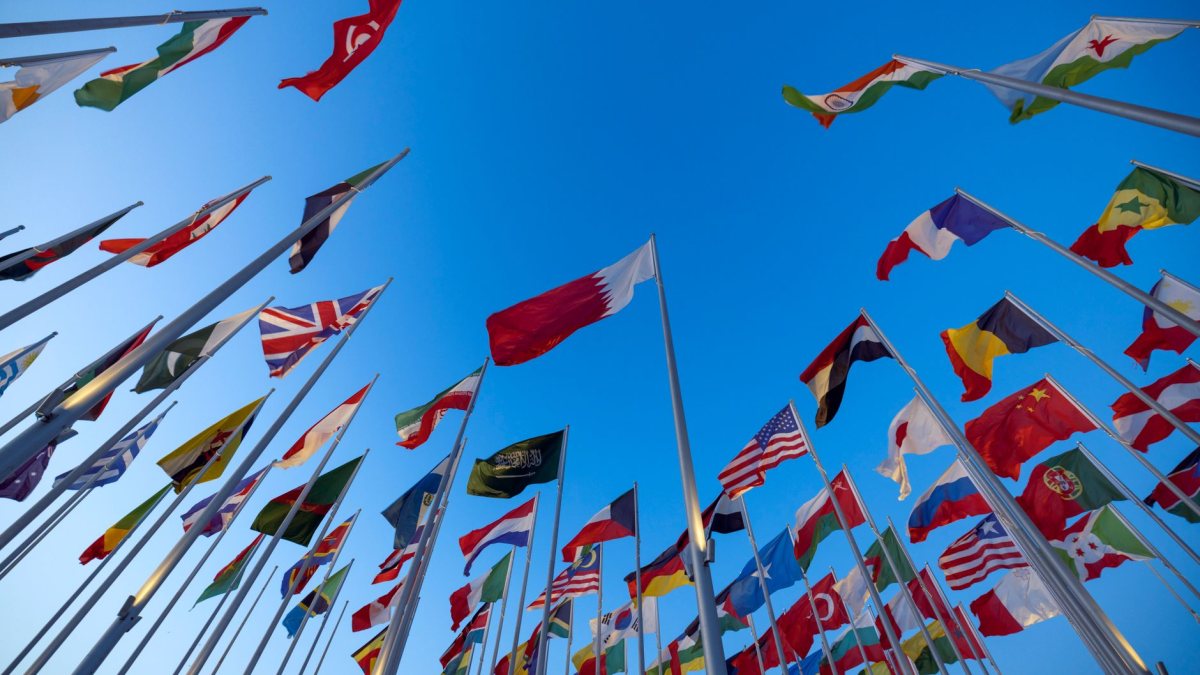
Prime Minister Narendra Modi’s diplomatic maneuvering has helped BRICS nations adopt the New Delhi Declaration, balancing rising Middle East tensions and diverse member interests.
In a major diplomatic achievement for India, Prime Minister Narendra Modi has successfully steered the latest BRICS summit toward a unified consensus. The leaders of the bloc adopted the New Delhi Declaration, a comprehensive joint communique that navigates complex geopolitical fault lines, particularly the escalating conflict in the Middle East, without alienating key global partners.
The summit took place under the shadow of intensifying regional warfare involving Israel, Iran, and various non-state actors. Despite the diverse and often conflicting interests of the expanded BRICS group—which now includes new members like the United Arab Emirates and Iran—Indian diplomacy played a pivotal role in softening rigid stances to produce a mutually acceptable global statement.
Drafting a joint declaration for an expanded BRICS cohort presented unprecedented challenges. With traditional members Russia and China advocating for a more overtly anti-Western stance, and new entrants representing opposing sides of Middle Eastern geopolitical divides, finding common ground required delicate negotiating tactics.
Indian negotiators worked behind the scenes to ensure the language of the declaration remained balanced. By focusing on shared economic challenges, counter-terrorism, and reformed multilateralism, India managed to pivot the focus away from divisive bilateral disputes. This approach allowed both traditional allies and newly inducted Middle Eastern rivals to find acceptable compromises in the final draft.
The final document reflects India’s strategic priorities and its vision for a multipolar world order that does not necessarily stand in opposition to the West. The declaration managed to address several critical global issues:
This summit was the first major test of the expanded BRICS format. The inclusion of countries like Iran, Saudi Arabia, Egypt, Ethiopia, and the UAE has significantly altered the group’s internal chemistry. The primary concern for Indian policymakers was that the bloc might transform into an anti-Western talking shop, which would complicate New Delhi’s growing strategic partnerships with the United States and European nations.
By fostering bilateral dialogue on the sidelines of the summit, including high-level engagements between Prime Minister Modi, Chinese President Xi Jinping, and Russian President Vladimir Putin, India reinforced its position as a bridge-builder. The bilateral interactions helped ease regional anxieties and demonstrated that BRICS could function constructively despite internal differences.
The New Delhi Declaration is the official joint communique adopted by the BRICS member states at the conclusion of the summit. It outlines the group’s collective stance on global politics, economic cooperation, security, and multilateral reforms.
India utilized its strong bilateral relations with both Middle Eastern nations to encourage diplomatic flexibility. By focusing the declaration’s text on broader economic stability and humanitarian concerns rather than specific political blame, negotiators kept both nations on board.
While some members like Russia and China view BRICS as a counterweight to Western-led institutions, India maintains that the group is “non-Western” rather than “anti-Western.” New Delhi uses the platform to champion the Global South while maintaining robust ties with the West.
The successful adoption of the New Delhi Declaration underscores India’s growing stature as a premier diplomatic mediator on the world stage. By bridging the gap between historical rivals and steering the expanded BRICS bloc toward a constructive consensus, Prime Minister Modi has demonstrated that India can effectively safeguard its strategic autonomy while leading diverse international coalitions.
As global conflicts continue to test international diplomacy, the outcomes of this summit show that pragmatism and economic self-interest can still bring disparate nations to the negotiating table. For India, keeping BRICS focused on development and reform rather than ideological confrontation remains a key foreign policy triumph.
Reference: This report was compiled from publicly reported information. Original coverage: bloomberg.com.
Photo: Bhabin Tamang / Pexels




