Physical Address
304 North Cardinal St.
Dorchester Center, MA 02124
Physical Address
304 North Cardinal St.
Dorchester Center, MA 02124

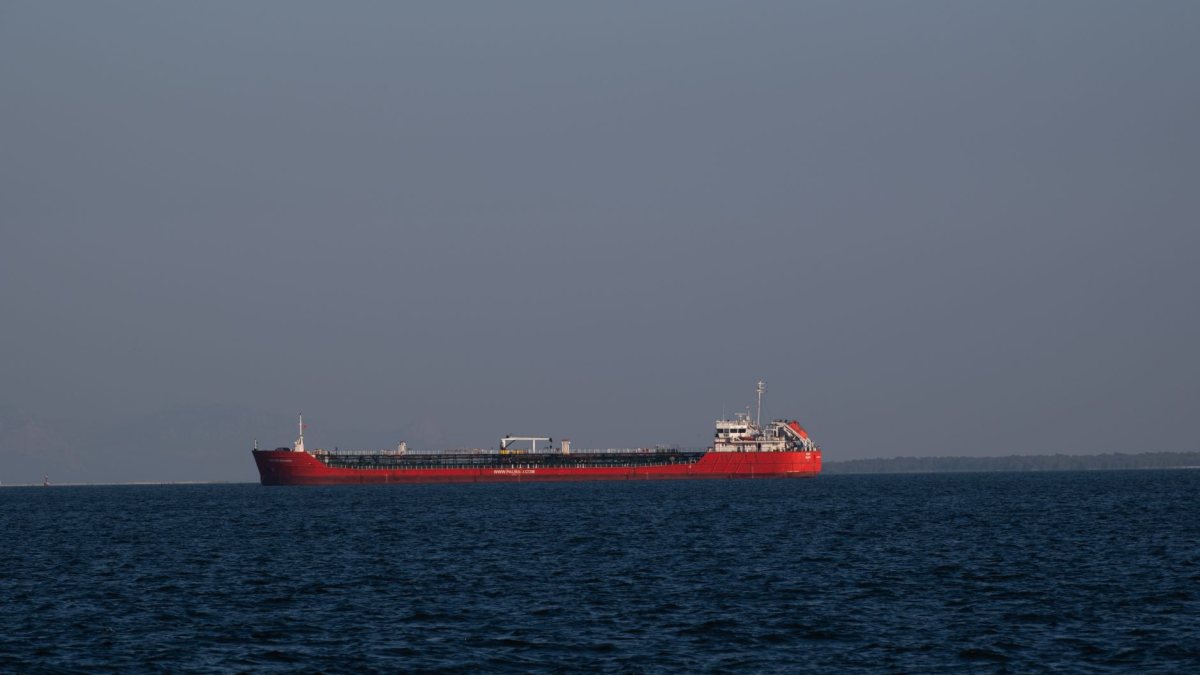
Maritime security concerns escalate across the region as Houthi movements along Yemen's western coast threaten vital Red Sea trade corridors.
Recent territorial movements along Yemen’s western coastline have heightened international concern over the safety of commercial shipping through the southern entrance of the Red Sea. Regional maritime authorities and security monitors report that shifts in control along key coastal positions and strategic maritime vantage points are putting fresh pressure on one of the world’s most critical transit corridors.
For the UAE and the wider Arabian Gulf, where maritime logistics, energy exports, and re-export trade are central pillars of economic activity, the developments underscore persistent vulnerabilities in global supply chains. Commercial vessels navigating toward the Bab el-Mandeb strait now face an increasingly complex security environment that could reshape shipping routes and insurance costs for months to come.
The Bab el-Mandeb strait functions as a narrow maritime gateway connecting the Red Sea to the Gulf of Aden and the broader Indian Ocean. At its narrowest, the passage spans less than thirty kilometres, requiring container ships, crude carriers, and bulk transport vessels to navigate within relatively close range of coastal installations and offshore islands.
A significant portion of global container traffic and substantial volumes of petroleum and refined products transit this waterway en route to the Suez Canal. Any shift in the balance of power along Yemen’s coastal strip directly affects the risk calculus for shipowners, commercial operators, and naval task forces operating in the area.
As a global logistics hub anchored by major ports such as Jebel Ali in Dubai and Khalifa Port in Abu Dhabi, the UAE is closely tied to the reliability of international shipping lanes. Supply chain disruptions in the Red Sea typically trigger cascading effects across regional transport networks:
The evolving situation along the coastline has prompted international naval coalitions to maintain high alert postures throughout the southern Red Sea and the Gulf of Aden. Multinational task forces have historically provided escort services, monitored distress calls, and maintained surveillance over high-risk transit sectors.
However, securing an extensive maritime expanse against asymmetric threats presents persistent operational challenges. Coastal surveillance radar, unmanned surface craft, and missile batteries positioned on mainland heights or offshore perches complicate conventional naval protection efforts, requiring continuous adaptation from maritime security coordinators.
Protracted uncertainty in the waterway has broader macroeconomic ramifications. Importers and retailers across the Middle East and Europe face higher landing costs for consumer goods, electronics, and industrial components. In response, freight forwarders are increasingly looking into multimodal transport alternatives, including sea-to-air cargo transfers through UAE airports and trans-peninsular overland trucking routes connecting Arabian Gulf ports to western destinations.
While land corridors provide partial mitigation for urgent cargo, they cannot entirely replace the immense capacity offered by mega-container vessels transiting maritime chokepoints. As a result, the commercial sector remains highly sensitive to developments along the Yemeni coast.
The Red Sea provides the shortest maritime link between Europe and the Indo-Pacific via the Suez Canal, handling roughly twelve percent of total global trade and substantial shares of seaborne oil and liquefied natural gas shipments.
Major carriers have adopted mixed strategies, including rerouting ships around Africa, implementing maritime security escorts, increasing speeds through vulnerable areas, and levying war-risk surcharges to cover rising insurance premiums.
Logistics operators in the UAE and neighbouring countries often utilise sea-air freight combinations, regional rail links where available, and cross-border trucking corridors to bypass disrupted waters for time-sensitive cargo.
The shifting ground along Yemen’s Red Sea littoral presents a serious, ongoing challenge to freedom of navigation and the stability of global commerce. As long as coastal positions overlooking vital shipping lanes remain contested or under threat, commercial transport will face heightened risks, higher operational costs, and persistent schedule disruptions.
For regional trade hubs like the UAE, monitoring maritime security developments and maintaining flexible, multimodal logistics networks will remain essential to mitigating the wider economic impact of instability in the southern Red Sea.
Reference: This report was compiled from publicly reported information. Original coverage: Al Jazeera.
Photo: Doğan Alpaslan Demir / Pexels




