Physical Address
304 North Cardinal St.
Dorchester Center, MA 02124
Physical Address
304 North Cardinal St.
Dorchester Center, MA 02124

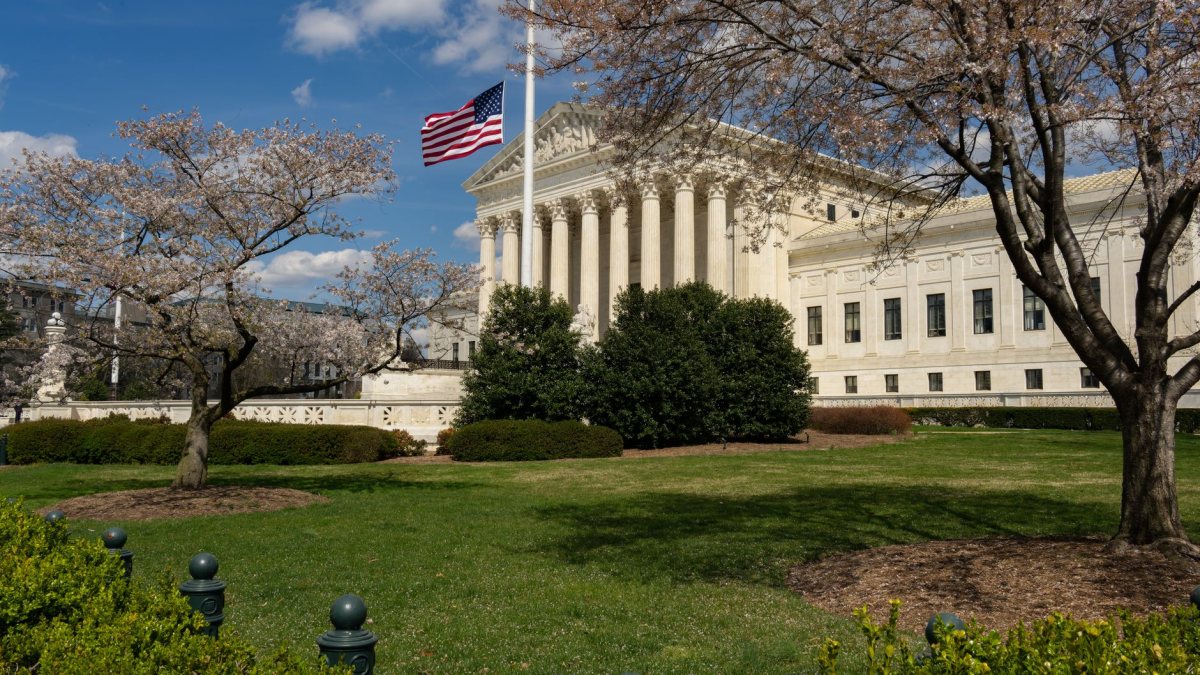
The US Supreme Court has blocked Missouri's attempt to implement a newly drawn congressional map, delivering a setback to Republican efforts.
The Supreme Court of the United States has intervened in a high-stakes legal battle over electoral boundaries, blocking an attempt by Republican officials in Missouri to implement a newly drawn congressional map. The decision represents a significant development in the ongoing national struggle over redistricting, which directly influences the balance of power in the US House of Representatives.
By denying the state’s request to use the contested map for upcoming elections, the nation’s highest court has aligned with lower court rulings that flagged potential constitutional and procedural issues. The move has drawn close attention from political strategists globally, as even minor shifts in individual state delegations can alter the legislative agenda in Washington, affecting international trade, foreign policy, and financial markets relevant to observers in the UAE.
Every ten years, following the national census, US states are required to redraw their congressional district boundaries to reflect population changes. This process, known as redistricting, is highly politicized, as the party in power often attempts to draw boundaries that maximize their chances of winning seats—a practice known as gerrymandering.
In Missouri, the Republican-led legislature sought to implement a map that critics argued unfairly diluted the voting power of specific demographics and political opponents. Legal challenges quickly mounted, leading to a series of state and federal court decisions that culminated in the Supreme Court’s recent intervention.
The Supreme Court’s ruling does not permanently settle the map’s legality but rather maintains the status quo while the broader legal challenges proceed through the lower courts. By blocking the map’s immediate implementation, the court has ensured that upcoming elections will likely be conducted under previously established boundaries or a court-approved interim map.
Legal analysts note that the ruling reflects a cautious approach by the conservative-majority Supreme Court regarding late-stage changes to election rules. The court has previously cited the “Purcell principle,” which counsels federal courts against altering election rules close to an election to avoid voter confusion.
The control of the US House of Representatives is decided by incredibly slim margins. Consequently, redistricting battles in states like Missouri are watched with intense interest by international observers, including government and business leaders in the Gulf region.
A shift of just a few seats can determine which party holds the majority in Congress. This majority dictates:
The legal battle in Missouri has been marked by high drama at the state level. Parallel to the federal case, state courts have clashed with local officials over the administration of the election process. Recently, state judicial authorities held Missouri’s Secretary of State, Denny Hoskins, in contempt of court for failing to comply with specific directives related to the state’s election procedures.
This internal friction highlights the intense pressure on state administrators who are tasked with executing complex election laws under intense partisan scrutiny. It also underscores the robust role that independent judiciaries play in regulating the actions of executive branch officials in the United States.
Redistricting is the redrawing of electoral district boundaries every ten years to ensure equal population representation. It matters because how these lines are drawn can heavily favor one political party over another, directly influencing who wins elections and controls the legislature.
Reference: This report was compiled from publicly reported information. Original coverage: NBC News.
Photo: David Dibert / Pexels




