Physical Address
304 North Cardinal St.
Dorchester Center, MA 02124
Physical Address
304 North Cardinal St.
Dorchester Center, MA 02124

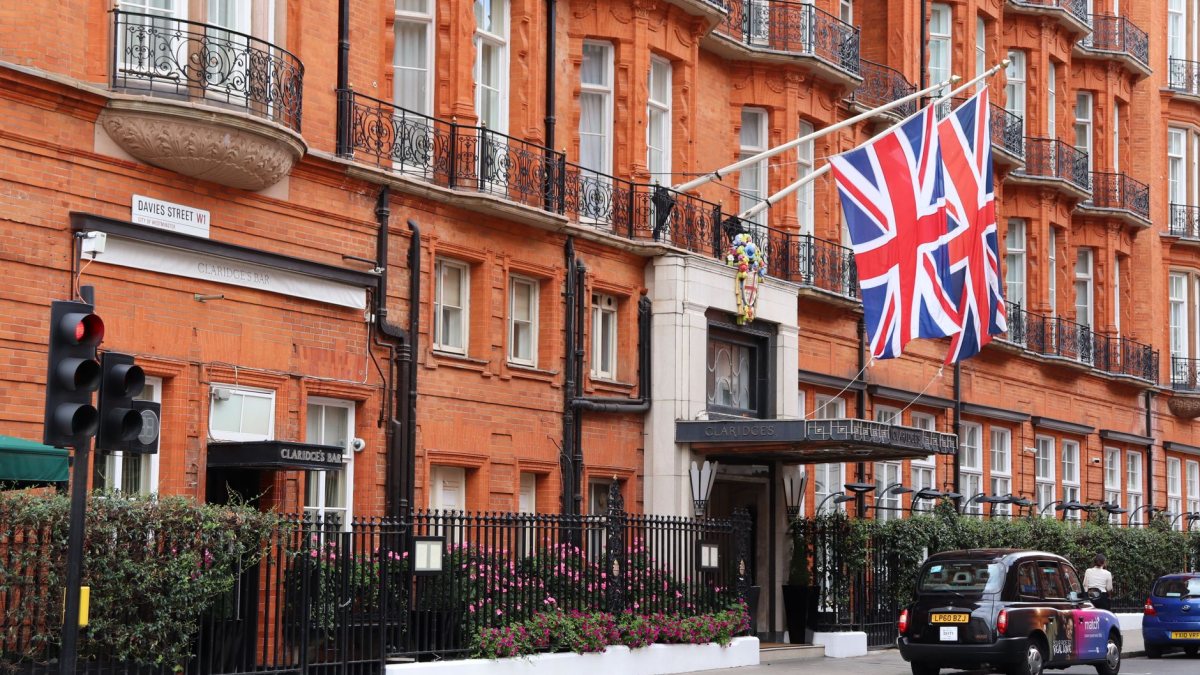
Industry representatives voice deep concern over proposals for a visitor levy, warning it could damage the UK's tourism recovery.
Plans to introduce a visitor levy across major English cities have sparked a significant backlash from the hospitality and tourism sectors. Industry leaders have warned that the proposed measures represent the “wrong tax at the wrong time,” cautioning that additional costs could deter international visitors and harm businesses already struggling with high inflation and rising energy costs.
The debate has intensified following indications that local leaders and government ministers are considering frameworks to allow councils to levy a surcharge on overnight stays. While proponents argue the revenue is essential for funding public services and local infrastructure, critics fear the long-term economic damage could far outweigh the immediate financial gains.
The concept of a tourist tax, or transient occupancy tax, is common in many European capitals, such as Paris, Rome, and Barcelona. However, UK hospitality representatives argue that the British tourism sector already faces a disadvantage due to the standard rate of Value Added Tax (VAT) applied to accommodation and attractions, which is higher than in many competing European destinations.
Local authorities, particularly in metropolitan areas, are facing severe budgetary constraints. For many councils, the ability to levy a small charge on hotel rooms presents an attractive, self-sustaining revenue stream to maintain public spaces, fund cultural events, and manage the impact of high visitor numbers on local infrastructure.
In response to growing concern from the business community, several metro mayors in England have sought to reassure the sector by suggesting limits on any potential levies. Discussions have pointed towards capping the tax at 5% of the room rate, a move intended to prevent excessive charges while still generating meaningful revenue for local authorities.
Despite these proposed safeguards, industry bodies remain unconvinced. They argue that even a capped levy adds administrative complexity for accommodation providers and sends a negative message to potential travellers choosing between the UK and other global destinations.
The hospitality sector has highlighted several key areas where the proposed tax could cause harm:
Typically, when discretionary local taxes are proposed, they undergo a lengthy consultation process involving local businesses, residents, and industry representatives. Legislation would need to be formally drafted and approved, either at a national level to grant powers to local authorities, or through specific local government mechanisms.
Observers suggest that pilot schemes may be introduced in select cities to monitor the economic impact before any wider national rollout is considered. This would allow policymakers to assess whether the revenue generated successfully offsets any decline in visitor numbers.
A visitor levy, often referred to as a tourist tax, is an additional charge added to the cost of overnight accommodation, such as hotels, bed and breakfasts, and short-term holiday rentals.
Proponents suggest the funds would be ring-fenced for local improvements, including tourism marketing, public transport upgrades, street cleaning, and supporting local cultural institutions.
Yes, under current proposals, the levy would apply to anyone staying overnight in commercial accommodation within the designated area, regardless of their nationality or place of residence.
The debate over a UK visitor levy highlights the delicate balance between funding local public services and maintaining a competitive tourism economy. While local authorities view the tax as a necessary tool to manage the pressures of tourism, the hospitality sector fears it could undermine recovery efforts at a critical time.
As discussions between ministers, mayors, and industry representatives continue, the final outcome will likely depend on whether a compromise can be reached that protects businesses while providing councils with the financial support they desperately need.
Reference: This report was compiled from publicly reported information. Original coverage: BBC.
Photo: Sevdefatima / Pexels




