Physical Address
304 North Cardinal St.
Dorchester Center, MA 02124
Physical Address
304 North Cardinal St.
Dorchester Center, MA 02124

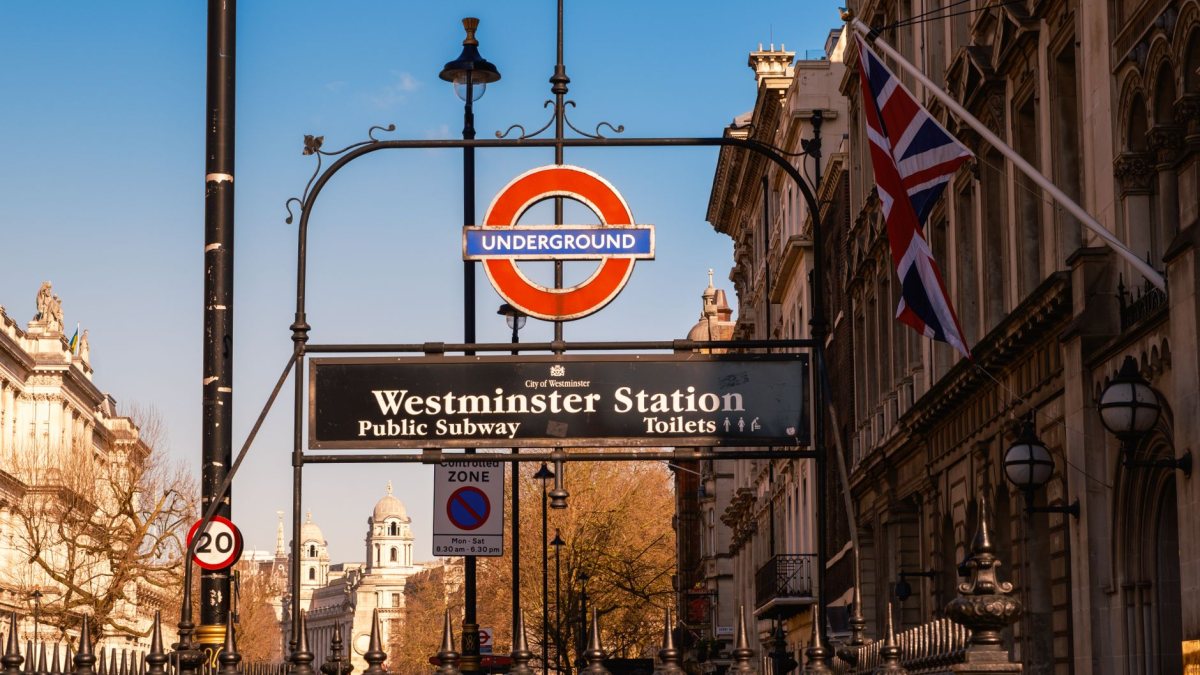
Sadiq Khan has clarified plans for a potential tourist levy in the capital, reassuring the hospitality sector that any new charge would be strictly limited.
The Mayor of London has sought to reassure the capital’s hospitality and retail sectors by announcing that any future tourism tax introduced in the city would be capped at a maximum of five percent. The proposal, which has been a subject of intense debate among policymakers, business owners, and industry bodies, aims to generate dedicated revenue to support municipal services and cultural venues.
Advocates of the levy argue it is a standard practice in major global destinations that helps offset the pressure high visitor numbers place on local infrastructure. However, representatives from the tourism and hospitality sectors have expressed concern that additional charges could deter visitors at a time when businesses are already grappling with rising operational costs.
Under the proposed framework, visitors staying in London’s hotels, short-term lets, and other tourist accommodation would pay a small percentage fee on top of their room rate. By capping this figure at five percent, City Hall aims to strike a balance between raising necessary public funds and maintaining the capital’s competitiveness as a global travel hub.
Supporters point out that London is one of the few major European capitals without some form of tourist levy. Cities such as Paris, Rome, and Barcelona have long imposed overnight visitor fees, using the proceeds to fund public transport, street cleaning, and heritage preservation. The Mayor’s office suggests that a similar model in London could provide a reliable stream of funding dedicated strictly to improving the visitor experience.
Despite the proposed cap, the hospitality sector remains cautious. Representatives from hotels and restaurants argue that the cumulative impact of VAT, business rates, and inflation already places a heavy burden on London’s service industry. There are fears that even a modest surcharge could influence budget-conscious travellers to shorten their stays or choose alternative destinations.
Business groups have called for guarantees that any funds raised through the tax would be directly reinvested into the tourism ecosystem, rather than being absorbed into general municipal budgets. They argue that transparency in how the revenue is allocated is crucial to securing industry backing.
Tourist taxes are increasingly common worldwide, with destinations adopting various models to manage the financial impact of tourism. Some of the most common approaches include:
For a tourism tax to become a reality in London, legislative changes are required at the national level. Currently, local authorities in England do not possess the statutory powers to implement such levies independently. This means the Mayor and local councils must lobby the central government to grant the necessary devolution of fiscal powers.
While some regional cities, such as Manchester, have successfully introduced a form of visitor charge through voluntary business improvement districts, a comprehensive, legally binding tax across Greater London would require parliamentary approval. Consequently, any implementation is unlikely to be immediate, allowing time for further consultation and impact assessments.
Yes, typically tourist levies apply to all overnight guests staying in commercial accommodation within the designated zone, regardless of their nationality or country of residence.
In most international cities, the fee is added directly to the accommodation bill at the point of checkout, with the lodging provider responsible for transferring the collected funds to the local authority.
No, the current proposals focus exclusively on overnight stays in hotels, hostels, and short-term holiday rentals, meaning those visiting the capital just for the day would not be charged.
The decision to cap the proposed London tourism tax at five percent represents an attempt to find a middle ground between raising vital public revenue and protecting the capital’s vital tourism economy. While the hospitality sector remains wary of any measures that could increase costs for visitors, the move aligns London with standard practices in many of the world’s other leading tourist destinations.
Ultimately, the future of the levy rests on central government approval. Until Westminster decides to grant London the necessary powers to implement the tax, the proposal remains a blueprint for future municipal funding rather than an imminent change for travellers.
Reference: This report was compiled from publicly reported information. Original coverage: bbc.co.uk.
Photo: Shamba Datta / Pexels




