Physical Address
304 North Cardinal St.
Dorchester Center, MA 02124
Physical Address
304 North Cardinal St.
Dorchester Center, MA 02124

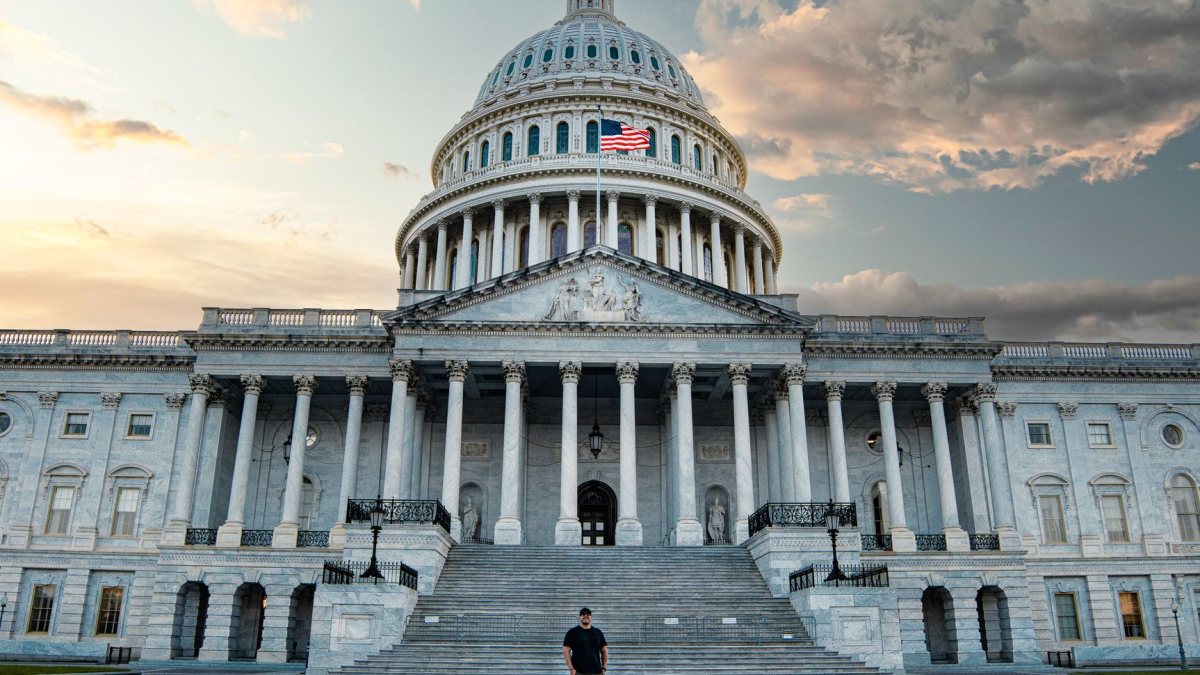
Donald Trump's promise of a $5,000 payout to all American adults if Republicans win the midterms has sparked intense debate over its economic and political viability.
With the midterm elections rapidly approaching, former President Donald Trump has injected a controversial new economic proposal into the national conversation. Speaking at a major Republican gathering, Trump urged voters to treat the upcoming legislative elections as a referendum on his own leadership, introducing a sweeping financial promise designed to galvanize the conservative base and attract undecided voters.
The centerpiece of his pitch is a proposed federal “dividend” that would distribute $5,000 to every American adult if the Republican Party secures majorities in both chambers of Congress. While the announcement has energized loyal supporters, it has also triggered immediate skepticism from economists, policy analysts, and lawmakers on both sides of the political aisle who question the feasibility of such a massive cash transfer.
Under the plan outlined by the former president, the federal government would issue a one-time direct payment of $5,000 to every adult citizen. Trump framed the initiative as a way to return surplus government revenue directly to the taxpayers, calling it a dividend for the country’s economic success. The total cost of the program is estimated to exceed $1 trillion, a figure that would significantly impact the federal budget.
To fund the initiative, Trump suggested utilizing revenue from tariffs and domestic energy production. However, fiscal policy experts have quickly pointed out that current revenues from these sources fall far short of the trillions of dollars required to fund a universal payout of this scale, suggesting that the plan would likely require significant federal borrowing.
The proposal has met with swift resistance from across the political spectrum. Democrats were quick to dismiss the plan as an unsustainable political stunt, arguing that it would drastically increase the national debt and worsen inflationary pressures that have already strained household budgets. They also questioned the legality of using federal funds in such a manner without extensive congressional authorization.
Perhaps more challenging for Trump is the quiet skepticism emerging from within his own party. Several fiscal conservatives in Congress have expressed deep reservations about the plan’s price tag. These lawmakers, who have spent years campaigning against rising federal spending and national debt, find themselves in a difficult position as they attempt to balance loyalty to the party’s de facto leader with their traditional policy stances.
Mainstream economists have raised several red flags regarding the potential consequences of injecting more than $1 trillion of direct liquidity into the consumer market. Many argue that a sudden cash infusion of this magnitude would counteract the Federal Reserve’s ongoing efforts to stabilize prices.
Political analysts view the proposal as a calculated attempt by Trump to shift the focus of the midterm campaigns toward direct economic benefits. By framing the election around a tangible financial reward, the former president hopes to boost voter turnout among key demographics, particularly working-class voters who have been hit hardest by the rising cost of living.
Additionally, the strategy allows Trump to maintain his position at the center of the Republican platform, even as he does not appear on the ballot himself. By urging voters to “pretend that I am running,” he is testing his ability to influence local congressional races through nationalized, high-profile policy debates.
The proposal suggests using revenues from federal tariffs and expanded domestic energy leases. However, economic analysts estimate these sources would not generate enough revenue, meaning the plan would likely rely on significant federal borrowing.
Yes. Any federal spending of this magnitude requires authorization and appropriation from Congress. Even if Republicans win majorities in both chambers, the plan would face significant legislative hurdles and potential filibusters.
Reference: This report was compiled from publicly reported information. Original coverage: The New York Times.
Photo: Edgar Arroyo / Pexels




